
What You Need to Know
South Korea’s military is embarking on a revolutionary plan to train all 500,000 soldiers to deploy drones as effortlessly as they would handle a personal firearm. This initiative is a response to the ongoing military standoff with North Korea, where a technological advantage could prove crucial. Defense Minister Ahn Gyu-back highlighted the ambition to make drones a universal combat tool, reflecting a shift in modern warfare strategies.

” alt=”Drone training South Korea”>
The South Korean government is not only focusing on training but also plans to equip military units with a significant number of drones. By 2029, the military aims to have 60,000 drones available for surveillance and strike missions. This approach aligns with global trends where nations are looking at drone warfare, particularly influenced by recent conflicts in Ukraine and the Middle East, to reform their military tactics.
However, significant obstacles remain. Declining birth rates in South Korea have led to a shrinking pool of conscripts, making it challenging to maintain a robust military force. The issue is compounded by the necessity for domestically sourced drones, avoiding Chinese components, which adds complexity to the procurement process and timelines.
The Full Story
The idea of training every soldier to be a drone operator is a bold reflection of the shifting landscape of warfare. With North Korea’s military strength vastly outnumbering South Korea’s, this initiative embodies a strategic pivot where technology could bridge the gap. Historically, the Korean Peninsula has been a hotspot for military tension, and maintaining a technological edge is paramount for national security in this volatile region.
As the world witnesses the transformative power of drones on battlefields, South Korea’s military reforms echo a broader recognition of how essential unmanned systems have become. The Ukrainian conflict has showcased drones as force multipliers, inspiring countries like South Korea to adopt similar strategies. This reflects a global acknowledgment that traditional military strengths must evolve to address more sophisticated threats.
While the initiative is ambitious, it also brings to light the difficulties of mobilizing a tech-savvy military in a shrinking conscript environment. The South Korean military’s reliance on a predominantly male conscripted force, alongside gender restrictions in service, presents hurdles that could hinder the implementation of this bold vision.
What Changes Now?
The South Korean military’s commitment to training all personnel in drone operations signifies a monumental shift in military doctrine. This move not only enhances combat capabilities but also encourages a cultural change within the military, where technology becomes an integral part of soldier identity.
- Integration of Drone Technology: By investing in drone training, South Korea acknowledges the importance of integrating advanced technology into military operations. This could lead to a more agile and quick-reacting force that is less reliant on traditional combat methods, offering a modernized approach to defense.
- Focus on Domestic Production: The push to develop domestically produced drones marks a significant shift in South Korea’s defense strategy. Ensuring that military equipment is free from foreign components enhances security and promotes local industry, fostering innovation and self-sufficiency in defense capabilities.
- Adapting to Demographics: The plan represents an adaptation to the demographic challenges faced by South Korea, where a declining birthrate poses a risk to military readiness. Emphasizing technology over sheer manpower may pave the way for a more sustainable military strategy that can operate effectively with fewer soldiers.
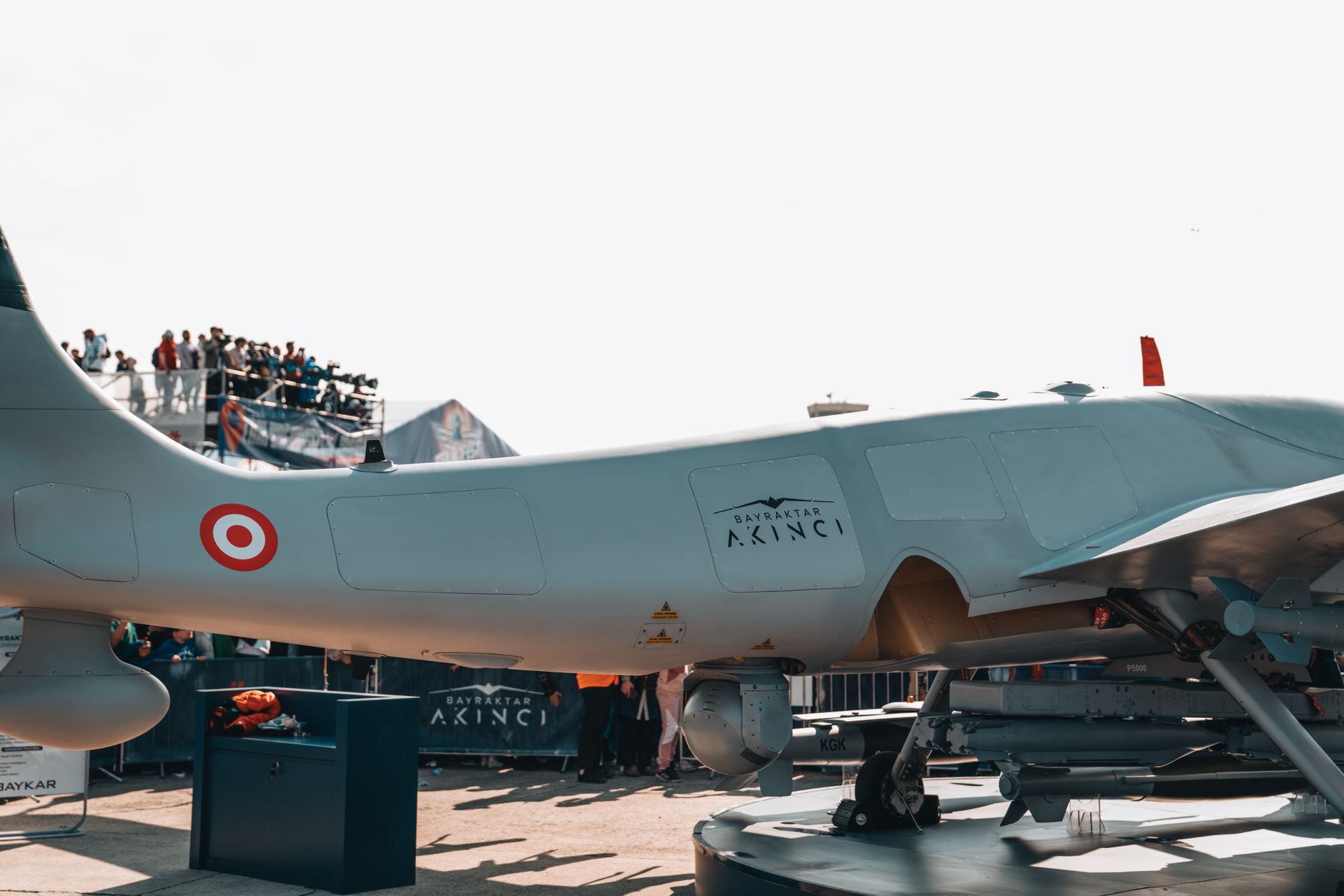
” alt=”South Korean military drone operation”>
Final Word
As South Korea embarks on this remarkable journey to create a legion of drone warriors, the stakes are higher than ever. This initiative is not merely about technology; it embodies a strategic shift in mindset, one that recognizes the need for agility and innovation in a rapidly changing world. In facing an unwavering threat from the North, South Korea is leaning into the future of warfare, where technology is not just a tool, but a vital partner in ensuring national security.
The path ahead is fraught with challenges, but the resolve to adapt could very well redefine the Korean military landscape. The question remains whether this ambitious project can overcome demographic hurdles and resource limitations, but one thing is clear: the age of the drone is here, and South Korea is determined to lead the charge.
📰 Source: Read original article | Editorially rewritten and analysed by BuzzWeave.