
The Big Picture
Amidst the backdrop of political and economic turmoil, Venezuela has faced yet another disaster that compounds its struggles. Years of severe hyperinflation and governmental mismanagement had already stretched resources thin, leaving the population vulnerable to any shock. Now, with the earth shaking beneath their feet, the reality is more dire than ever, revealing just how fragile the fabric of society has become in this South American nation. The earthquakes, which occurred just days apart, struck primarily in the coastal region of La Guaira, an area already grappling with basic supply shortages. As buildings crumbled and infrastructure was rendered useless, the plight of those living in this beleaguered country became painfully visible. International aid is now pouring in, but the road to recovery will be long and treacherous, requiring not just physical rebuilding, but also a restoration of hope and community. With power slowly being restored in some regions, the stark contrast of darkness and light becomes a symbol of the dual realities faced by Venezuelans. While some may have access to electricity, countless others remain without basic necessities like food, clean water, and medical supplies. The struggle for survival amidst the chaos has never been more pronounced, and the resilience of the human spirit is put to the test in ways few can imagine.
Breaking It Down
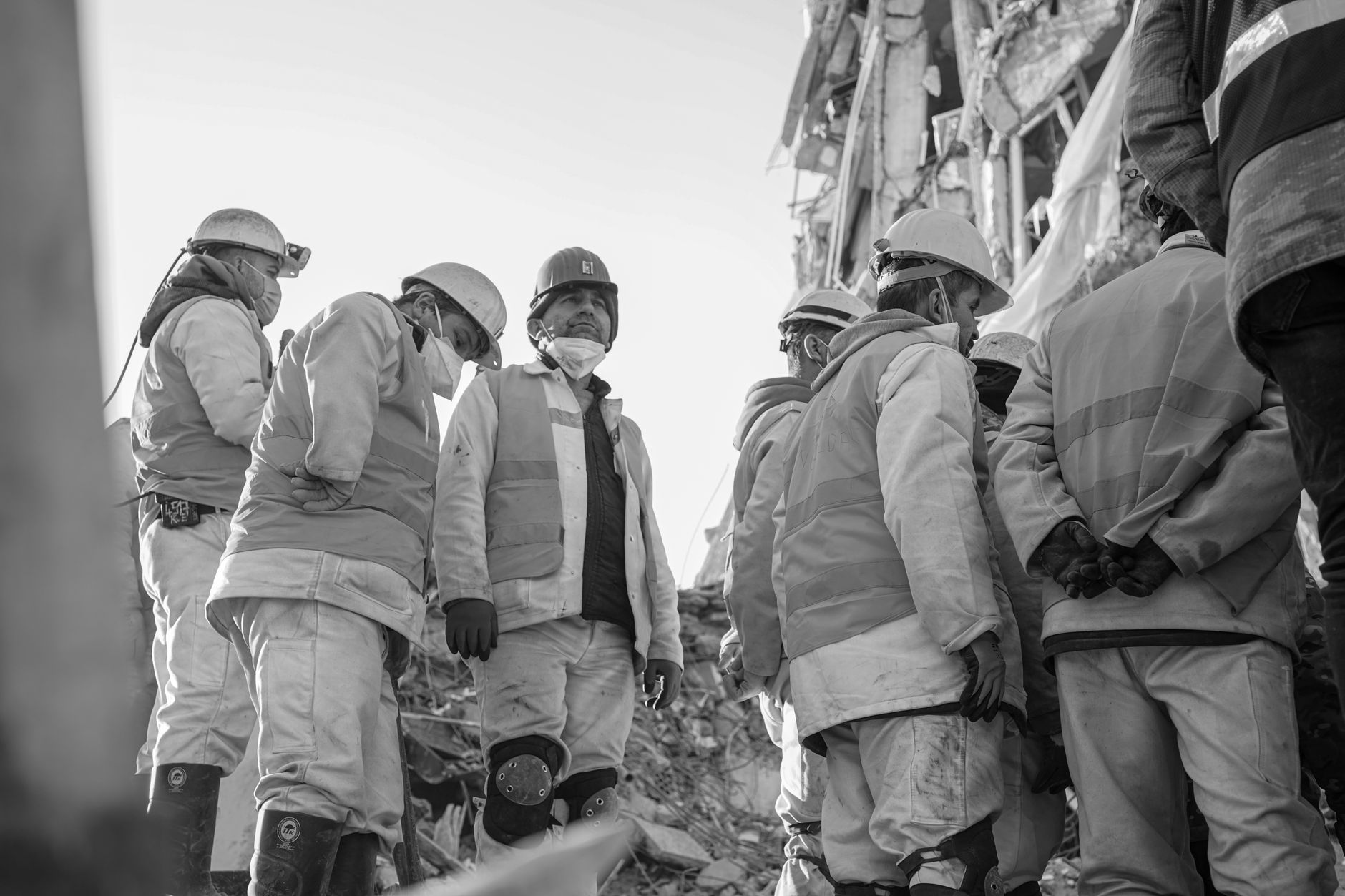
On October 12 and again on the 14th, Venezuela was rocked by twin quakes measuring 7.2 and 6.9 on the Richter scale, respectively. The destruction was swift and merciless, taking a heavy toll on both urban and rural areas. As rescue efforts unfolded, the tragic reality became clear: over 54,000 people were reported missing by opposition sources, with government officials confirming hundreds unaccounted for. Emergency services and international aid groups scrambled to respond to the disaster, yet the challenges remained immense. Many roads were blocked, complicating efforts to reach those in need. In La Guaira, entire neighborhoods lay in ruins, with families picking through the rubble for any signs of survival amid the chaos. As the dust began to settle, the extent of the injuries and homelessness emerged with heartbreaking clarity. Thousands were left injured or displaced, finding refuge in makeshift shelters. The lack of food, water, and medical supplies created a perfect storm of despair, as communities banded together or struggled in isolation amidst the ruins of their lives.
Who Is Affected?
The impact of these earthquakes extends far beyond the immediate loss of life; it reverberates through the very fabric of Venezuelan society. Families are torn apart, communities are disrupted, and the emotional toll will echo for years to come. As the nation faces the daunting task of recovery, certain groups stand out as particularly vulnerable.
- Families of the deceased: With over 1,400 lives claimed, many families are left in mourning, grappling with the loss of loved ones. The emotional and psychological scars will take time to heal, compounded by the economic hardships they now face without their primary breadwinners.
- Displaced individuals: Thousands are now homeless, forced to live in uncertain conditions. These individuals face dire shortages of food and clean water, as emergency responses struggle to keep pace with the overwhelming need.
- First responders and volunteers: The brave souls risking their own safety to rescue others are also feeling the strain. Tired and overwhelmed, they are operating under extreme pressure, often without adequate supplies or support, as they work tirelessly to save lives.

Our Take
In the wake of this tragedy, it is crucial to remember that the resilience of the Venezuelan people will be tested like never before. The current humanitarian crisis is not just a result of natural disaster, but a culmination of years of systemic failures that have left the country ill-prepared for such events. It is vital that the international community responds not only with immediate aid but also with long-term strategies to stabilize and support Venezuela in its recovery efforts. As we watch the unfolding situation, our attention must turn to the transparency of aid distribution and the effectiveness of rescue operations. The Venezuelan government faces mounting pressure to ensure that assistance reaches those who need it most, rather than becoming mired in bureaucratic red tape or political agendas. The road to recovery is fraught with challenges, but it is also an opportunity for change and rebuilding. Ultimately, this is a moment that demands compassion, collaboration, and a commitment to rebuilding a nation. Venezuela’s earthquakes may have shaken the land, but it is the human spirit that will determine how they rise from the ashes. We must stand in solidarity with those affected and advocate for a future where the people of Venezuela can reclaim their dignity and strength in a time of immense need.
📰 Source: Read original article | Editorially rewritten and analysed by BuzzWeave.