
What Happened?
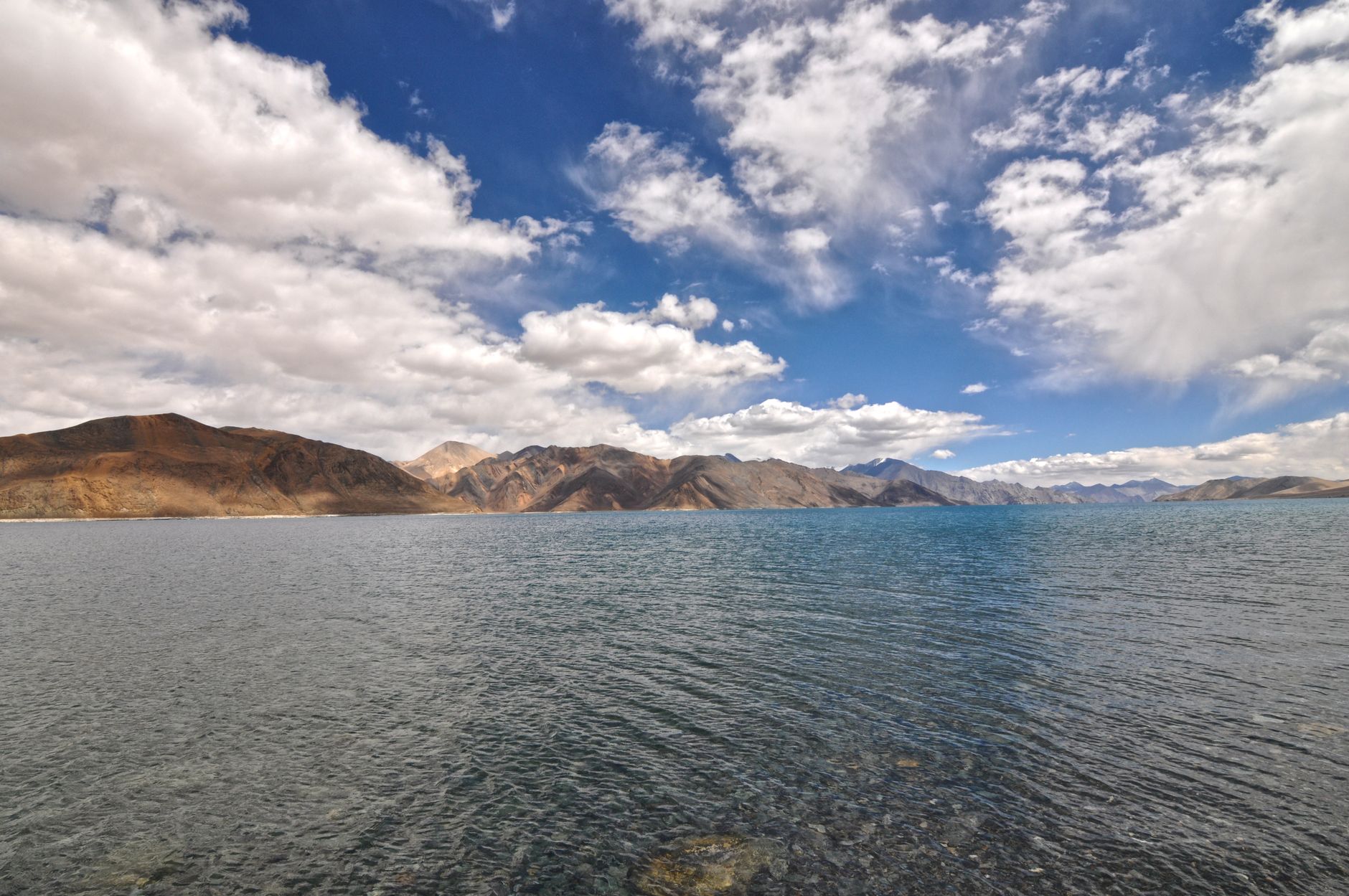
The administration of Ladakh has embarked on a stringent enforcement campaign against tourists who illegally off-road in protected areas, notably around the pristine Pangong Lake. In a recent operation, four individuals were penalized a staggering total of Rs 2 lakh for their transgressions, highlighting a zero-tolerance approach toward violations of the Wildlife Protection Act. One particularly shocking incident involved a tourist being caught in the act of chasing a Tibetan gazelle, a species already under threat due to habitat loss and climate change. Authorities swiftly impounded the vehicles involved, which underscores the serious implications of such reckless behavior not just for wildlife, but also for the broader ecological balance in fragile regions like Ladakh. These actions come as part of a wider strategy aimed at safeguarding the area’s unique biodiversity, which is increasingly at risk from the booming tourist industry. With visitor numbers rising each year, the region’s delicate environment is under unprecedented pressure, prompting the need for immediate and robust action. This crackdown is also a clear message to both tourists and locals alike: illegal activities in national parks and wildlife sanctuaries will not be tolerated. As traveling becomes more accessible, the threat to these pristine environments increases, making the role of local administrations crucial in enforcing protective measures. Ladakh’s commitment to preserving its natural heritage may serve as a blueprint for other tourist-heavy regions facing similar challenges.
Why It Matters
The enforcement of wildlife protection laws like those seen in Ladakh is a growing trend observed globally, as more destinations grapple with ecological degradation caused by tourism. The situation illustrates the fine line between economic benefits derived from tourism and the imperative to protect vulnerable ecosystems. The recent actions in Ladakh reflect a broader movement towards sustainable tourism practices that prioritize environmental conservation and ethical wildlife interactions. Notably, as regions like Ladakh declare war on illegal off-roading, their experiences could inform best practices in other parts of the world. Increased awareness among travelers about their impact on natural habitats is crucial in fostering responsible tourism. The emphasis on protecting endangered species also fits into a larger narrative of global conservation efforts, with organizations and governments collaborating to safeguard biodiversity against rapid human encroachment. As tourists become more environmentally conscious, the demand for responsible travel options is likely to grow. This signifies a shift in consumer behavior where travelers are not only seeking pristine landscapes but also ensuring their activities do not contribute to harm. Such a transformation in the tourism sector can catalyze positive changes in local policies and further enhance conservation efforts globally.
Impact on Consumers
For travelers, Ladakh’s recent actions serve as a wake-up call about the implications of their activities on vulnerable ecosystems. Tourists must recognize that their enjoyment of natural beauty comes with responsibilities. Compliance with local regulations is not only essential for conservation but also enhances the experience by ensuring the preservation of these extraordinary landscapes for future generations.
- Understanding the regulations: Tourists should familiarize themselves with local laws before traveling to protected areas. Ignorance is no excuse, and penalties can be severe, including hefty fines or vehicle impoundments, as seen in Ladakh.
- Choosing responsible tour operators: Consumers should prioritize companies that advocate for sustainable practices. Responsible operators contribute to conservation efforts and support local communities, ensuring that tourism benefits everyone involved.
- Participating in conservation efforts: Tourists can engage in initiatives that protect wildlife and their habitats. This could involve participating in guided eco-tours or supporting organizations that focus on wildlife protection, creating a positive impact during their travels.
BuzzWeave Analysis
The recent actions taken by Ladakh’s administration may signal the beginning of a larger movement toward stricter regulations across tourist hotspots worldwide. As the conversation around sustainable tourism continues to evolve, we can expect to see more regions adopting similar measures to protect their natural resources. This shift might challenge the traditional notion that tourism should always be accessible and unrestricted. One assumption that could be challenged is the belief that increasing tourism always equates to economic growth. In fact, if unregulated, it can lead to long-term ecological and economic damage that ultimately diminishes the very resources that attract tourists. This growing awareness could push travelers to prefer destinations that prioritize sustainability, creating a new standard that destinations must meet. As we move forward, the actions in Ladakh could inspire a paradigm shift, encouraging both tourists and local communities to work together in preserving the environment. In a world where nature is increasingly facing threats, the call for balance and respect for our ecosystems has never been more urgent. The preservation of our planet’s natural wonders may very well depend on the choices we make today.
📰 Source: Read original article | Editorially rewritten and analysed by BuzzWeave.