

What Happened?
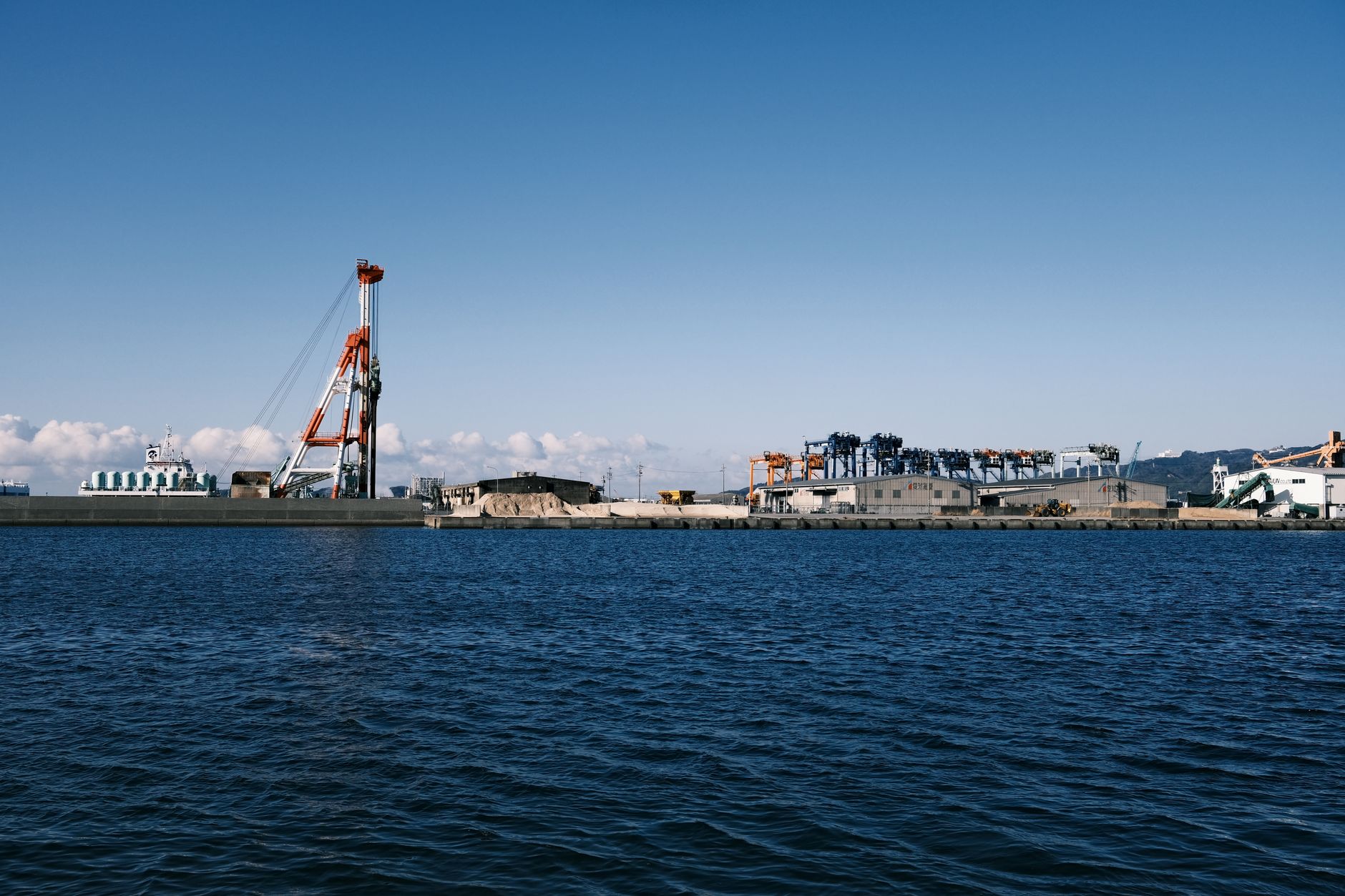
China has officially placed 20 Japanese entities, including key divisions of Mitsubishi Corporation, on a restrictive control list. This means that not only Chinese companies but also foreign exporters are barred from selling dual-use items produced in China to these Japanese firms. The designation comes amid a backdrop of intensifying political and economic disputes between China and Japan, particularly regarding technology and security issues. The implications of these controls raise eyebrows across the global trade landscape, as Japan is a significant player in technology and manufacturing. Japan’s vulnerability in this scenario is palpable, as companies that rely on Chinese exports for critical components now face interruptions that could derail their operations. The list is a direct response to Japan’s own restrictions on semiconductor exports to China, amplifying the ongoing tit-for-tat between these two economic giants. Analysts are bracing for what this could mean for supply chains that crisscross the East Asian region, as tensions simmer and industries brace for potential fallout.
Why It Matters
This development underscores a broader shift in global trade dynamics, where nations are increasingly adopting protectionist stances over cooperation. As China asserts its influence through stringent export controls, the implications ripple far beyond Japan’s borders. The balance of power in the Asia-Pacific region is at stake, with other nations watching closely to gauge how these tensions will redefine alliances and economic strategies. Moreover, this episode reflects a disturbing trend in the technological arms race, where dual-use technologies—those that can be used for both civilian and military purposes—are becoming battlegrounds for national pride and security. The stakes are high, not only for the entities directly involved but also for international markets that depend on a stable flow of goods and innovations. The rise of militarized trade policies will likely spur an era of fragmentation, where each nation looks inward rather than outward to meet its technological needs. The geopolitical chess game that pits the U.S., China, and Japan against one another is increasingly complex. As countries reevaluate their dependencies, we may see a reshaping of global alliances that could redefine trade routes and economic collaborations for years to come. The question remains: how will countries adapt to this new reality, and who will emerge as the ultimate victor in this high-stakes game?
Impact on Consumers
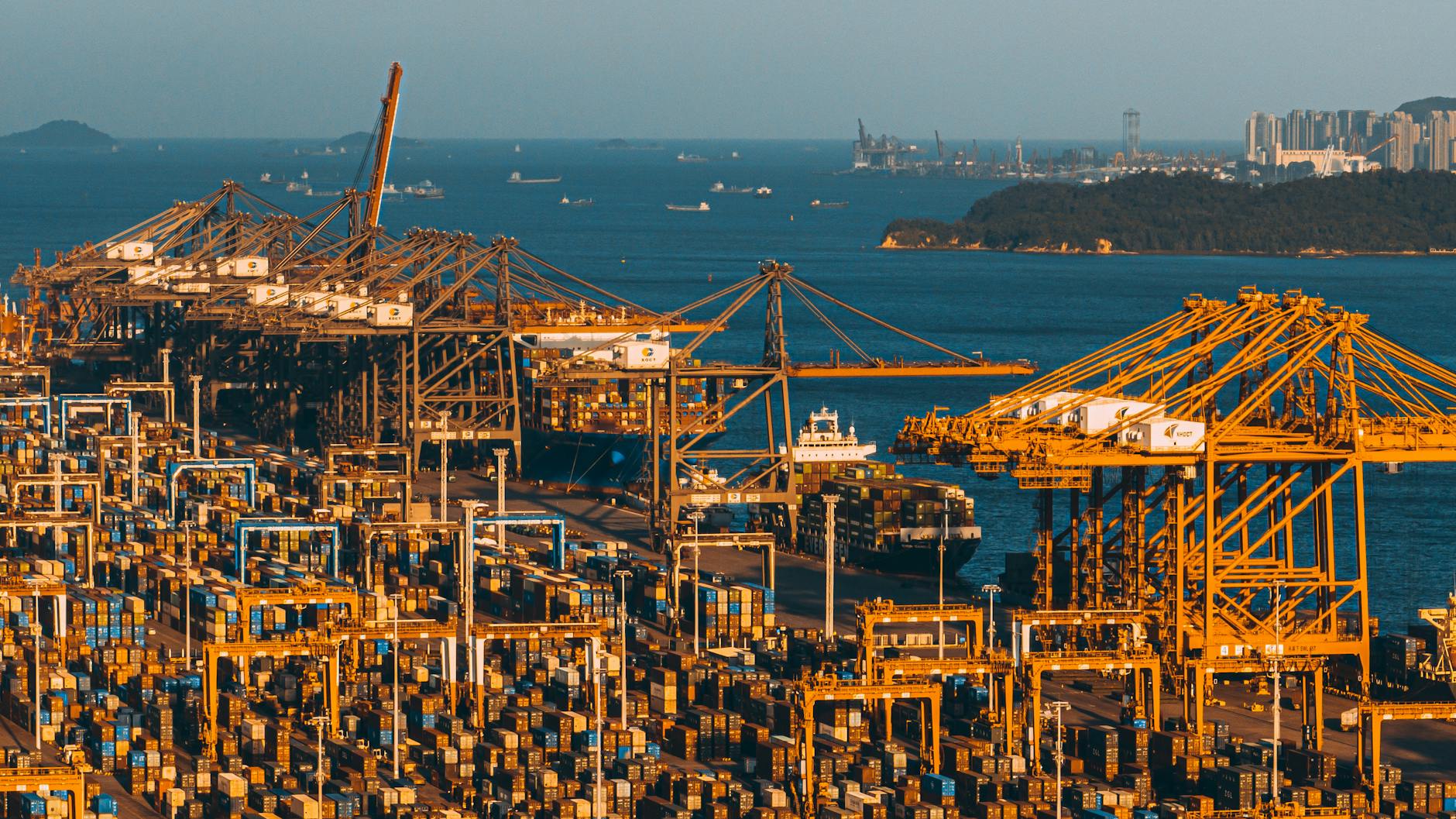
Consumers may soon feel the pinch of these geopolitical tensions as the supply chains that deliver everything from electronics to automobiles face disruptions. If Japanese companies cannot receive critical components from China, the ripple effect will be felt in the products that consumers rely on daily. Prices may rise, availability could plummet, and the variety of goods may diminish as companies struggle to adapt to a fragmented supply landscape. As companies scramble to replace lost supplies, we might see a shift in consumer habits and preferences. This could lead to increased demand for domestic products or alternatives from other countries, potentially reshaping the marketplace.
- **Price Increases:** Expect a rise in prices, particularly for tech products, as Japanese firms may pass on additional costs stemming from supply chain disruptions. The technology sector, known for its razor-thin margins, is especially vulnerable and may struggle to absorb these hikes without impacting consumers directly.
- **Availability Issues:** With stricter export controls in place, consumers could face shortages of popular electronic goods and components. This could lead to longer wait times for purchases, driving some buyers to explore less popular brands or subpar alternatives.
- **Market Shift:** As Japanese manufacturers pivot to alternative suppliers, we might witness a notable shift in brand loyalty among consumers. Those who once preferred Japanese products may start looking at options offered by other nations, which could permanently alter the competitive landscape.
BuzzWeave Analysis
The current export controls signal a pivotal moment in Chinese-Japanese relations that could very well lead us into a prolonged period of economic estrangement. By elevating trade barriers, both countries are locking themselves into a cycle of retaliation that further entrench differences rather than resolve them. It’s a dangerous game of chicken, where economic repercussions may outweigh political posturing. As the global marketplace watches, one cannot help but question if the repercussions of this trade war extend beyond immediate economic impacts. What if Japan’s reliance on foreign components leads to an accelerated push for self-sufficiency in manufacturing? This could catalyze a new wave of innovation that challenges the very foundations of current tech hegemony, reshaping the landscape in ways we can barely imagine today. In a world where technology is at the forefront of national power, this is not merely about trade; it’s a reflection of national identity and resilience. Buckle up; the geopolitical arena is heating up, and the consequences will be felt long after the dust settles.
📰 Source: Read original article | Editorially rewritten and analysed by BuzzWeave.
Related posts:
 1,250 hp hybrid Corvette shatters the Pikes Peak production record
 Outrage in Rajasthan: 13-Year-Old Victim of Gang Rape, 10 Arrested
 Understanding Anthropic’s Government Showdown: Key Insights
 India’s Engine Wars: Safran vs Rolls-Royce in Fighter Jet Battle
 Skin Streaming: The Power of Simple Skincare Routines
 Venezuela’s Earthquake Crisis: The Human Cost of Natural Disasters