

The Big Picture
In recent years, the landscape of education has been undergoing a notable transformation. While single-gender schools have their historical roots, the contemporary educational environment is increasingly leaning towards co-educational models. This trend can be attributed to several factors, including societal changes emphasizing gender equality, the need for social development, and the recognition that diverse classrooms foster richer educational experiences. Parents are becoming more deliberate about their children’s educational settings, often expressing a preference for co-educational institutions. They believe that mixed-gender classrooms better prepare children for real-world interactions, where collaboration and understanding across genders are essential. Additionally, as more studies highlight the benefits of co-education, such as improved academic performance and better social skills, educational institutions are reevaluating their traditional models. The shrinking pool of enrolment in single-gender schools is compelling many of these institutions to adapt or risk closing their doors. With competition for students at an all-time high, making the switch to co-education is a strategic move to attract a larger, more diverse student body. This shift also aligns with a broader push for inclusivity, reflecting changes in societal attitudes towards gender roles and education.
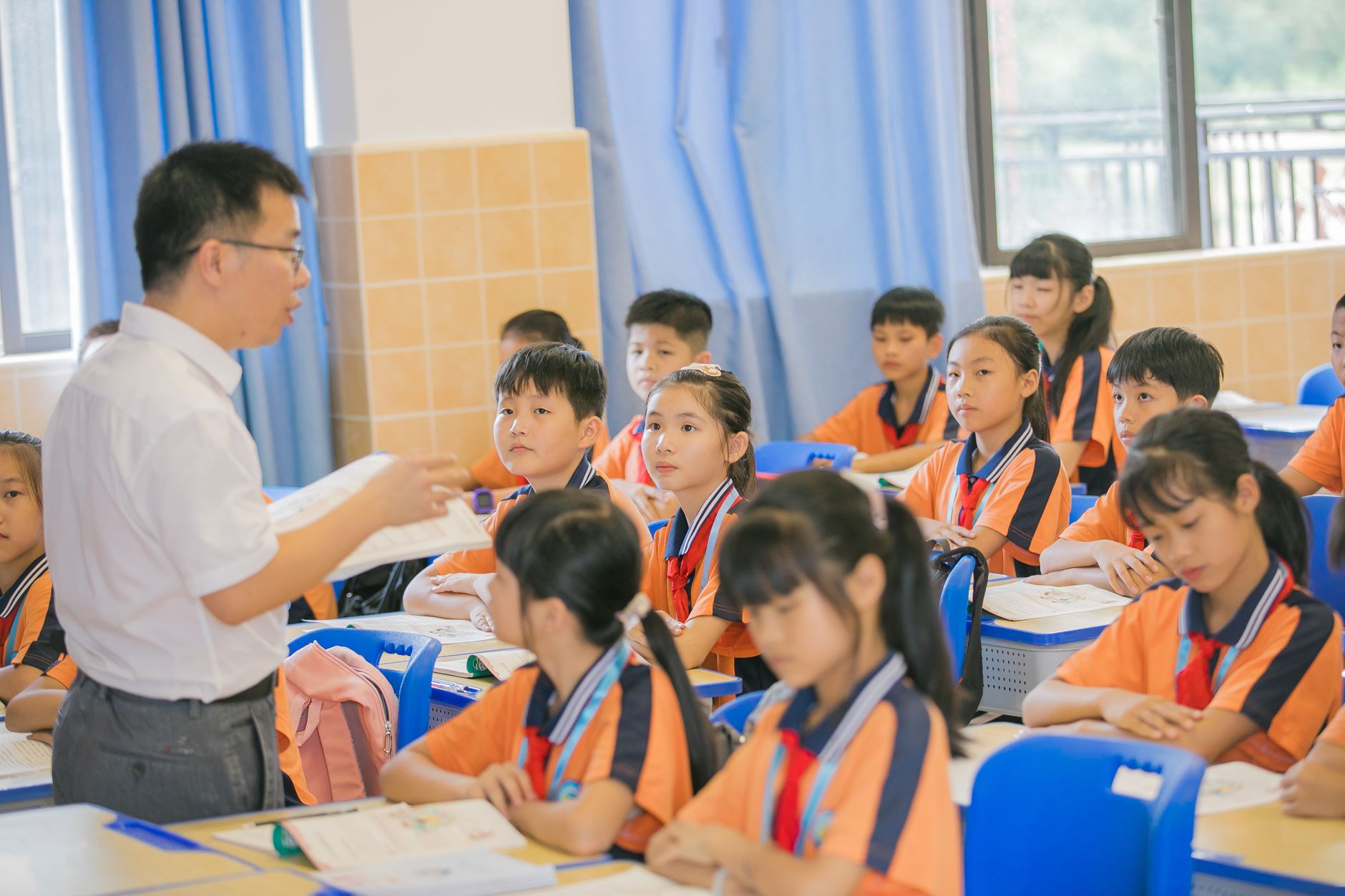
Breaking It Down
The movement towards co-education gained momentum in the early 2000s as parents began to advocate for more inclusive educational experiences. A notable example occurred in 2014 when a prestigious all-boys school announced it would become co-educational starting in 2016. This decision was based on both declining numbers and a desire to provide a more comprehensive educational experience. Several studies have revealed that students in co-educational settings tend to perform better academically, as they engage with a wider range of perspectives and ideas. By 2020, an estimated 75% of new educational institutions being established worldwide adopted co-educational formats, indicating a significant shift in pedagogical philosophy. Schools that were once resistant to change have started to remodel their curricula and teaching methods, emphasizing collaboration among genders. Institutions are also noting the benefits of co-education in terms of broader cultural and social skill development. Students emerging from mixed-gender classrooms tend to have improved interpersonal skills and a deeper understanding of gender dynamics, which are increasingly important in today’s workforce. As this trend continues, we can expect the educational landscape to evolve further towards inclusivity and collaboration.
Who Is Affected?
The impact of this transition is felt across various demographics, from the students who are now experiencing a more comprehensive education, to educators adapting their teaching methods. Parents are also significantly influenced, as they see more options and greater potential for their children’s social and emotional growth. The shift towards co-education is not just a trend; it represents a fundamental change in how society views education and gender roles.
- Students: Children in co-educational settings benefit from learning alongside peers of different genders, which helps them develop crucial social skills. They are more likely to collaborate and communicate effectively, skills that are essential in a diverse workplace.
- Educators: Teachers are challenged to adapt their teaching styles and curricula to accommodate mixed-gender classrooms. This often leads to innovative teaching methods that engage all students, fostering a dynamic learning environment.
- Parents: Many parents are choosing co-educational schools for their children, believing these environments promote equality and understanding. They appreciate that these institutions often better prepare children for the realities of modern society, where gender dynamics are increasingly important.

Our Take
The movement towards co-education signals a promising shift in educational philosophy, aligning with broader societal trends that advocate for equality and inclusivity. As more institutions recognize the benefits of a co-educational approach, we expect to see a ripple effect across educational systems worldwide. This transformation not only addresses declining enrolment but also prepares students for a more interconnected world. It will be interesting to observe how educational policies evolve in response to this trend. Will we see a uniform approach, or will differences emerge based on cultural contexts? The answers could shape the future of education as we know it, particularly in regions where single-gender schools have been the norm. Ultimately, the move towards co-education is more than just a change in structure; it’s a reflection of our society’s evolving understanding of gender and education. As we continue to navigate these changes, one thing is clear: an inclusive future in education is not just beneficial; it’s essential for preparing our children for the complexities of the world ahead.
📰 Source: Read original article | Editorially rewritten and analysed by BuzzWeave.
Related posts:
 Microsoft Extends Windows 10 Support: A Necessity or Desperation?
 Escalating Tensions: U.S. and Iran Exchange Threats Amid Hostilities
 Trump’s Ambitious Qatar Talks with Iran: What to Expect
 Jordan vs. Argentina: A Clash of Hopes and Realities in World Cup 2026
 Tragedy in Beijing: Pilot’s Fatal Crash into Skyscraper
 Karachi Attack: Paramilitary Headquarters Stormed, Lives Lost