
What You Need to Know
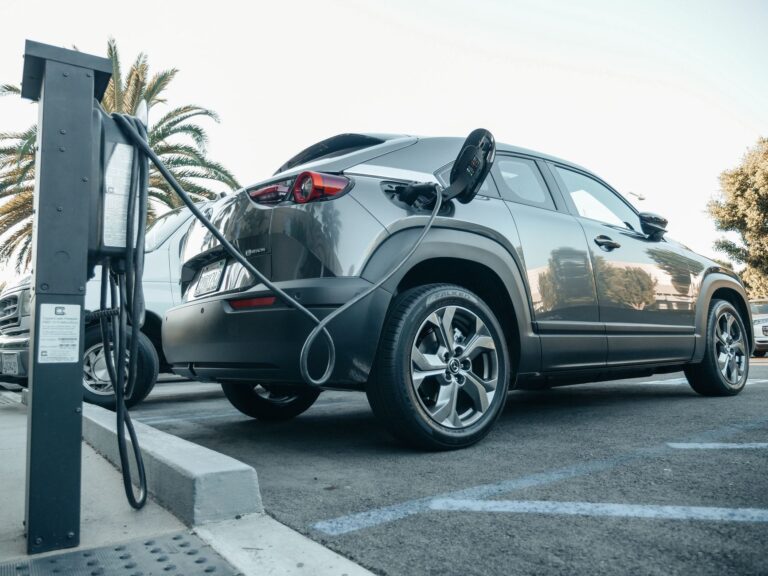
Delhi is taking a significant step toward a cleaner environment by phasing out petrol and CNG two-wheelers by April 2028. Starting January 2027, only electric auto-rickshaws will be allowed to register, marking a pivotal shift in the city’s transportation landscape. The new Electric Vehicle Policy, effective July 1, includes attractive subsidies for electric two and three-wheeler buyers in its initial year, aiming to accelerate the adoption of these vehicles.
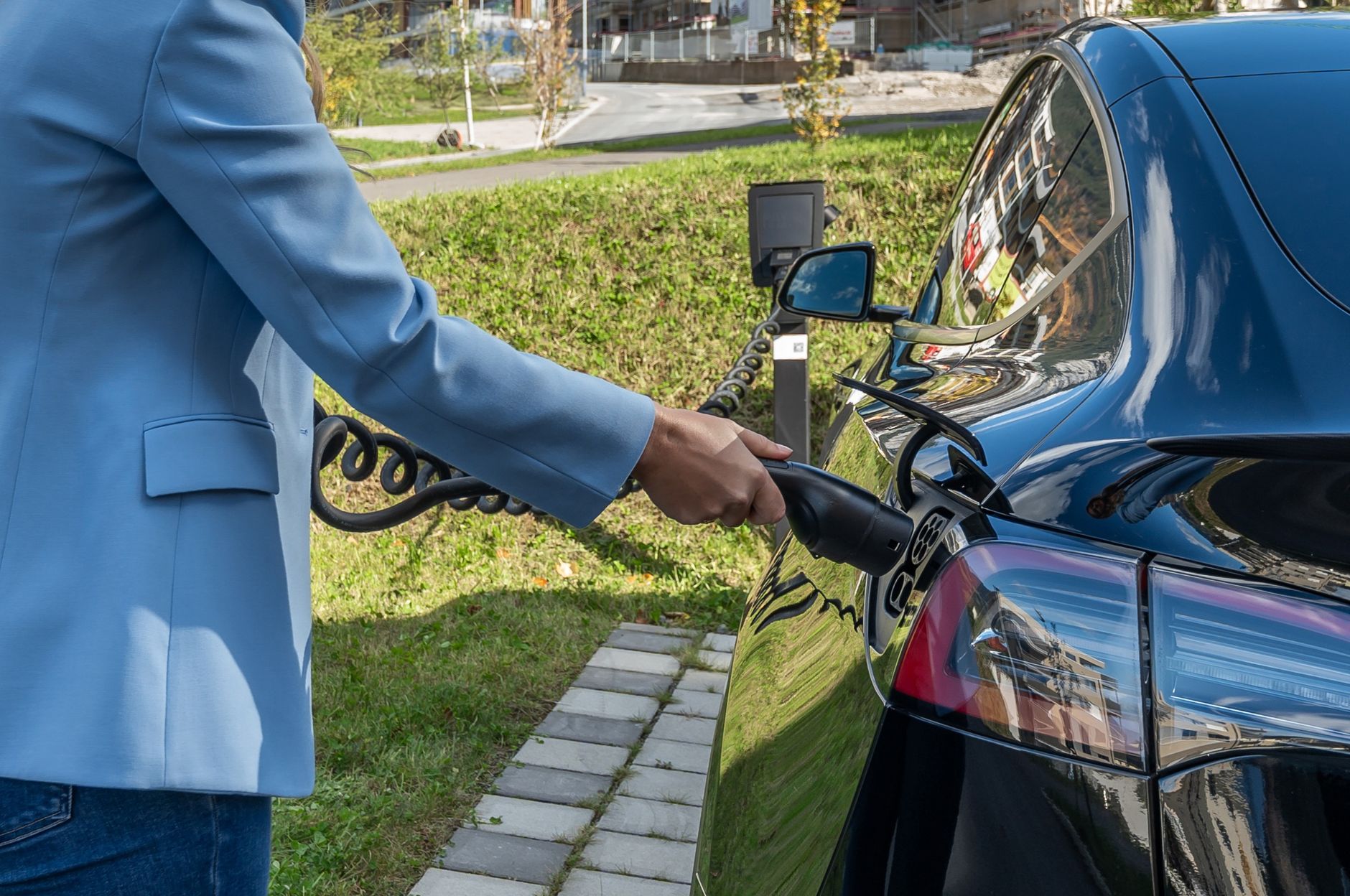
The initiative is primarily a response to the alarming air pollution levels in Delhi, where vehicular emissions are a notable contributor. The government hopes that by incentivizing the shift to electric options, they can mitigate the public health crisis linked to air quality. However, the question remains whether this policy can evoke real change or simply serve as a bandage over deeper systemic issues.
The Full Story
The push toward electric vehicles in Delhi isn’t merely a reaction to environmental pressures; it stems from a broader trend of sustainable mobility choices emerging globally. As cities grapple with worsening air quality, the transition to electric vehicles (EVs) is becoming a priority. However, this is not without its challenges, as infrastructure for EV charging and public acceptance remain significant hurdles. Previous attempts at encouraging eco-friendly transportation in Delhi have had mixed results, from electric buses that take time to hit the roads to subsidies that often go underutilized. The government’s proactive stance in setting a definitive timeline for the phase-out of fossil fuel-powered vehicles is commendable, yet it raises questions about the practicality of implementation and the potential backlash from consumers and the automotive industry alike. As the clock ticks down to 2028, the effectiveness of these measures will be closely scrutinized.
What Changes Now?
Delhi’s EV policy signals a major shift in urban transportation dynamics, potentially reshaping commuter habits and industry standards. With the phasing out of petrol and CNG vehicles, the market will need to pivot quickly to meet the demands of electric alternatives, pushing manufacturers to innovate or face obsolescence.
- Incentives for EV Adoption: The introduction of significant subsidies will make electric vehicles more financially accessible to the average consumer. This shift could spur a rapid increase in EV ownership, which is crucial for meeting environmental goals.
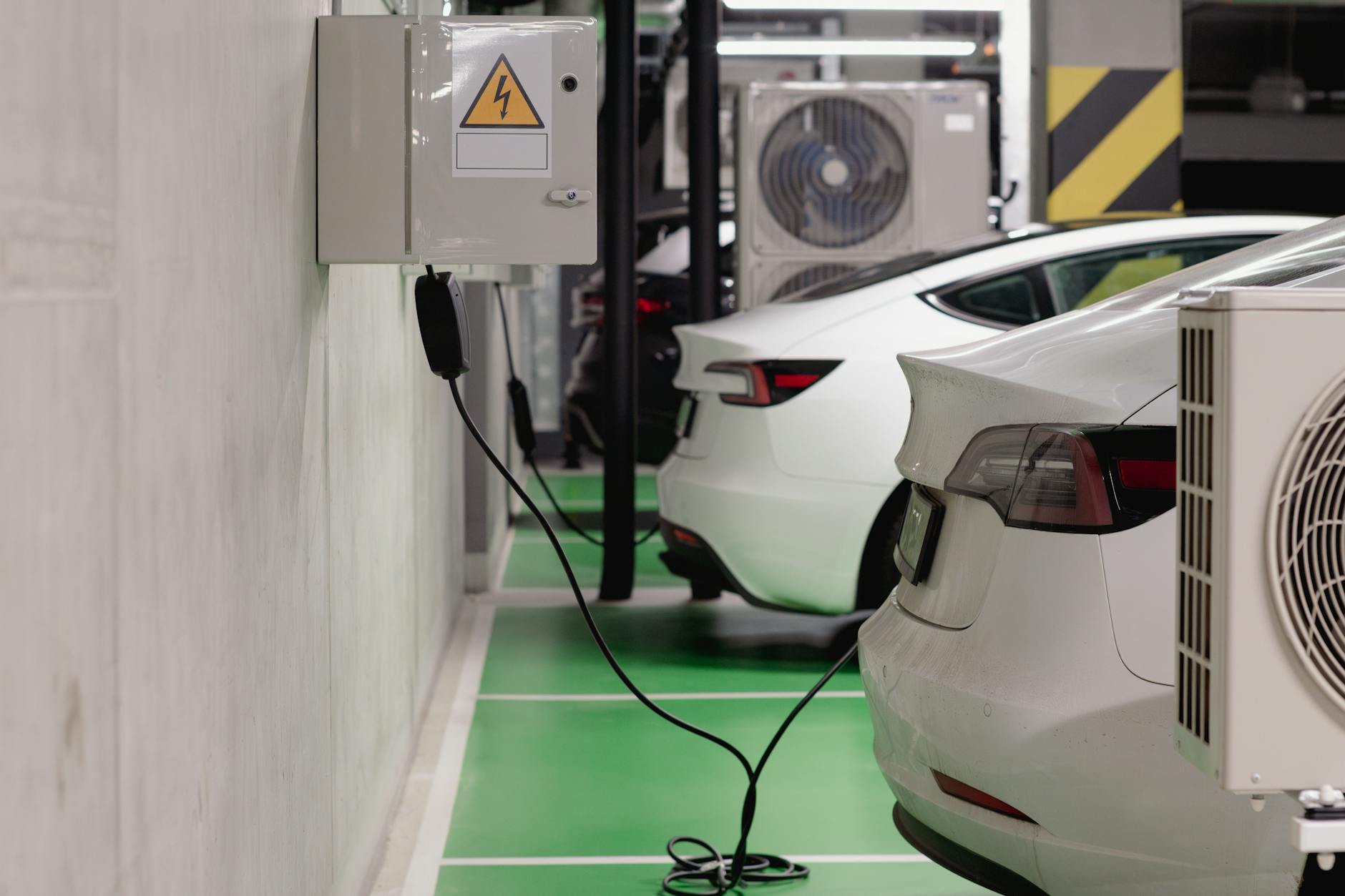
- Infrastructure Development: The demand for charging stations will surge, leading to a potential boom in EV infrastructure. This not only benefits consumers but could also create new job opportunities in a burgeoning sector.
- Public Health Implications: By targeting vehicular emissions directly, the policy aims to create a healthier urban environment. Improved air quality could lead to long-term health benefits for residents, reducing healthcare costs associated with pollution-related illnesses.
Final Word
While Delhi’s decision to phase out petrol and CNG two-wheelers represents an ambitious leap toward sustainable urban mobility, the real test lies in execution. Will the government back its lofty promises with the necessary infrastructure and public engagement, or will this become another example of policy rhetoric failing at ground level? The stakes are high, and the clock is ticking on Delhi to deliver on its green promise. The transition to electric vehicles is more than just a regulatory measure; it’s a litmus test for India’s commitment to combating air pollution and ensuring public health. If this policy flounders, it won’t just be a missed opportunity; it will signify a failure to address one of the most pressing challenges of our time. It’s time to take the electric highway seriously or risk being left at the crossroads of progress.
📰 Source: Read original article | Editorially rewritten and analysed by BuzzWeave.
Related posts:
 Nua Eyes $25M Investment: Is Femtech the Next Gold Rush?
 Madurai’s Marathon: Running for Drug Awareness and Community Health
 Myanmar Fans Rebel Against Military Control of World Cup Broadcasts
 How Anthropic may have talked itself into an AI export ban
 Global Operation Deals Major Blow to Cybercrime Networks
 Delhi Implements Urgent Fire Safety Audits for Coaching Centers