
What Happened?
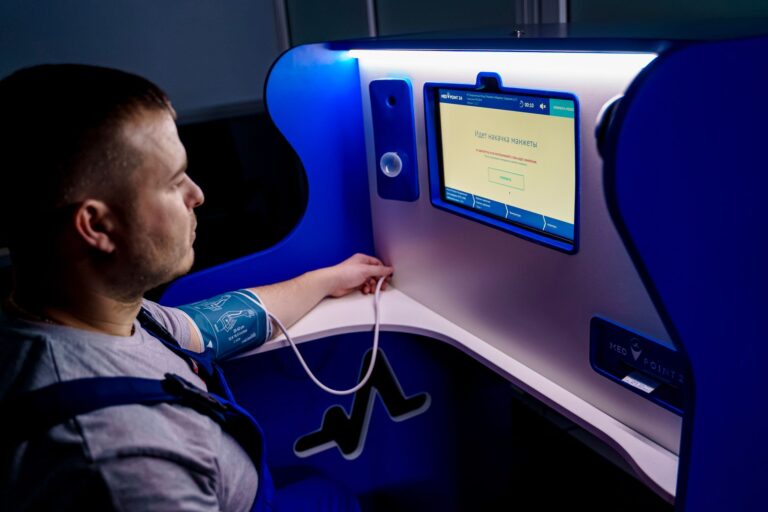
In a bustling city clinic, patients are finding hope in GLP-1 medications, celebrated for their ability to aid weight loss and improve metabolic health. Among them is Sarah, a 42-year-old mother of two, who has struggled with her weight for years. After starting her GLP-1 treatment, she noticed significant changes within weeks, shedding pounds and invigorating her daily life. However, the excitement comes with a caveat that few discuss: the importance of continuous monitoring to safeguard her health. Sarah’s routine now includes regular blood tests to check for potential side effects ranging from gastrointestinal issues to more severe risks like pancreatitis. These tests are not just recommendations; they are lifelines that ensure her body is adapting well to the medication. With GLP-1 prescriptions on the rise, Sarah’s experience reflects a growing narrative—one where proactive health management can mean the difference between thriving and just surviving.

Why It Matters
The increasing popularity of GLP-1 medications, like semaglutide and liraglutide, has marked a significant shift in how obesity and diabetes are treated. As more healthcare professionals prescribe these medications, understanding their implications becomes paramount. Yet, many patients remain unaware that monitoring is not merely a precaution, but an essential aspect of their health journey. Globally, the prevalence of obesity and Type 2 diabetes is climbing at an alarming rate, prompting the need for effective solutions. In this landscape, GLP-1 medications present promising results, but without diligent monitoring, patients risk serious complications. This trend underscores a vital conversation in medicine—how can we ensure that new treatments are safe and effective for everyone who needs them? The stakes are high. More than just individual health, this issue resonates at the societal level, prompting healthcare systems to rethink their approach to patient care. As the demand for GLP-1 medications continues to grow, so too does the imperative for integrating continuous diagnostic monitoring as a standard practice. It’s a change that could save lives, enhance treatment effectiveness, and ultimately reshape the healthcare narrative around obesity and diabetes.
Impact on Consumers
For consumers, understanding the necessity of continuous diagnostic monitoring while on GLP-1 medications is crucial. Many people, like Sarah, are drawn in by the promise of rapid weight loss and better health, but fail to grasp the importance of regular health check-ups. The reality is that monitoring can reveal hidden risks, allowing for timely interventions that can prevent serious health issues. Moreover, as awareness grows, consumers must advocate for themselves, pressing their healthcare providers for transparency regarding tests and potential side effects. This proactive stance can empower patients, leading to more personalized care tailored to their unique health journeys.
- Continuous blood tests are essential for identifying side effects early. These tests can flag issues, allowing for adjustments in treatment before complications arise, ensuring a smoother health journey for the patient.
- Educating oneself about GLP-1 medications is vital. Patients who understand their treatment options and associated risks are more likely to engage in meaningful conversations with their healthcare providers, fostering a collaborative approach to their health.
- Staying informed about lifestyle changes is just as critical. Combining medication with healthy habits—like balanced nutrition and regular exercise—can enhance the effectiveness of GLP-1 treatments and reduce potential risks.

BuzzWeave Analysis
As GLP-1 treatments continue to proliferate, the healthcare landscape must adapt to prioritize continuous monitoring. It’s time to challenge the assumption that once a patient starts medication, their journey becomes passive. Instead, a culture of proactive health engagement needs to be cultivated, where users actively participate in their health narrative. Looking ahead, we predict a paradigm shift where monitoring will not just be recommended but mandated, integrated seamlessly into treatment protocols. This change will empower patients, ensuring their voices are heard, and their health needs are met. We’re on the brink of a healthcare revolution, one that emphasizes informed decision-making and robust support systems. Only by embracing this proactive approach can we truly maximize the potential of GLP-1 medications, transforming what was once a daunting medical journey into a hopeful path forward. The road ahead is promising, but patients and providers alike must walk it together, hand in hand.
📰 Source: Read original article | Editorially rewritten and analysed by BuzzWeave.
Related posts:
 Apple’s M7 Chip Delay: A Bold Move or a Missed Opportunity?
 Pixel 10A: A Fair Price for Google’s Latest Smartphone
 Budimir’s Goal Sends Croatia to Next Round, Eliminates Panama
 Transforming Fitness: The Rise of Happiness Training in Wellness
 Debunking the Myth: Can Dessert Really Cure Migraines?
 SwitchBot’s Circulator Fan: A Game Changer for Home Comfort