

The Big Picture
In our fast-paced society, sleep has become a casualty of our relentless pursuit of productivity. The irony is palpable; while we chase success by burning the midnight oil, we might be unknowingly inviting serious health risks into our lives. Data from the World Health Organization suggests that sleep deprivation can lead to a plethora of health issues, yet here we are, glorifying the hustle culture that champions sleepless nights. The forces at play are significant. With the rise of technology, late-night screen time has become the norm, creating a cycle of poor sleep hygiene. Moreover, societal expectations have shifted, deeming late nights as a badge of honor, reinforcing the notion that those who work harder (and longer) are somehow more worthy. With alarming statistics pointing to the connection between late-night habits and chronic diseases, it’s crucial to confront the uncomfortable truth about our lifestyle choices. Consider this: according to research, adults who regularly stay up late are not just jeopardizing their immediate well-being, but potentially setting themselves up for a grim future. The irony of prioritizing work over rest is that it could lead to work being sacrificed altogether due to health complications. If we continue down this path, we risk normalizing a culture that not only disregards sleep but actively promotes behaviors detrimental to our long-term health.
Breaking It Down
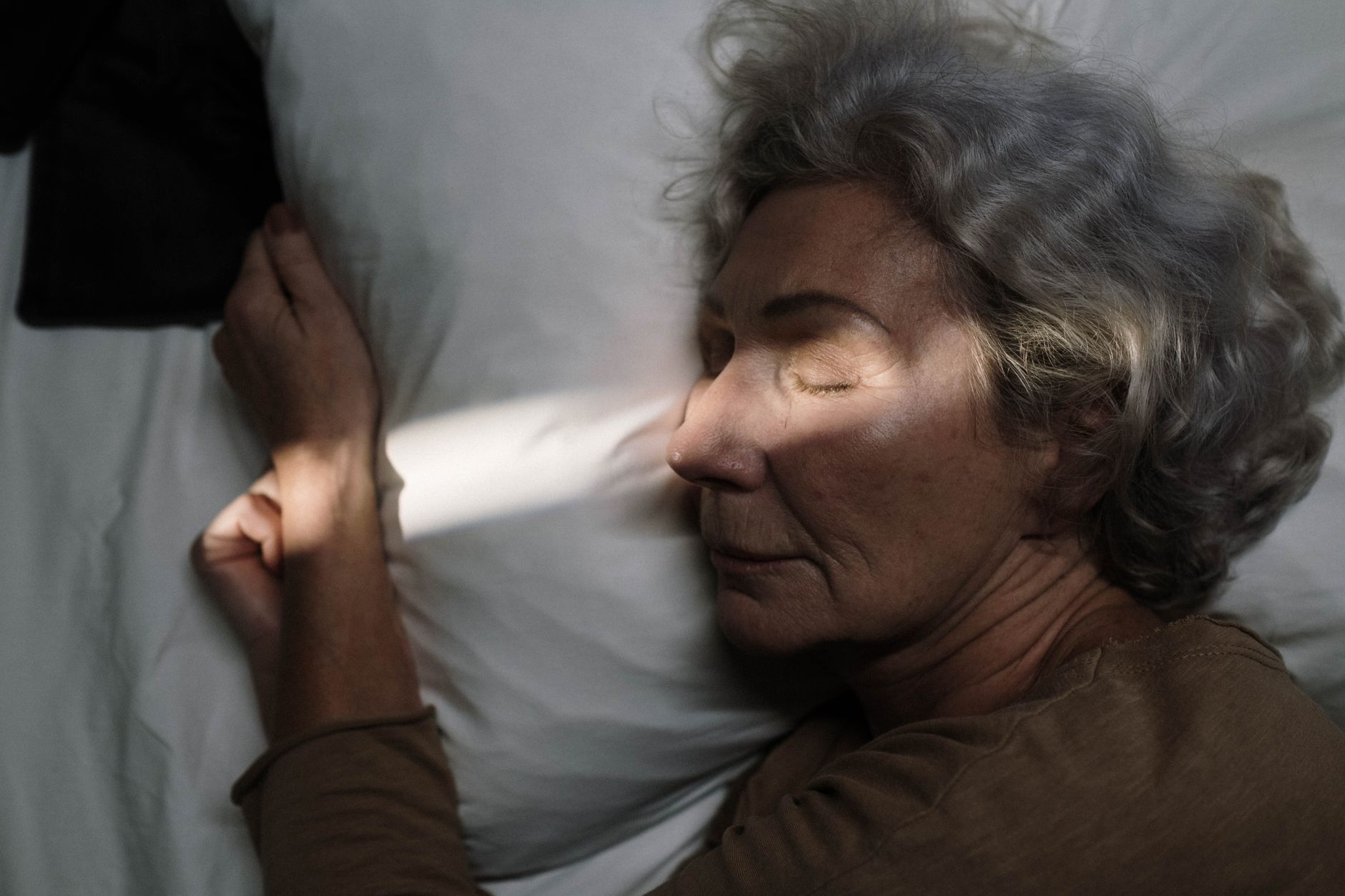
The recent study, conducted over several years and involving thousands of participants, concluded that late-night habits correlate strongly with increased risks of heart disease, diabetes, and early mortality. Researchers meticulously tracked sleep patterns, health histories, and lifestyle choices, revealing a disturbing trend: those who frequently stayed up late, often due to work or social obligations, exhibited significantly poorer health outcomes. This study, published in a peer-reviewed journal, adds to a growing body of evidence that late-night lifestyles are not just a coincidence but a serious health hazard. Participants, averaging ages between 30 to 50, reported their sleep schedules and were monitored for various health markers. Alarmingly, those who kept late hours were not only more prone to metabolic disorders but also showed elevated stress markers, which are known precursors to heart disease. As society leans into a 24/7 work ethic, we must question whether the benefits truly outweigh the risks. The implications of these findings are profound. If the trend of late-night work and socialization continues, we may face an epidemic of chronic conditions fueled by poor sleep hygiene. The question remains: will we heed the warnings, or will we continue to chase the elusive dream of productivity at the expense of our health? Ignoring this data could lead to a significant public health crisis, one that’s entirely preventable with a shift in our cultural attitudes toward sleep and wellness.
Who Is Affected?
The ramifications of late-night lifestyles extend to various demographics, affecting not only individual health but also broader societal dynamics. Firstly, busy professionals, entangled in the demands of work, often sacrifice sleep to meet deadlines, leading to heightened stress and burnout. The consequences? A workforce that is less productive, more prone to mistakes, and ultimately, less healthy. Secondly, students and young adults, caught in the whirlwind of academic and social pressures, frequently find themselves sacrificing sleep for late-night study sessions or social events. This age group is particularly vulnerable, as irregular sleep patterns can lead to long-term cognitive decline and chronic health issues.
- **Corporate Employees:** Many feel pressured to stay late at work to prove their dedication but end up facing burnout and fatigue that diminish their overall productivity.
- **Students:** With the increasing competitive nature of academia, students often pull all-nighters to keep up, risking their mental and physical health for grades.
- **Shift Workers:** Those who work unconventional hours are particularly at risk, as their irregular sleep patterns can lead to metabolic disorders and cardiovascular issues.

Our Take
The narrative around late-night productivity needs a radical overhaul. It’s no longer acceptable to romanticize sleeplessness as a virtue; instead, we must acknowledge it as a silent killer. The growing mountain of evidence linking late nights to severe health complications should serve as a wake-up call for individuals and organizations alike. As we move forward, we should be advocating for a shift in workplace culture that prioritizes well-being over face-time. Employers should champion flexible hours and encourage a culture that respects personal time to recharge. Until we collectively challenge the status quo that celebrates relentless work at the expense of health, we risk perpetuating a dangerous cycle. In closing, the choice is ours: we can continue to glorify the late-night grind or choose to prioritize our health and longevity. Let’s not wait for the wake-up call; it’s time to redefine what it means to be productive and start valuing sleep as a critical component of wellness. Ignoring the facts will only lead to a future where the price of our ambition is far too high.
📰 Source: Read original article | Editorially rewritten and analysed by BuzzWeave.
Related posts:
 RBI’s AI Governance Proposal: A Crucial Step for Financial Safety
 Understanding Silent Carriers: The Role of Genetic Testing in Thalassemia
 How a Simple Habit Can Slash Heart Disease Risk for Sedentary Workers
 Delhi’s ₹15,000 Cr Push for Electric Mobility: A Game Changer
 Alienkind’s $3.2M Funding: A Bold Move or a Trendy Fad?
 Hezbollah’s Stance on Disarmament Sparks Tensions in Lebanon