The Big Picture
The debate surrounding foreign influence in politics is not new, but it’s gaining urgency as global geopolitical dynamics shift. In the UK, concerns have intensified in recent years regarding the interactions between domestic political parties and international lobbying groups. The Israeli-Palestinian conflict has sparked passionate responses from various segments of society, leading many to scrutinize the role that pro-Israel lobbying organizations play within British politics.
Social media campaigns and public petitions have become the modern-day platforms for grassroots activism. The recent petition, launched in January, reflects a growing frustration over the perceived lack of transparency in political decision-making. Framed against the backdrop of ongoing violence in Gaza and its humanitarian implications, this inquiry underscores how personal stories and global events intersect in the realm of politics, demanding attention and responses from lawmakers.
A sense of urgency is palpable among citizens, particularly those advocating for Palestinian rights. The UK’s political landscape is increasingly being influenced by public opinion, and this debate represents a moment where citizens feel empowered to challenge long-standing norms and push for change. As the discussion looms, individuals across the country are keenly watching what unfolds within parliamentary walls.
Breaking It Down
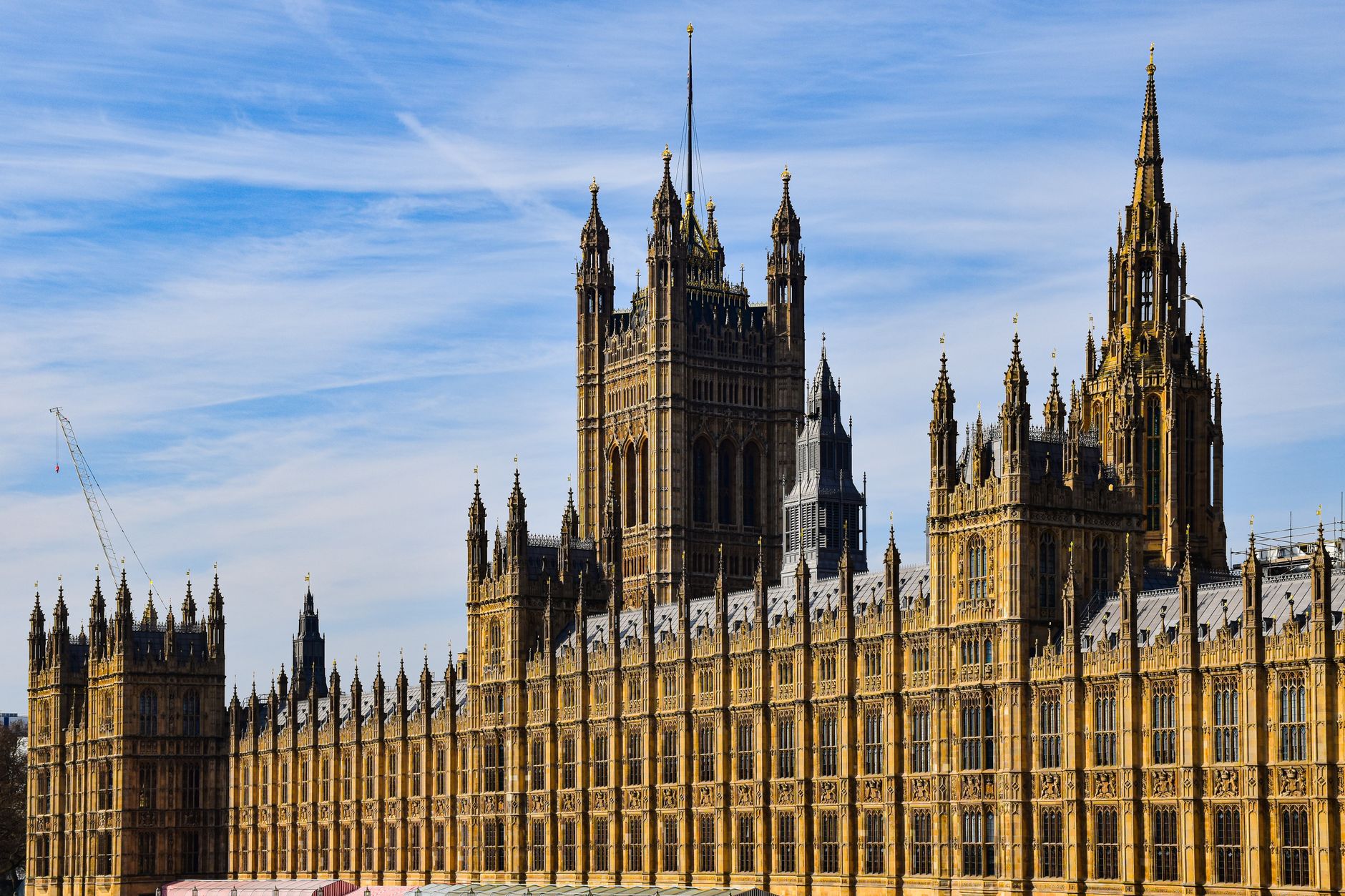
On Monday, UK Parliament will delve into the petition calling for an inquiry into Israeli influence on British politics. Launched by Andy Kalil, a concerned citizen, the petition gained traction following discussions about Russian influence, prompting questions about the often overlooked Israeli lobbying efforts. This inquiry is a response to widespread feelings that foreign interests have significant sway over national policy.
The petition specifically highlights the need to investigate how pro-Israel organizations may be manipulating political dynamics in the UK. This includes examining relationships between lobbying groups such as Conservative Friends of Israel and Labour Friends of Israel, which aim to bolster ties between their respective parties and Israel. With the government already indicating its disapproval, framing the discussion around existing transparency frameworks will be critical.
The ramifications of this debate extend beyond political discourse, touching the lives of countless individuals who are engaged in or affected by these policies. As the debate unfolds, it will also serve as a barometer for public sentiment regarding foreign influence, ultimately influencing future government actions and party alignments.
Who Is Affected?
The conversation surrounding Israeli lobbying in British politics is not just an academic debate; it has real-world implications for various communities. The potential outcomes of this inquiry could reshape how political affiliations and foreign interactions are viewed, affecting the relationship between citizens and their representatives.
- Pro-Palestinian activists: Many activists are deeply concerned about how lobbying affects policy decisions regarding Palestine. They hope this inquiry will shed light on the systemic biases that may influence the UK’s approach to the Middle East.
- Political parties: The divisions within British political parties could become more pronounced as the inquiry exposes the intricate ties they have with lobbying groups. This may lead to shifts in party policies, especially among those seeking to gain ground with younger voters who prioritize transparency and ethics.
- The Jewish community: The Jewish community in the UK may find itself in a precarious position as this debate unfolds. There is concern that discussions on lobbying could inadvertently fuel antisemitism, making it crucial to navigate the inquiry with sensitivity to avoid societal division.

Our Take
As the UK Parliament gears up for this pivotal debate, the implications of the inquiry into Israeli lobbying could resonate widely. While the current Labour government may not support the petition, the rising public interest signals a shift in how citizens are willing to challenge political norms. There’s an opportunity here to foster a more transparent political environment where foreign influences are scrutinized rather than normalized.
The conversations sparked by this petition are vital not just for those directly affected but for the integrity of the UK’s democratic processes. Moving forward, we must pay careful attention to how this debate evolves and what it reveals about the intersections of domestic politics and international relationships. What will this inquiry mean for the political landscape, and how will it shape future discussions on lobbying and foreign influence?
In conclusion, as citizens rally for accountability, it is essential for lawmakers to respond meaningfully. The call for transparency is not just a demand for answers; it is a plea for the integrity of the democratic process. Let this inquiry serve as a reminder that the voices of the people cannot be overlooked, especially when they challenge us to confront uncomfortable truths.
📰 Source: Read original article | Editorially rewritten and analysed by BuzzWeave.