
The Big Picture
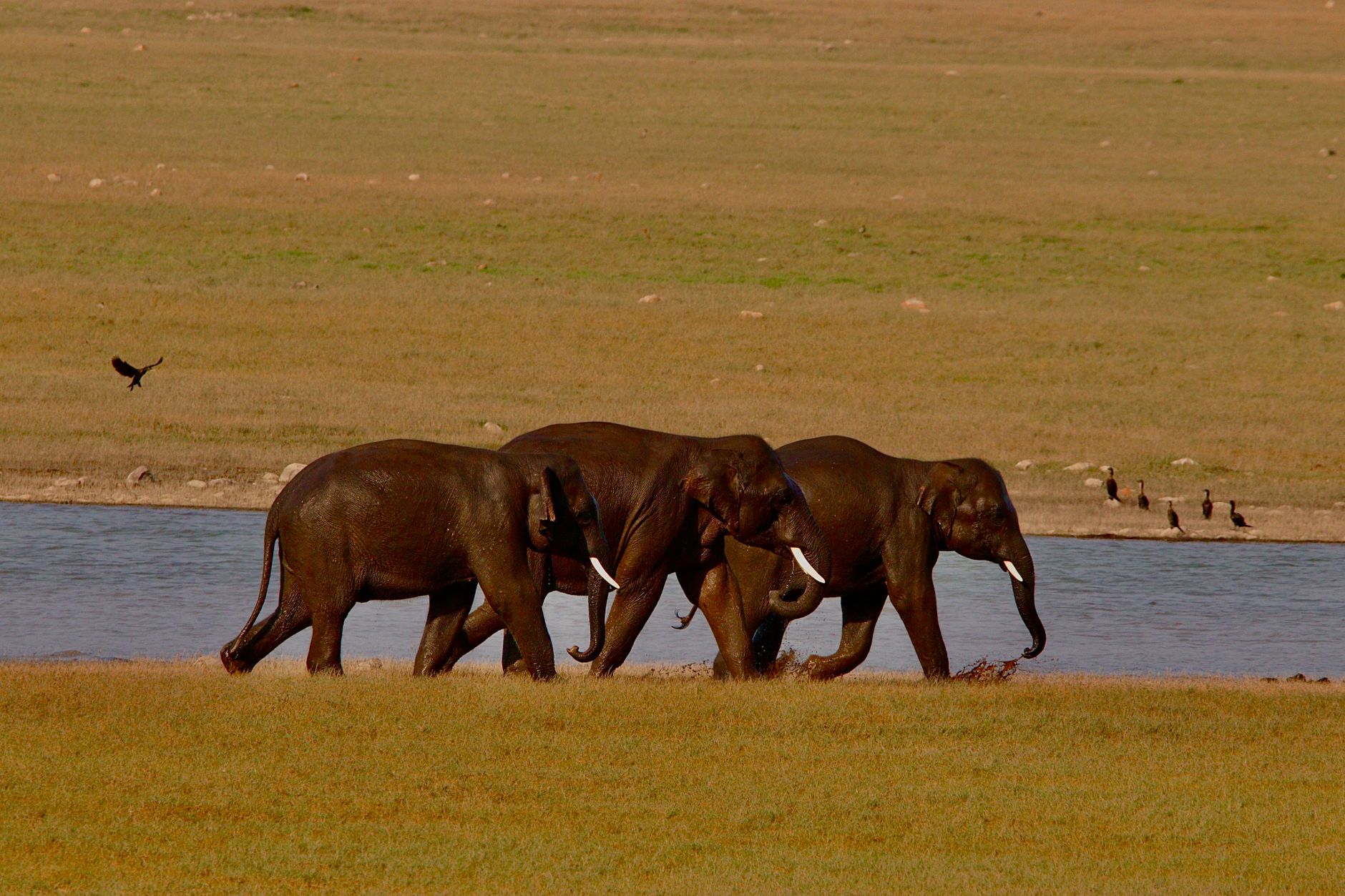
As the human population expands, we are increasingly encroaching on the territories of wildlife, particularly in India, which hosts around 60% of the world’s wild Asian elephants. The Ministry of Environment, Forest, and Climate Change reveals that about 80% of elephant habitats lie outside protected areas, pushing these majestic creatures into direct confrontation with human settlements. This collision course has led to an alarming 3,000 human casualties over recent years, underscoring the urgent need for intervention in this fraught coexistence.
With urban expansion, agriculture, and infrastructure development taking precedence, traditional solutions to wildlife conservation have faltered. The struggle for land is a microcosm of larger global conflicts between economic development and ecological preservation. This is not merely a local issue; it reflects a worldwide phenomenon where nature is increasingly pitted against modernity, and the stakes couldn’t be higher.
Enter AI technology, the latest player in this complex drama. Harnessing data analytics and machine learning, these systems aim to predict and prevent potential clashes, essentially positioning themselves as the new guardians of both human lives and elephant populations. As we venture deeper into this technological era, the question looms: is this a genuine solution, or just another shiny distraction?
Breaking It Down
The recent pilot programs of AI warning systems have demonstrated fascinating yet troubling results. Specifically, in states like Assam and Kerala, researchers have deployed sensors and machine learning algorithms to monitor elephant movements, sending alerts to local communities when danger is imminent. Since 2021, these trials have reportedly reduced human-elephant encounters by nearly 25%, but this success must be scrutinized more closely.
Critics argue that while these technologies sound promising, they are symptomatic of a much deeper issue: the continuous degradation of elephant habitats. These AI solutions may ease immediate tensions but do little to address the root cause: the relentless encroachment of human activity into wildlife territories. As the technology evolves, so too must our understanding of its limitations.
Moreover, the cost of implementing these AI systems raises questions about equity and accessibility. While affluent areas may benefit from the latest technologies, rural communities often lack the infrastructure or resources to leverage such innovations. Thus, a significant divide emerges: technology can save elephants, but at what cost, and who pays?
Who Is Affected?
The ramifications of AI warning systems extend beyond just the elephants and humans involved. This situation intertwines with broader societal issues, impacting several distinct groups.
- Local Farmers: Many farmers live in constant fear of elephants destroying their crops. While AI alerts can help mitigate losses, this technology does not address the underlying issue of habitat loss, leaving farmers to grapple with ongoing challenges.
- Conservationists: Those dedicated to preserving wildlife may see AI as a double-edged sword. While it offers a temporary solution, it could lead to complacency in tackling habitat destruction, undermining long-term conservation efforts.
- Urban Planners: City developers face increasing pressure to balance growth with ecological preservation. The introduction of AI systems may force them to reconsider planning strategies, but it also risks perpetuating a cycle of conflict if urban expansion continues unchecked.
Our Take
As we watch this unfolding situation, it’s vital to challenge the narrative surrounding technology as a panacea for ecological issues. While AI can undoubtedly play a role in safeguarding both elephants and humans, it should not distract us from the pressing need for sustainable land management practices and habitat restoration. Relying solely on technology to prevent human-elephant conflicts is akin to putting a bandage on a wound that demands surgery.
We should be wary of complacency that technology can foster. The real solution lies in a comprehensive approach that considers ecological balance, community engagement, and urban planning, rather than merely deploying high-tech fixes. As we navigate this intersection of AI and wildlife conservation, the imperative is clear: technology must serve as a tool in a larger toolkit, rather than the sole answer.
Ultimately, the question we must confront is this: Can we truly coexist with nature if our solutions prioritize convenience over genuine preservation? If we fail to address the root causes, the elephants may still find themselves on the losing end, regardless of how advanced our warning systems become.
📰 Source: Read original article | Editorially rewritten and analysed by BuzzWeave.