
What Happened?
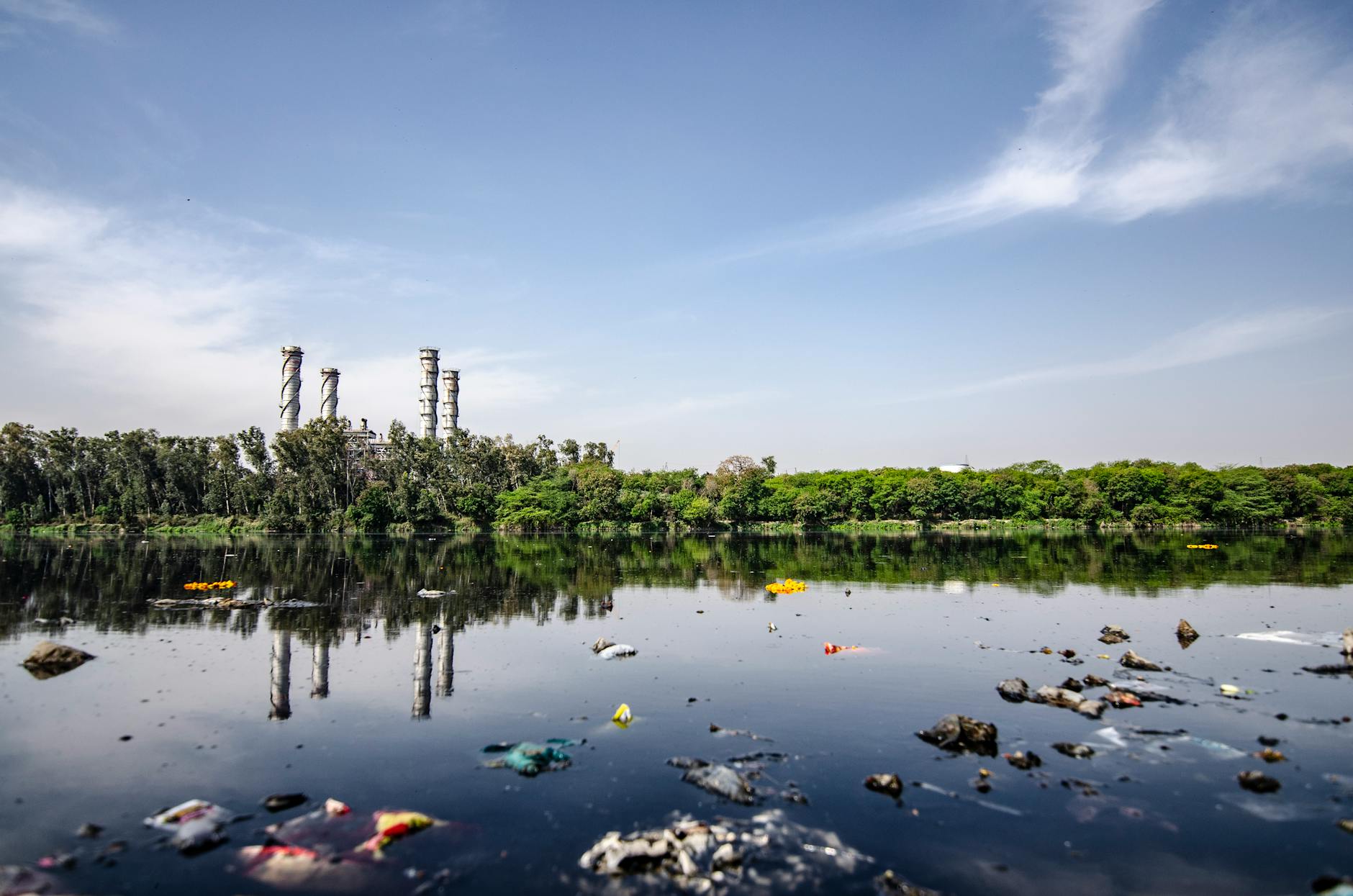
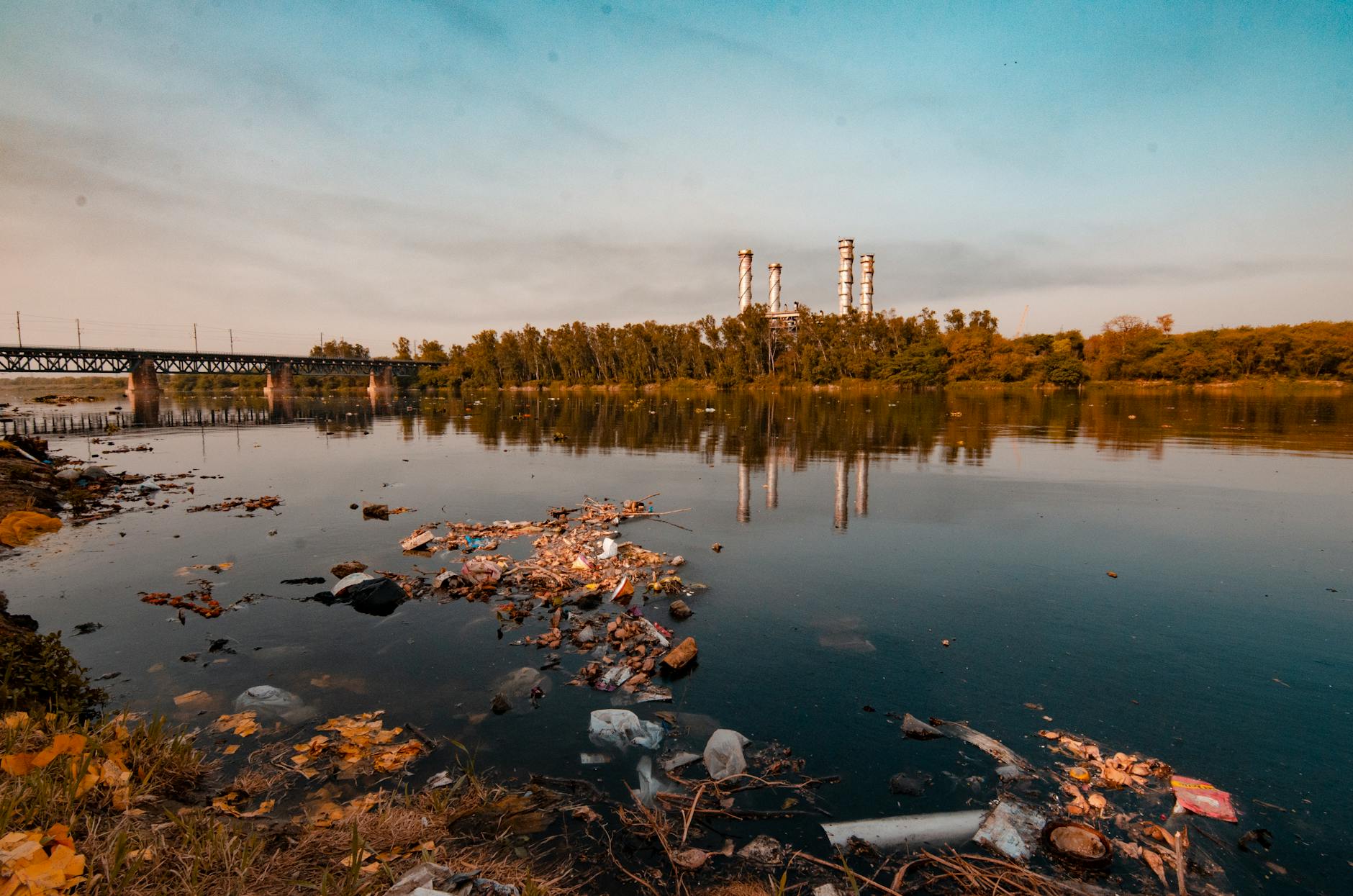
The Godavari, revered as the Akhanda Godavari, has long been a lifeline for millions. Recently, it was declared unfit for consumption or even ritual bathing, a devastating blow to the four lakh residents who rely on its waters. Contaminants from local industries and untreated sewage are polluting its once-pristine flows, prompting traditional fisherfolk to abandon their ancestral livelihoods. They now turn to the Eastern bank for basic needs like drinking and bathing, a stark departure from a culture deeply entwined with the river’s identity.
As the water quality deteriorates, the local community is left grappling with the implications of this environmental crisis. The river, which has nourished generations, is now a source of concern for health and survival. The plight of the fisherfolk is particularly poignant; once-proud custodians of the river, they now face an uncertain future as the waters they cherished have become tainted and hazardous.
Moreover, the upcoming 2027 Pushkarams—a major religious festival that celebrates the Godavari—adds urgency to these issues. With thousands of pilgrims expected to flock to its banks, the necessity of a clean river becomes even more critical. If left unaddressed, the pollution not only jeopardizes the health of the local community but threatens the very essence of their cultural practices.
Why It Matters
The plight of the Godavari River is emblematic of a broader global trend where sacred waters are increasingly under threat from human activities. Rapid industrialization and urbanization are often at odds with environmental sustainability, and the Godavari case exemplifies this struggle. It highlights a crucial intersection between cultural heritage and the urgent need for environmental protection—a reality faced by many communities across the globe.
As cities expand, the management of water resources becomes a pivotal issue, not just for local populations but for regional ecosystems. Polluted waterways can lead to long-term ecological damage, affecting biodiversity, water quality, and food security. The Godavari, steeped in spiritual significance, now stands as a reminder of what is at stake when nature is neglected in the name of progress.
In recent years, there has been a growing awareness of water conservation and pollution control, yet the challenges remain daunting. The story of the Godavari reflects a larger call to action, urging governments and communities alike to prioritize sustainable practices. Without proactive measures, we risk losing not just a river but also the cultural identities intertwined with its flow, echoing a warning that resonates far beyond its banks.
Impact on Consumers
The pollution of the Godavari affects more than just the immediate communities; it reverberates through the broader consumer landscape. For those living in and around the river, access to clean drinking water is becoming an increasingly difficult challenge. Families are forced to seek alternatives that may not always be readily available or affordable, impacting their health and well-being.
Furthermore, local businesses that rely on the river, from fishing to tourism, face dire consequences as pollution deters visitors and depletes fish stocks. Consumers whose livelihoods are tied to these industries will likely experience economic repercussions, further amplifying the need for a collective response to this crisis.
- Access to clean water is diminishing, forcing residents to rely on bottled water or distant sources, which can strain budgets and affect health.
- The decline in fish populations and river activities could lead to higher prices for local fish in markets, impacting food choices and costs for consumers.
- Environmental degradation disrupts local tourism, as visitors may be less inclined to engage with a polluted riverfront, affecting businesses reliant on this influx.
BuzzWeave Analysis
The situation surrounding the Godavari River poses a critical challenge, but it also presents a unique opportunity for advocacy and change. As we approach the 2027 Pushkarams, there is an urgent call for stakeholders—government bodies, local communities, and environmental organizations—to collaborate on restorative measures. Should they rise to the occasion, we could witness a revitalization of the river that not only restores its purity but also reinforces its cultural significance.
We must challenge the assumption that economic growth can only come at the expense of environmental health. The Godavari’s plight illustrates that a sustainable approach to resource management is not only possible but necessary for the survival of both the river and its people. This is a time for innovation, for reimagining how we interact with our natural environments.
In the face of despair, there lies hope. The story of the Godavari is not just about loss; it is about resilience and the chance for renewal. If we choose to act decisively, we can transform this narrative from one of destruction to one of inspiration—a testament to humanity’s ability to heal its most sacred waters.
📰 Source: Read original article | Editorially rewritten and analysed by BuzzWeave.