
What You Need to Know
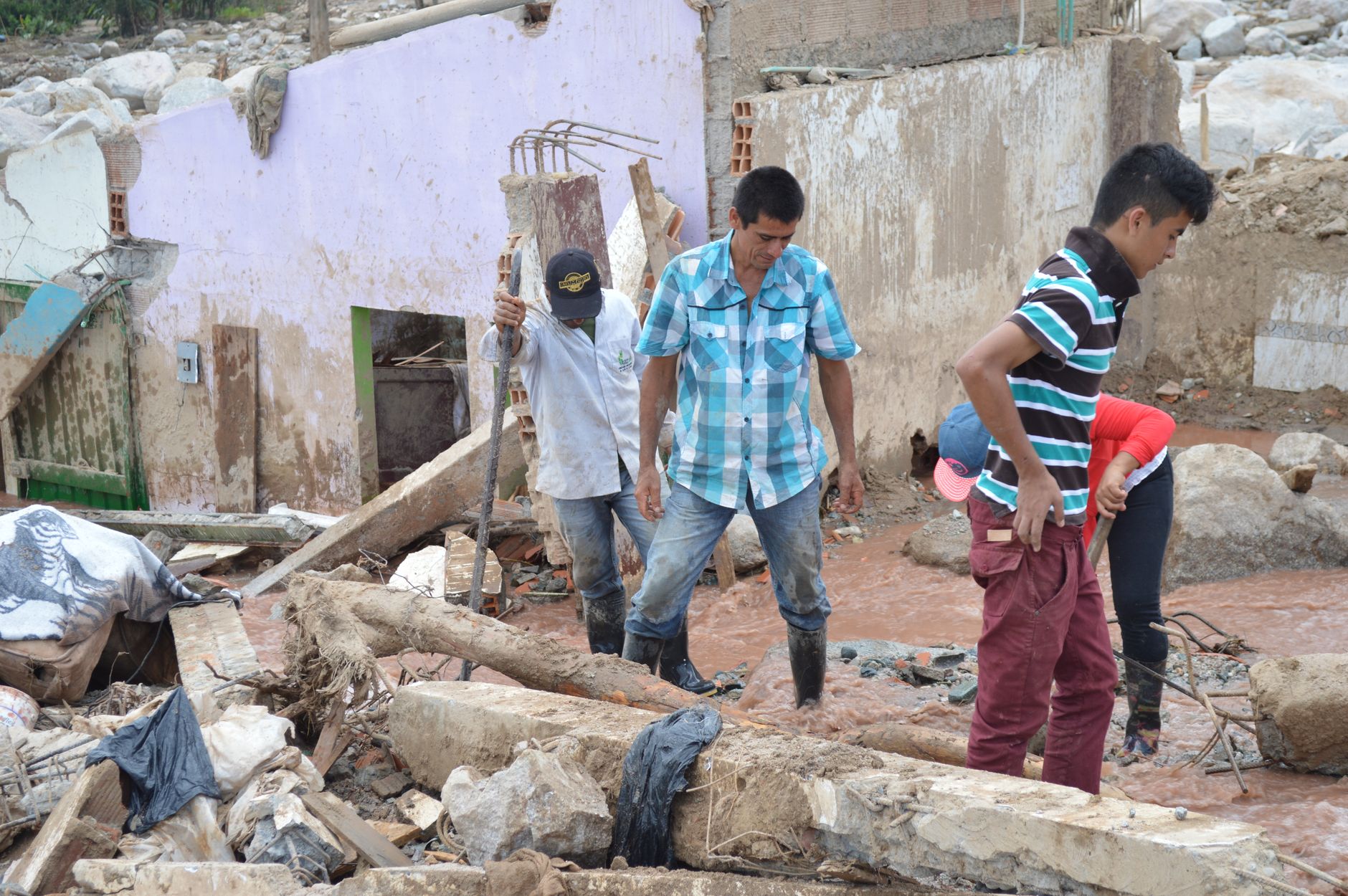
The aftermath of the devastating twin earthquakes in Venezuela has sparked widespread fury among citizens. Thousands have mobilized to assist in rescue operations, but military forces have barred their entry into the affected zones. This decision has been met with outrage, as many Venezuelans feel the government is ill-equipped to handle the crisis effectively. The military’s actions reflect a broader context of distrust that permeates Venezuelan society. With a government that has often been criticized for inefficiency and corruption, many citizens believe they cannot rely on official resources for timely assistance. This has led to a palpable tension between the populace and authorities, with the latter insisting on controlling the situation. As rescue efforts continue, the frustration is mounting. Families are desperate for news of loved ones trapped under rubble, and the sense of helplessness grows as citizens are left outside the disaster zones. The situation showcases not only a natural disaster but also the deep societal fractures that have emerged in Venezuela over the years.

The Full Story
Venezuela has been grappling with political and economic turmoil for years, which has exacerbated the challenges presented by natural disasters. Following the earthquakes, which struck with little warning, the government’s response has been marred by a lack of transparency and efficacy. The military’s blockade of civilian rescue efforts is a stark reminder of the lengths to which those in power may go to maintain control, even amid an urgent humanitarian crisis. Historically, Venezuela has faced numerous natural disasters, but the current regime’s handling of such emergencies has often incited ire from the public. Citizens remember past instances where government negligence resulted in loss of life and suffering, leading to a collective skepticism towards official disaster response measures. The repeated failures of the state to act in the best interest of its people only deepen the chasm of mistrust. As thousands of volunteers gather at the peripheries of affected areas, they represent a flicker of hope amid despair. These individuals, driven by compassion and a sense of community, are eager to lend a hand. However, the military’s restrictions serve not only as a physical barrier but as a symbolic representation of the ongoing struggle between authority and the will of the people.
What Changes Now?
The current situation in Venezuela reflects a critical turning point for citizen engagement in disaster response. As frustration boils over, it could lead to a more organized civil society movement demanding change and accountability from those in power. This could pave the way for a new era of grassroots activism and community-driven initiatives.
- **Growing Civil Activism:** The anger directed at the government may catalyze more citizens to engage in activism, seeking to hold leaders accountable. As volunteers continue to organize, they may form networks that challenge governmental authority even beyond this crisis.
- **Increased Mistrust in Government:** The blockage of volunteer efforts will likely compound the public’s skepticism regarding government efficacy. This growing resentment can manifest in political actions, influencing future elections and public policy in Venezuela.
- **Shift Towards Self-Organization:** As Venezuelans realize the limitations of official rescue operations, they may increasingly turn to self-organization in crisis scenarios. This shift could lead to communities developing their own emergency response strategies, creating a more resilient society.
Final Word
The situation in Venezuela, where citizens are barred from aiding in rescue efforts, is more than just a governmental failure; it’s a spotlight on the resilience and determination of a populace that refuses to be passive during a crisis. The military’s actions not only prevent desperate individuals from helping their neighbors but also reveal a profound disconnect between the government and the people it claims to serve. As anger surges and frustration mounts, one thing is clear: Venezuelans are ready to reclaim their agency in the face of disaster. They are not just victims in this narrative; they are potential agents of change demanding accountability and action. In a country rife with challenges, the true spirit of Venezuela may just rise from the rubble, driven by a fierce desire for justice and a better tomorrow. In the end, the question remains: how long will the people wait for a government that doesn’t respond, before they take matters into their own hands?
📰 Source: Read original article | Editorially rewritten and analysed by BuzzWeave.