
The Big Picture
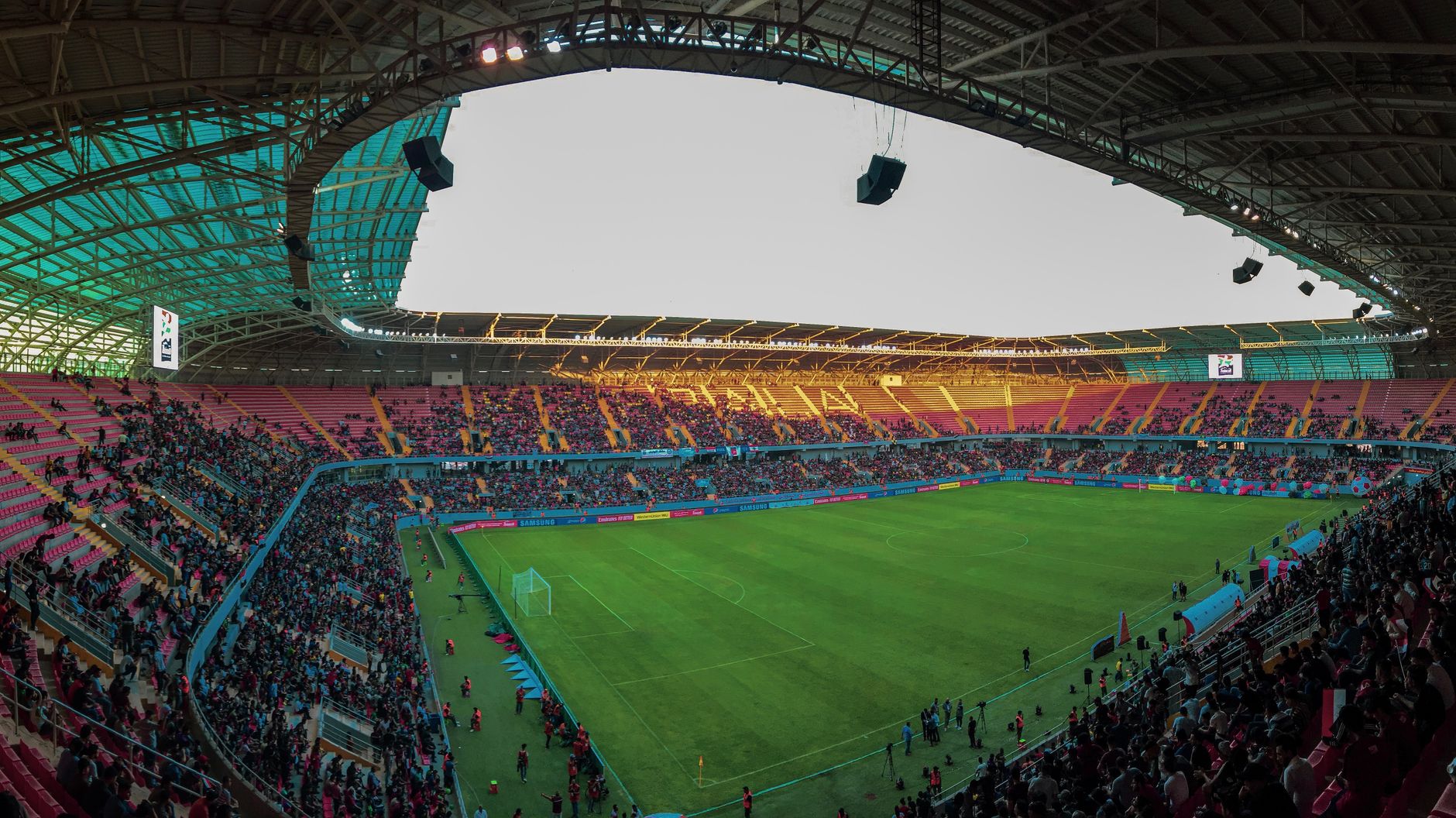
The 2026 FIFA World Cup has set the stage for traditional powerhouses and underdogs alike to showcase their talents. With the tournament taking place across North America, the atmosphere has been electric, prompting teams to rethink their strategies and ambitions. Colombia, historically a nation of great footballers, is eager to assert its identity in a group filled with European heavyweights, making this match against Portugal a pivotal moment in their campaign. Colombia’s football evolution has been dramatic, transitioning from a team often seen as a dark horse to a serious contender on the global stage. Recent years have seen a surge in talent, with players like Jhon Arias and Davinson Sanchez emerging as key figures who can challenge established norms. Their performance against Portugal is a testament to this growth and a harbinger of Colombia’s potential to upset the traditional hierarchy of football. As the backdrop of the match unfolded in Miami, an impassioned crowd swelled with yellow shirts, echoing Colombia’s rich football culture. Yet, as thrilling as the atmosphere was, the narrative remains complex; while advancing as group winners is commendable, it becomes crucial to question the efficacy of results that lack a decisive scoreline. Was this draw a true display of talent or merely a missed opportunity?
Breaking It Down
The clash between Colombia and Portugal on June 28, 2026, was a rollercoaster, filled with missed chances and near-misses that kept fans on the edge of their seats. From the outset, Colombia’s offense was relentless, with Jhon Cordoba’s early attempts signaling their intent to dominate. Despite a thrilling first half that saw numerous saved shots, Colombia’s inability to convert their chances into goals left spectators questioning if they truly had the killer instinct needed in high-stakes matches. Portugal, on the other hand, seemed to be grappling with their identity, unable to blend their roster of superstars into a cohesive unit. Cristiano Ronaldo, the enduring icon of Portuguese football, was largely muted throughout the match, left to fend for himself as Colombian defenders controlled the pace. The draw, while securing advancement for both teams, raised eyebrows as Portugal needed a win to firmly establish their status as group leaders. Colombia’s Davinson Sanchez thought he had achieved glory late in the game with a header that was controversially ruled offside after a VAR check. This moment encapsulated the tension of the match—a single decision could redefine a tournament. As the final whistle blew, the realization set in: while Colombia had showcased their potential, the scoreline belied the drama of their performance and the road ahead in the knockout stages.
Who Is Affected?
In football, the ripple effects of a match extend far beyond the final score, impacting players, fans, and even entire nations. Colombia’s draw places immense pressure on the team to capitalize on their momentum moving forward, while Portugal faces a strategic reckoning as they prepare for their next encounter. The stakes are high, with each nation’s World Cup narrative hanging in the balance.
- Colombian Players: With their performance, the players have boosted their morale and reputation, proving they can compete against elite teams. Their confidence will be crucial in overcoming the challenge posed by Ghana in the next round.
- Portuguese Fans: The supporters of Portugal are left grappling with disappointment and frustration, as expectations were high for a confident showing. They will be watching closely to see if their team can gel in time for their next match against Croatia.
- Football Analysts: Experts and commentators will dissect this game to draw conclusions about both teams’ tactics and performances. What does this draw mean for Colombia’s ambitions, and how will it affect Portugal’s strategy moving forward?

Our Take
The 0-0 draw between Colombia and Portugal is a stark reminder that in football, results don’t always tell the full story. While Colombia’s performance was nothing short of exhilarating, the absence of goals raises uncomfortable questions about their capacity to finish in high-pressure situations. Will they be able to maintain this level of play while also finding ways to convert chances into decisive victories? For Portugal, the narrative is murkier. With a roster bursting with talent, the inability to fuse this star power into an effective unit is a cause for concern. As they move into knockout stages, their chances hinge on whether they can finally harmonize their individual strengths into a cohesive strategy. If Portugal continues to flounder, they might find themselves exiting the stage far earlier than anticipated. What we witnessed was a match filled with potential energy yet lacking the spark of finality. As Colombia prepares to face Ghana, the world will be watching not just for results, but for how they evolve from this near-miss. Football’s biggest questions often linger long after the final whistle, and in this case, they echo louder than any joyous cheers from the stands. What will it take for both teams to transform potential into performance, and will they seize their moment on the grandest stage of all?
📰 Source: Read original article | Editorially rewritten and analysed by BuzzWeave.