What Happened?
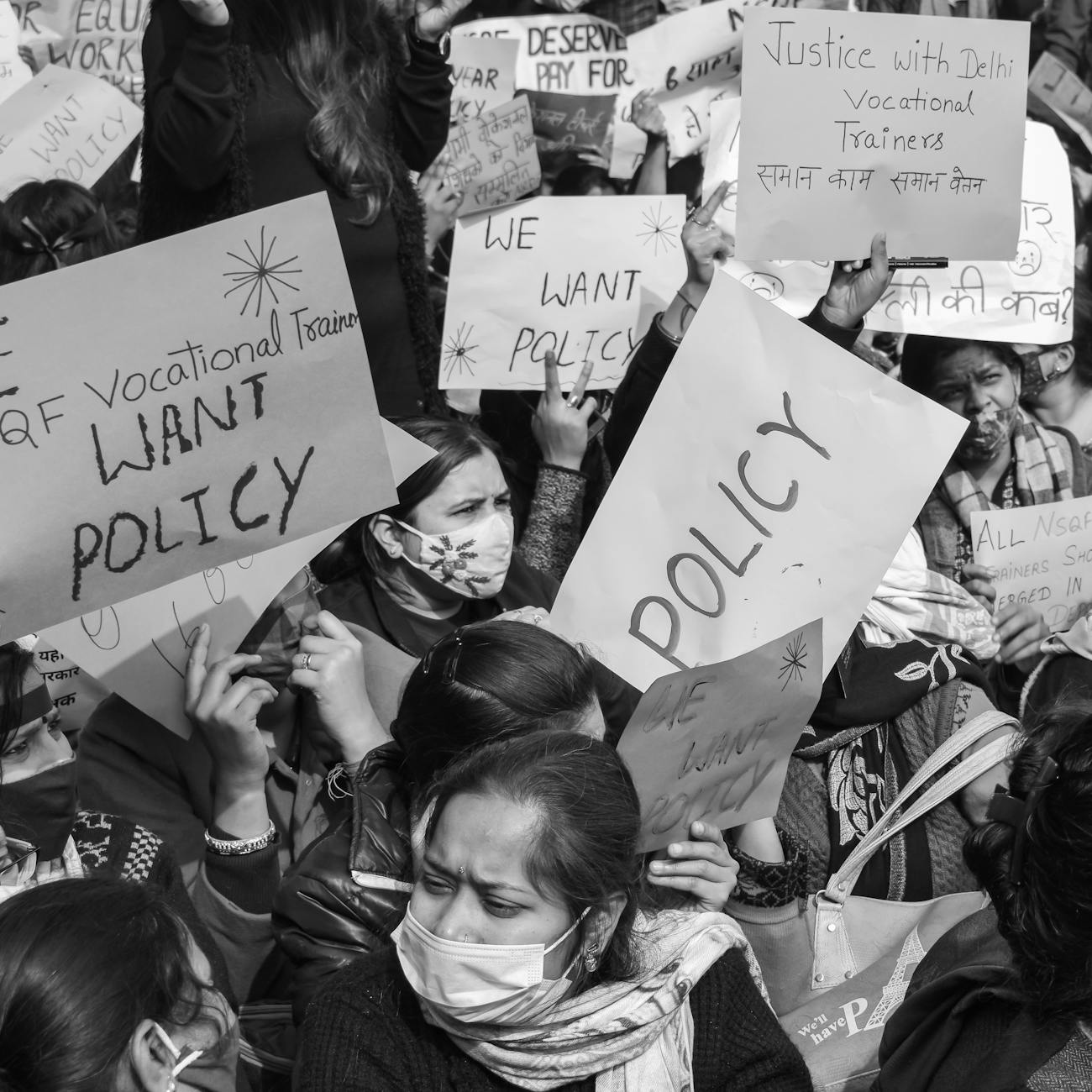
The All India Democratic Students’ Organization (AIDSO) recently voiced discontent regarding the newly proposed STEAM initiative, which aims to integrate Science, Technology, Engineering, Arts, and Mathematics into a cohesive learning framework. AIDSO argues that this initiative is merely a disguised execution of the controversial National Education Policy (NEP) 2020, which has faced criticism for various reasons, including its perceived shift towards privatization in education. During a press conference, AIDSO leaders articulated their concerns, stating that the STEAM initiative could undermine existing educational structures that prioritize comprehensive and unbiased education. The NEP 2020 was designed to overhaul the Indian education system by introducing a multidisciplinary approach and promoting skill-based learning. However, critics fear that its implementation has been rushed and lacks adequate public consultation. AIDSO’s stance reflects a broader unease among educators and students alike, who see the STEAM initiative as a pathway to reinforce NEP’s contentious policies rather than enhance educational quality. As more details about the STEAM initiative emerge, the debate intensifies. Educators and policymakers are now scrutinizing whether this new framework will genuinely foster creativity and innovation or simply serve as a vehicle for NEP’s more privatized educational economics. The outcome of this clash will likely have significant ramifications for the future of education in India.
Why It Matters
The implications of AIDSO’s opposition to the STEAM initiative extend beyond mere policy disagreements; they reflect fundamental questions regarding the direction of education in India. As the global education landscape evolves towards incorporating more interdisciplinary methods, debates like this highlight tensions between innovation and traditional educational values. The push for STEAM indicates a recognition of the need for skills that blend creativity with analytical thinking, essential for the modern workforce. In a world increasingly driven by technology and rapid change, integrating subjects can prepare students better for real-world challenges. However, if the frameworks for these initiatives are flawed, they risk perpetuating inequalities or failing to meet educational standards. AIDSO’s concerns reveal the need for a more cohesive dialogue about the purpose of education and how best to achieve it in the contemporary era. Moreover, the situation in India resonates with global educational trends that emphasize critical thinking and problem-solving skills. Countries around the world are grappling with how to balance traditional education with the demands of a knowledge-based economy. AIDSO’s fight against what they view as a top-down implementation of policies signals an important grassroots movement advocating for educational integrity and inclusivity.
Impact on Consumers
For parents and students, the unfolding debate surrounding the STEAM initiative presents both opportunities and challenges. While the idea of an integrated curriculum may seem appealing, the underlying implications of its association with NEP 2020 raise red flags about the quality and accessibility of education. As stakeholders in the education system, consumers are left navigating a landscape marked by uncertainty and shifting policies.
- Informed Decision-Making: Parents should stay informed about educational policies and initiatives like STEAM to better understand how they impact their children’s learning environment. Engaging in discussions with educators can provide crucial insights into the effectiveness and potential downsides of such programs.
- Advocacy for Quality Education: Consumers have a responsibility to advocate for educational reforms that prioritize equity and comprehensive learning. By participating in dialogues and voicing concerns, they can influence policymakers to ensure that new initiatives serve the best interests of all students.
- Understanding the Broader Context: Recognizing how local policies connect to national frameworks like NEP 2020 is essential for parents and students. This awareness can foster a more critical view of educational changes and help them prepare for the future labor market.
BuzzWeave Analysis
The controversy surrounding the STEAM initiative and its ties to the NEP 2020 will likely shape not only educational policy in India but also the larger movement towards interdisciplinary education worldwide. As challenges to traditional educational structures continue to rise, the demand for frameworks that genuinely foster creativity and critical thinking will become more pronounced. AIDSO’s position presents a crucial reminder that progress should not come at the expense of equity and inclusive educational practices. Looking ahead, we can anticipate a more significant push from grassroots organizations demanding transparency and genuine consultation regarding educational changes. The conversation about what constitutes a quality education is far from over, and it’s essential for stakeholders to engage meaningfully in this discourse. As the debate unfolds, it will be imperative to hold policymakers accountable for creating an educational system that truly meets the needs of all students. Ultimately, as we navigate these complex conversations about education, it is essential to remember that the future of learning is not just about adapting to change, but about ensuring that every learner is equipped to thrive in an ever-evolving world.
📰 Source: Read original article | Editorially rewritten and analysed by BuzzWeave.