
The Big Picture
The floods in Arunachal Pradesh are a stark reminder of the tumultuous reality brought on by climate change, where regions once deemed safe can transform into disaster zones overnight. With the Indian subcontinent experiencing a shift in monsoon patterns, the traditional rainy season is no longer predictable. Instead, an alarming intensity marks these weather patterns, leaving states unprepared and vulnerable.
Add to this the pressures of rapid urbanization and poor infrastructure, and you have a recipe for calamity. As towns expand and roads are hastily constructed, environmental considerations often take a backseat. The apparent negligence in sustainable development policies raises critical questions about the priorities of state and local governments.
In this landscape, the people of Arunachal Pradesh, known for their cultural richness and natural beauty, find themselves at the mercy of nature’s wrath, exacerbated by human oversight. This flood is more than just a natural disaster; it is a glaring indictment of governance that often fails to protect the most vulnerable in society.

Breaking It Down
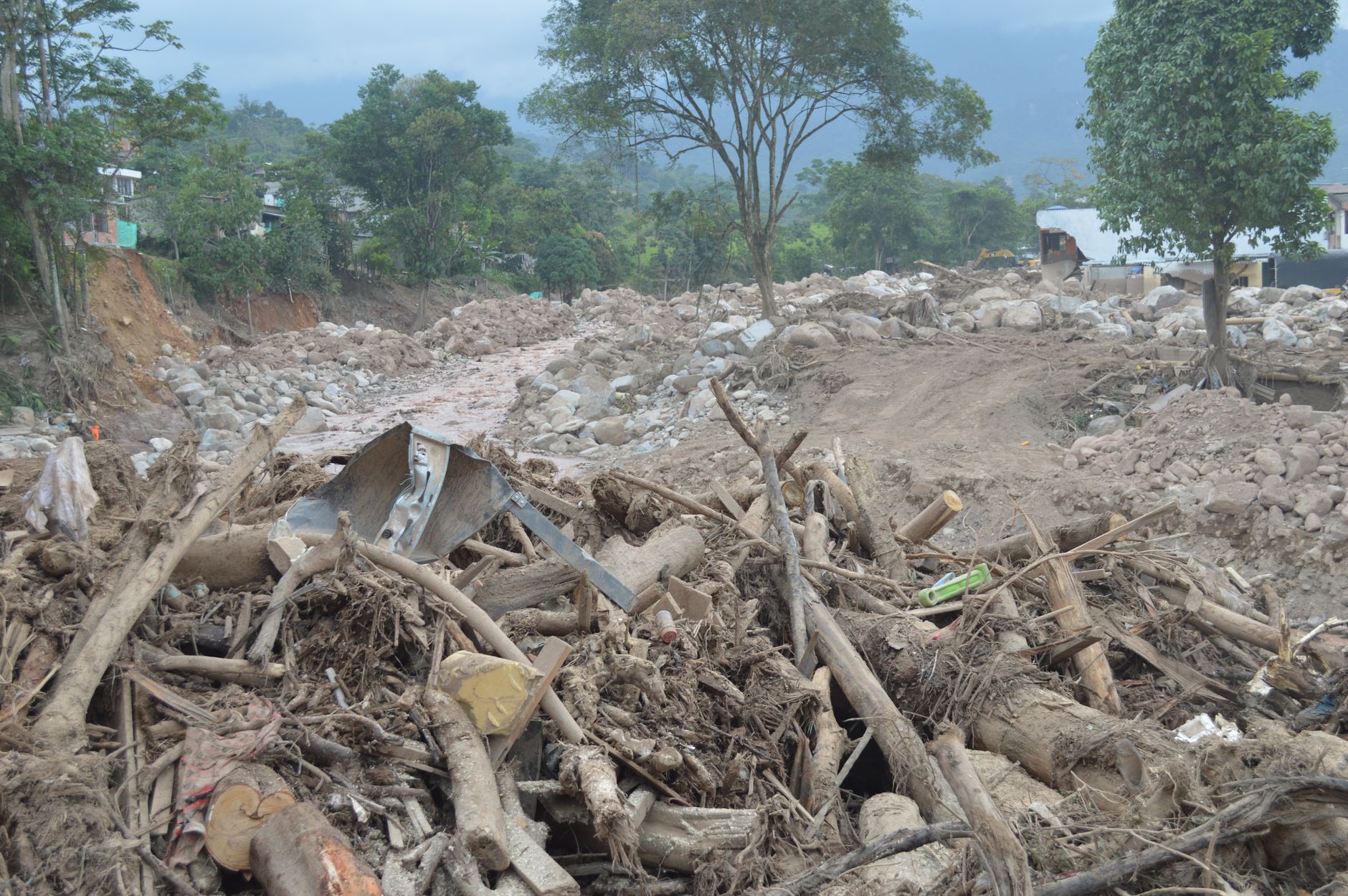
On June 24, 2026, heavy rainfall began to unleash chaos in Arunachal Pradesh, leading to flash floods and landslides that decimated roads and homes across the region. Initial reports indicate that entire villages were submerged, with rescue operations hampered by the very infrastructure that has crumbled under pressure. As of now, local authorities estimate thousands of individuals have been displaced, with significant casualties reported.
Emergency services have scrambled to respond, but their efforts are hindered by blocked routes and landslide-prone areas. The government has declared the situation a disaster, initiating a response that many believe comes too little, too late. The sheer scale of devastation raises alarming questions about the adequacy of disaster preparedness in a region prone to such extremes.
As recovery operations unfold, the focus is now shifting to mitigating future risks. However, one must wonder if the lessons from past disasters will be heeded, or if history will repeat itself. The urgency for a comprehensive policy overhaul regarding urban planning and disaster management has never been greater.
Who Is Affected?
The ramifications of this disaster stretch far beyond the immediate physical destruction, impacting various groups in profound ways. The residents of Arunachal Pradesh face the loss of homes and livelihoods, while local businesses grapple with the economic fallout. Furthermore, the government’s inability to provide timely relief adds to the distress of these communities, leaving them vulnerable and disillusioned.
- Local Farmers: Many farmers have lost their crops to flooding, which translates directly to food insecurity and loss of income. With agriculture being a primary source of livelihood, the long-term effects could be devastating for the local economy.
- Children and Families: Displaced families, especially children, face immense psychological trauma and an uncertain future. Access to education is severely disrupted, potentially impacting generations of young minds.
- Emergency Responders: First responders are facing overwhelming challenges as they work to assist those in need. The physical and emotional toll is significant, raising concerns about their capacity to handle future emergencies effectively.
Our Take
This flood is not merely an isolated incident; it is a wake-up call for India to confront its infrastructure shortcomings head-on. As climate change accelerates, the nation must accept that natural disasters will only become more frequent and intense. Ignoring these warnings in favor of short-term development goals is a perilous gamble.
Looking ahead, we must demand a reevaluation of how we approach infrastructure and disaster management. This disaster should spur an urgent dialogue among policymakers, engineers, and communities about creating resilient systems that can withstand nature’s fury. There is no room for complacency.
In conclusion, as Arunachal Pradesh faces the aftermath of this calamity, let it serve as a catalyst for meaningful change. We cannot afford to wait for the next disaster to strike before taking action. The time for bold reforms is now; otherwise, the next flood might not just wash away homes but also drown the voices of the very people we claim to protect.
📰 Source: Read original article | Editorially rewritten and analysed by BuzzWeave.