What Happened?
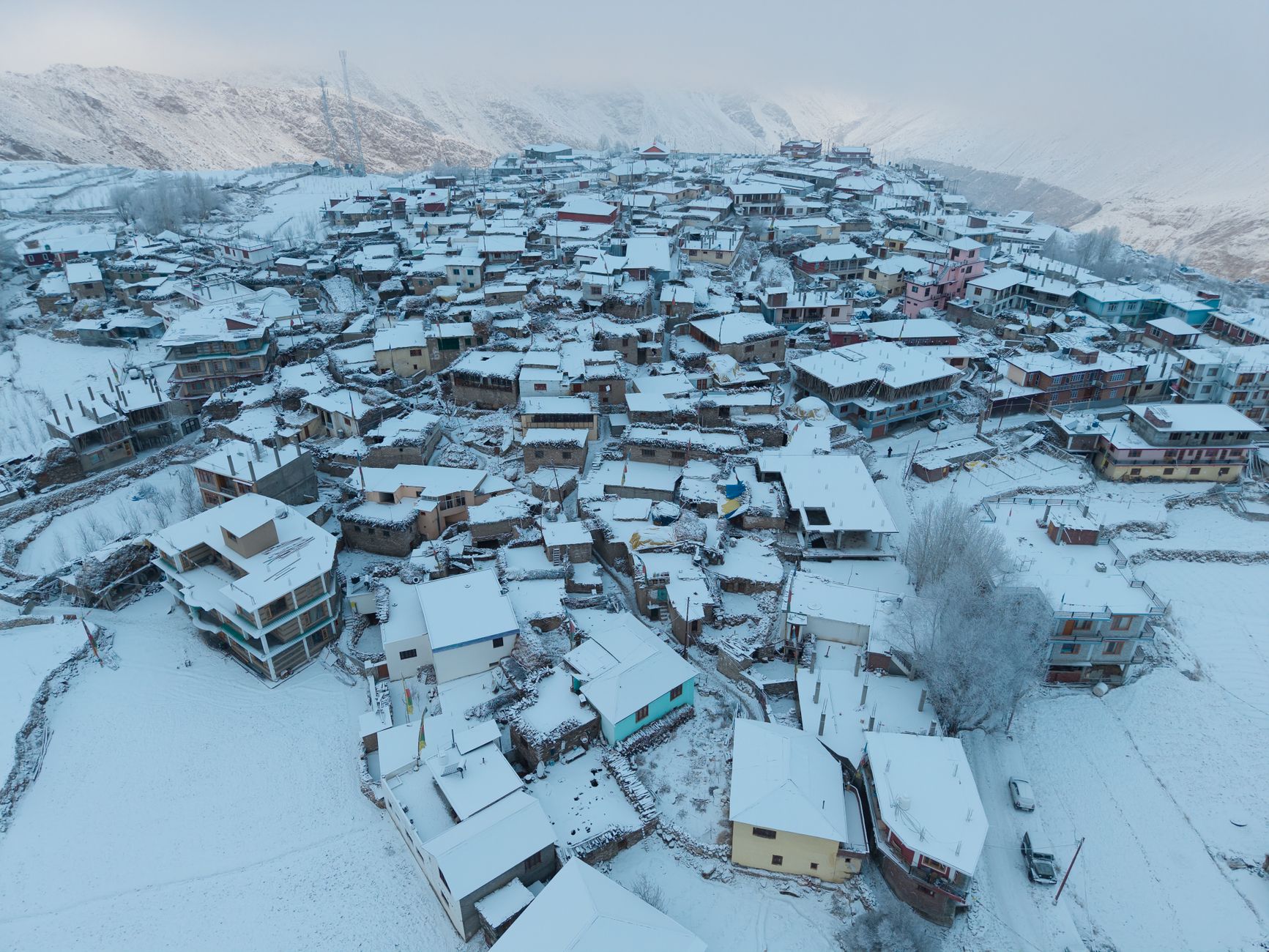
Lama Tsultrim, the spiritual leader of Lubra, recalls the founding of his village, a tale woven deeply into the fabric of Tibetan Bon culture. Nestled in a rugged valley in northwest Nepal, Lubra has been home to generations of Bon practitioners for over two centuries. As Tsultrim recounts the story of the walnut tree that symbolizes the village’s foundation, it becomes clear that this spiritual narrative is facing an unprecedented challenge—climate change. The once-thriving agricultural landscape is now marred by the devastating impacts of monsoon floods, exacerbating the village’s vulnerabilities.
The village has felt the effects of climate change acutely over the past decade. Tsultrim’s own home, once a shelter for his family, now lies abandoned, a casualty of relentless floods that have claimed significant patches of farmland. Fields that once flourished with crops and apple trees now resemble barren mud flats, rendering traditional livelihoods unsustainable for many families. The bitter irony is palpable: a village founded on resilience and faith is now shackled by the very forces of nature that once nurtured it.
As the river’s flow dwindles and the wooden doors of homes remain locked, the cultural fabric of Lubra begins to unravel. The loss of farmland not only threatens the immediate survival of the villagers but also jeopardizes the continuation of their sacred rituals and spiritual practices that have endured for centuries. The walnut tree, once a beacon of hope for the Bon community, now stands at the edge of an eroding precipice, a stark metaphor for the fate of Lubra itself.

Why It Matters
The plight of Lubra serves as a microcosm of a global crisis, where climate change touches every corner of the Earth, undermining traditions and cultures. As rising temperatures and erratic weather patterns create more frequent and intense natural disasters, communities like Lubra find themselves on the front lines of this battle. The erosion of agricultural practices, once so integral to their identity, reflects a broader trend affecting rural populations worldwide, emphasizing the urgency for sustainable solutions.
Moreover, the Bon faith is more than just a local belief system; it encapsulates a worldview that relates to nature, spirituality, and community. The potential extinction of such a culture raises questions about what we lose when we allow environmental degradation to prevail. As more villages face similar fates, the need for a concerted global response to climate change becomes increasingly vital, reminding us that the preservation of cultural heritage is intricately linked to the health of our planet.
Finally, the situation in Lubra highlights the interconnectedness of global economies and environmental policies. As rural communities continue to suffer, the effects ripple outwards, impacting markets, cultural tourism, and even international relations. The survival of unique cultures like Lubra’s is essential not only for the people who live there but for the rich diversity of human experience that shapes our world.
Impact on Consumers
Consumers globally may not immediately connect their daily choices with the struggles faced by a remote village like Lubra, yet the link is undeniable. The ongoing climate crisis touches products ranging from agriculture to tourism, reminding us that our decisions have far-reaching effects. As traditional crops diminish due to flooding and soil erosion, the availability and prices of certain goods may fluctuate, impacting food security far beyond the village.
– **Support Sustainable Practices:** Consumers can advocate for and support brands that prioritize sustainable and ethical sourcing. By choosing products that are environmentally friendly, they contribute to a marketplace that values ecological conservation and, by extension, protects cultures like the Bon faith.
– **Promote Cultural Awareness:** Engaging with and promoting awareness about endangered cultures can lead to increased interest in preserving them. This can take many forms, from tourism that respects and uplifts local traditions to educational initiatives that highlight their significance in the modern world.
– **Reduce Carbon Footprint:** Individuals can actively work to reduce their carbon footprints through small daily actions. From using public transportation to cutting down on plastic, these choices contribute to a broader movement that helps combat climate change’s harsh effects on communities worldwide.
BuzzWeave Analysis
The challenges faced by Lubra present a clarion call for action on climate change—a crisis that transcends borders and cultures. As global citizens, we must re-evaluate our relationship with the environment and recognize that the preservation of cultural identities is symbiotic with ecological sustainability. The situation in Lubra is a reminder that what happens in one part of the world can resonate widely, affecting everything from biodiversity to cultural diversity.
Looking ahead, we can predict that as climate change intensifies, more communities with rich cultural histories may find themselves on the brink of extinction. This necessitates a robust dialogue among policymakers, cultural advocates, and consumers to ensure that our global heritage is honored and preserved. The future of cultures like the Bon faith hinges on our collective ability to confront climate change head-on.
As we stand at this crossroads, let us remember: safeguarding our planet is synonymous with protecting our shared human heritage. The fate of Lubra may very well be a reflection of our own, urging us to act before the last roots of tradition are washed away forever.
📰 Source: Read original article | Editorially rewritten and analysed by BuzzWeave.