
The Big Picture
The geopolitical landscape surrounding the Strait of Hormuz has long been a powder keg, with Iran asserting its influence over this vital maritime corridor. Recent conflicts have underscored a relentless cycle of aggression and retaliatory strikes involving Iran, the U.S., and Israel, further complicating any hope for diplomatic resolutions. The backdrop includes the United States’ strategic partnerships in the region, which are being challenged by the IRGC’s latest military maneuvers and the newly brokered agreements between Israel and Lebanon that many view as provocative.
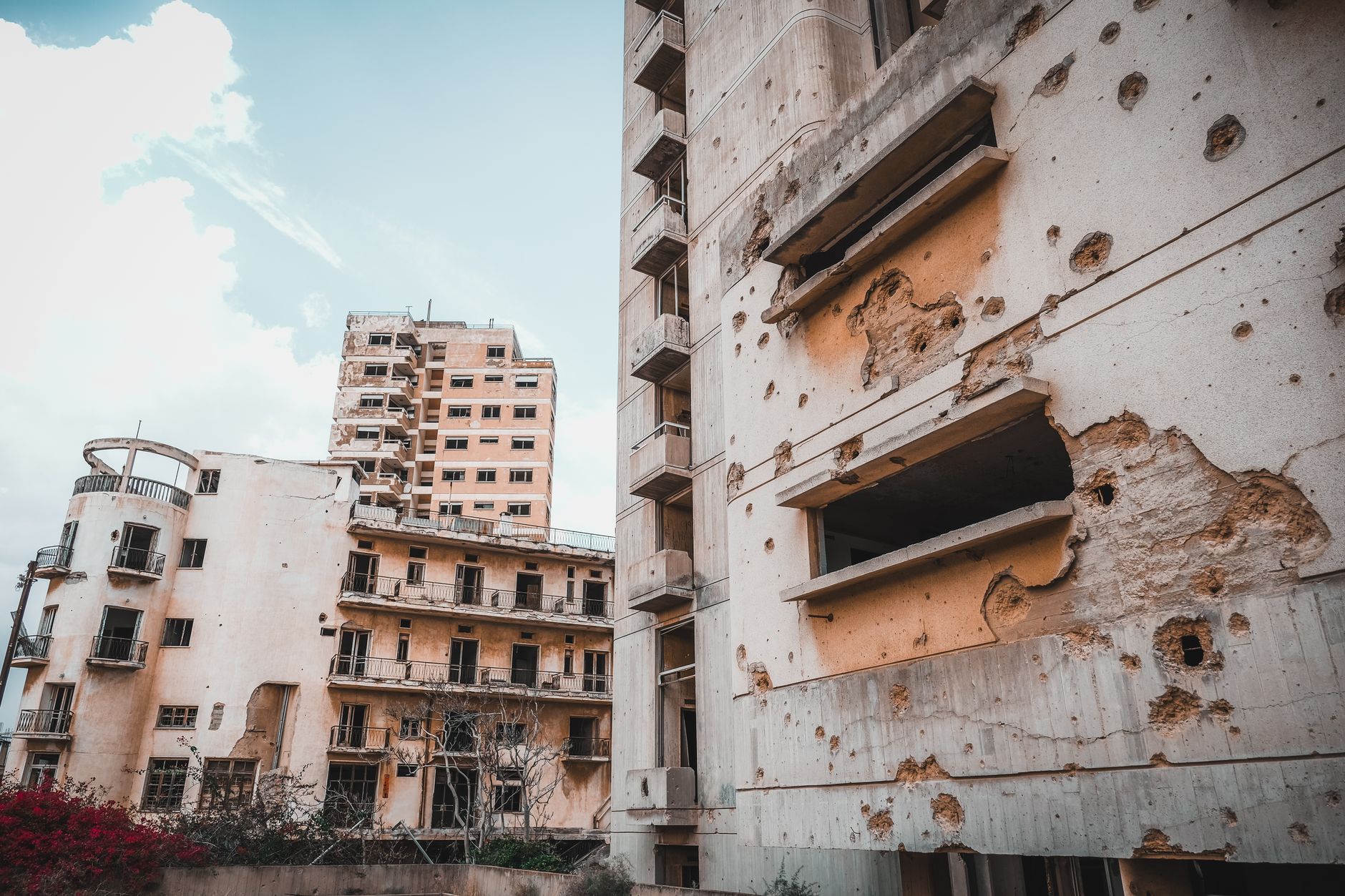
In this high-stakes game of geopolitical chess, the IRGC’s aggressive posturing is interpreted as a desperate yet calculated move to maintain Iran’s leverage. The signing of a memorandum of understanding (MoU) with the U.S. seemed to indicate a thawing of relations, but the IRGC’s retaliatory strikes have thrown this into jeopardy. With both sides exchanging fire and rhetoric, the potential for an explosive escalation remains dangerously high, raising questions about whether diplomacy is simply a façade in the face of military realities.
Breaking It Down
Over the past week, the IRGC launched ballistic missiles, starkly proclaiming that the U.S. would not get away with what they deem a “defeated war.” This came on the heels of U.S. military strikes targeting Iranian interests, including drone attacks on key installations in the region. Notably, the IRGC has shown it will not shy away from threats, vowing to retaliate further if the U.S. continues its military operations in the region. Simultaneously, the U.S. has sought to secure maritime traffic through the Strait of Hormuz, a critical artery for global oil shipments. This has led to new agreements that allow Israeli forces to maintain a presence in southern Lebanon, further escalating tensions with Iran-backed Hezbollah, which perceives this as an affront to Lebanese sovereignty. As negotiations stall, the underlying rivalries simmer, suggesting that the current state of affairs is far from stable.
Who Is Affected?
The implications of this escalating conflict are staggering, affecting not just regional powers but also global markets and diplomatic relationships. The Iranian populace faces the brunt of renewed sanctions and military actions, while U.S. military personnel remain on high alert, caught in a geopolitical tug-of-war.
- Iranian Citizens: Ordinary Iranians are likely to bear the economic consequences of intensified sanctions and military confrontations, resulting in increased inflation and scarcity of essential goods. The government’s aggressive stance may further alienate its populace, leading to internal unrest and dissatisfaction.
- U.S. Military Personnel: Troops stationed in the region face heightened risks due to the IRGC’s aggressive posturing and the potential for retaliatory strikes. As tensions escalate, the likelihood of direct military engagement increases, putting American lives on the line.
- Global Oil Markets: Disruptions in the Strait of Hormuz can cause significant fluctuations in global oil prices, impacting economies worldwide. Countries dependent on stable oil supplies may find themselves grappling with rising energy costs, which could lead to broader economic ramifications.

Our Take
The recent surge in Iranian aggression is a chilling reminder that diplomatic agreements are as fragile as the forces that uphold them. While the MoU between Iran and the U.S. initially appeared to offer a ray of hope, the IRGC’s actions demonstrate that military might often trumps words in the Middle East. The question now is not whether the U.S. will respond, but how aggressively it will escalate its own military posture in response to Iran’s provocations. As we watch this precarious situation unfold, the broader implications for U.S. foreign policy and regional stability cannot be understated. Are we witnessing the slow unraveling of a diplomatic approach that was already tenuous at best? If recent history has taught us anything, it’s that the path forward is fraught with peril, and a miscalculation could lead to catastrophic consequences for all involved. The world should be bracing for a storm, as the IRGC seems more committed than ever to shifting the balance of power in the region.
📰 Source: Read original article | Editorially rewritten and analysed by BuzzWeave.