The Big Picture
The current situation in the Middle East is a complex tapestry of historical grievances, geopolitical rivalries, and shifting alliances. Iran’s announcement to close the Strait of Hormuz comes in response to Israel’s ongoing military operations in Lebanon, intensifying fears of a broader regional conflict. This conflict is not only about territorial disputes but also involves issues of national identity, power, and international influence, particularly between Iran and Israel.
The region has been fraught with tension for decades, with Iran’s support for groups like Hezbollah in Lebanon often pitted against Israel’s military objectives. The recent attacks—reported to have resulted in the deaths of 16 individuals in Lebanon—have heightened those tensions, igniting fears of retaliatory actions that could escalate into a larger confrontation. Countries in the region, as well as global powers, are closely monitoring these developments, recognizing the potential for widespread repercussions.
Moreover, the Strait of Hormuz is a vital artery for global oil supplies, making any disruption to its accessibility a matter of international concern. Historically, around 20% of the world’s oil shipments pass through these waters, and any closure could lead to significant economic ramifications, not only for oil-dependent countries but also for global markets. As players on both sides of the conflict navigate this treacherous landscape, the stakes have never been higher.
Breaking It Down
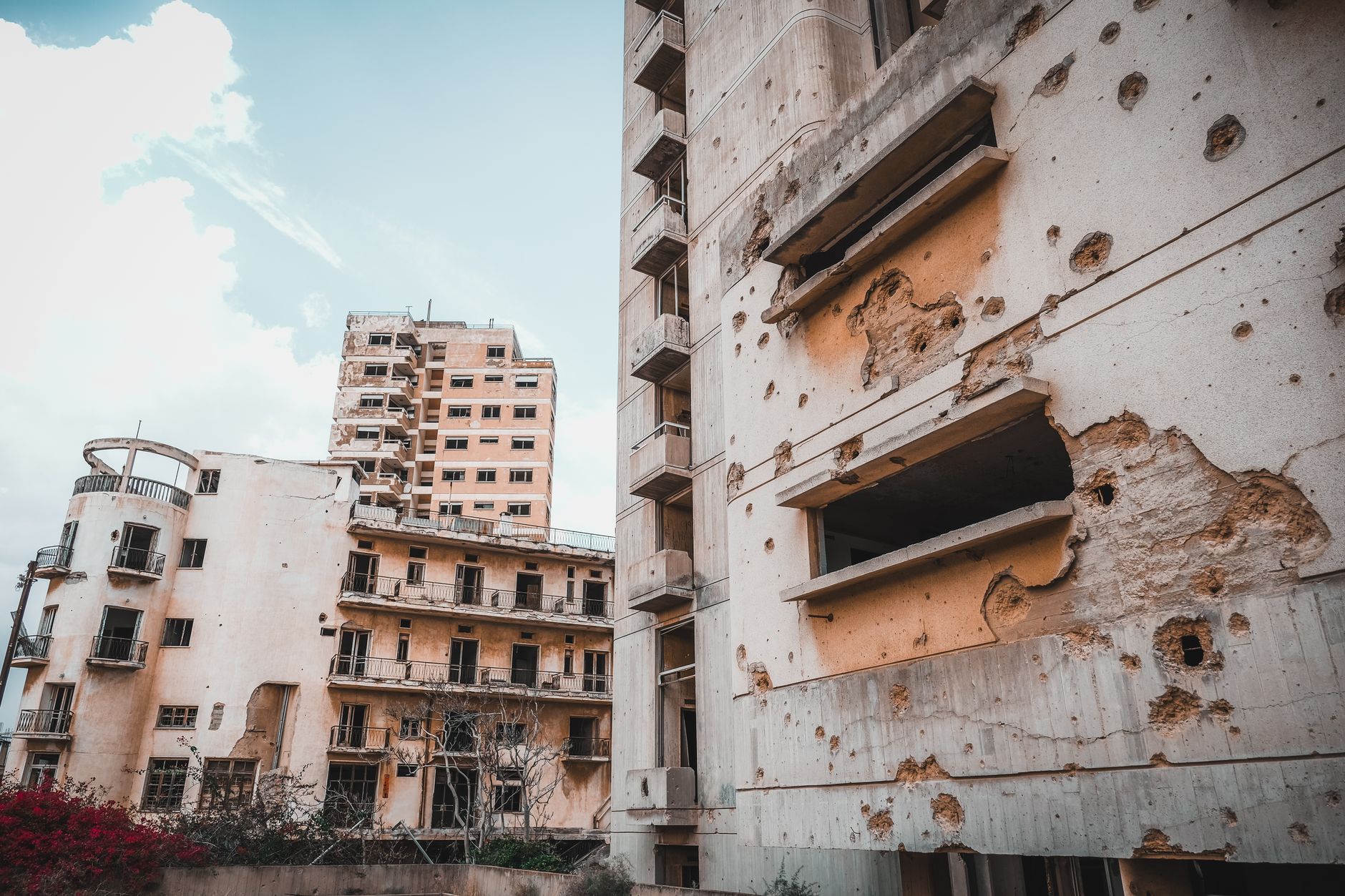
The situation escalated sharply over the past few days, when Israel launched a series of airstrikes in southern Lebanon, targeting suspected Hezbollah positions. The strikes were reportedly in response to rocket fire directed towards Israeli territory. Each attack has resulted not only in military casualties but also in civilian loss, further complicating an already volatile situation.
On the diplomatic front, Vance’s visit to Switzerland aims to facilitate talks among key international stakeholders, seeking a pathway to de-escalation. These discussions are crucial, as they come at a time when Iran’s leadership has indicated a readiness to take drastic measures, such as closing the Strait of Hormuz. This announcement signifies Iran’s willingness to leverage its control over this critical shipping route as a strategic tool in its broader conflict with Israel.
As tensions mount, military responses are becoming increasingly unpredictable. Both Iran and Israel have significant military capabilities, and the potential for miscalculation is high. With reports of simultaneous troop movements and military readiness on both sides, the international community is on alert, fearing that a localized conflict could spiral out of control.
Who Is Affected?
The ramifications of these developments extend far beyond the immediate actors involved. The regional population, particularly those in Lebanon and southern Israel, face the immediate threat of violence and instability in their daily lives. Additionally, global oil markets are poised for drastic shifts, affecting economies worldwide.
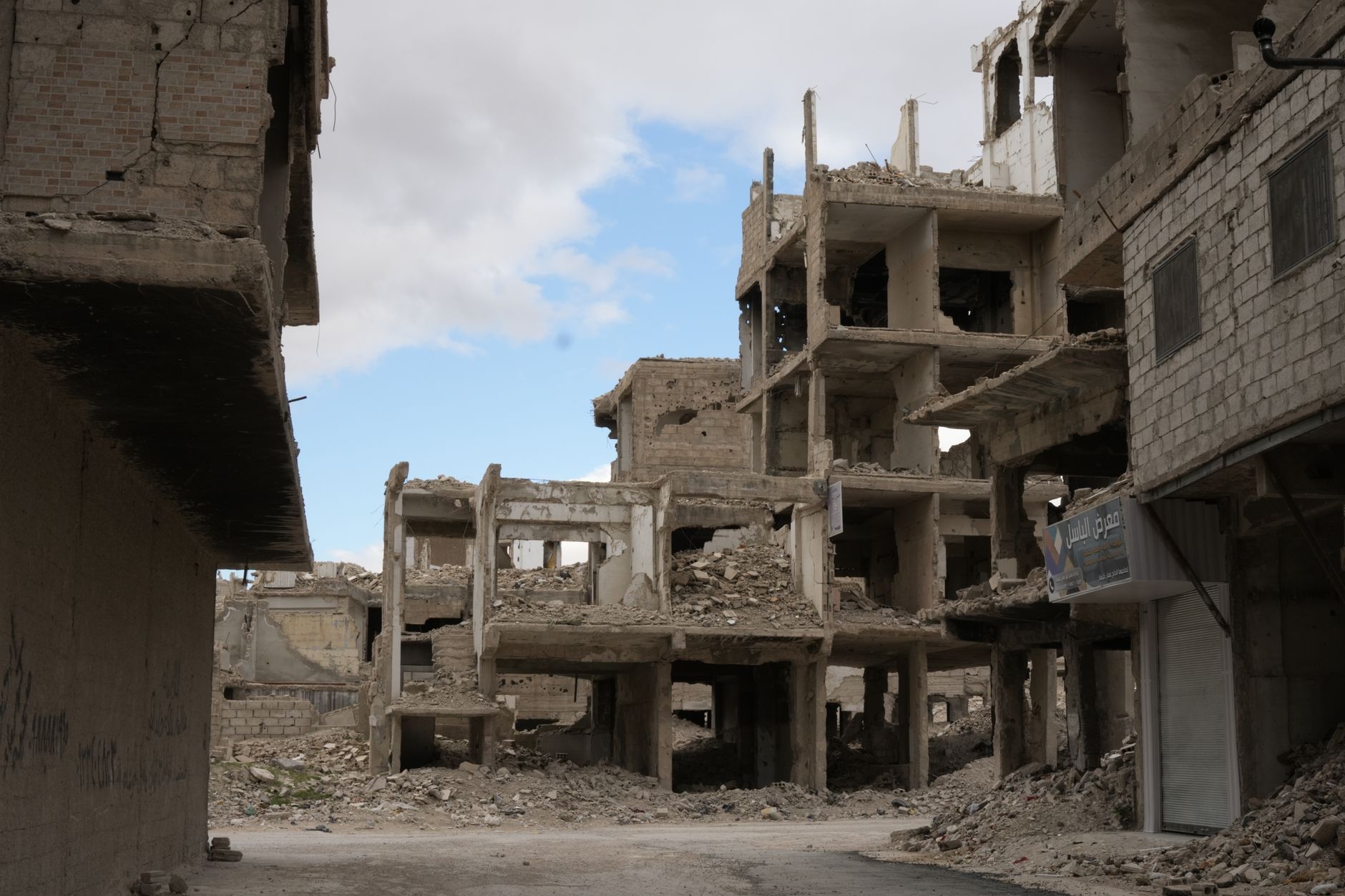
- Civilians in Lebanon: Those living in border regions are experiencing heightened anxiety and violence, with airstrikes leading to casualties and displacement. The ongoing conflict disrupts daily life, impacting access to resources and essential services.
- Israeli citizens: With rockets being fired into Israeli territory, the populace is facing the fear of attacks and the resultant military responses from their government. This escalates tensions domestically, influencing public sentiment towards security policies.
- Global oil consumers: Any closure of the Strait of Hormuz could lead to significant increases in oil prices, affecting everything from transportation costs to inflation rates globally. Economies reliant on stable oil prices will likely see ripple effects from these geopolitical tensions.
Our Take
As the situation unfolds, it is crucial to recognize the delicate balance of power in the region. The closure of the Strait of Hormuz could trigger not just military responses but also economic fallout that resonates far beyond the immediate conflict area. Countries around the world will be watching closely, aware that any disruption in oil supplies could lead to instability in global markets.
The international community must act with urgency, prioritizing diplomatic channels to prevent further escalation. Current efforts led by diplomats like Vance are essential; however, the effectiveness of these talks will likely hinge on the willingness of both Iran and Israel to de-escalate and seek common ground. History shows that crises of this nature can spiral quickly, leading to unintended consequences.
Ultimately, the hope is for a resolution that prioritizes human life and regional stability over military might. In a world increasingly interconnected, the repercussions of actions taken today will echo for years to come, reminding us all of the fragility of peace in the face of entrenched conflict.
📰 Source: Read original article | Editorially rewritten and analysed by BuzzWeave.