
The Big Picture
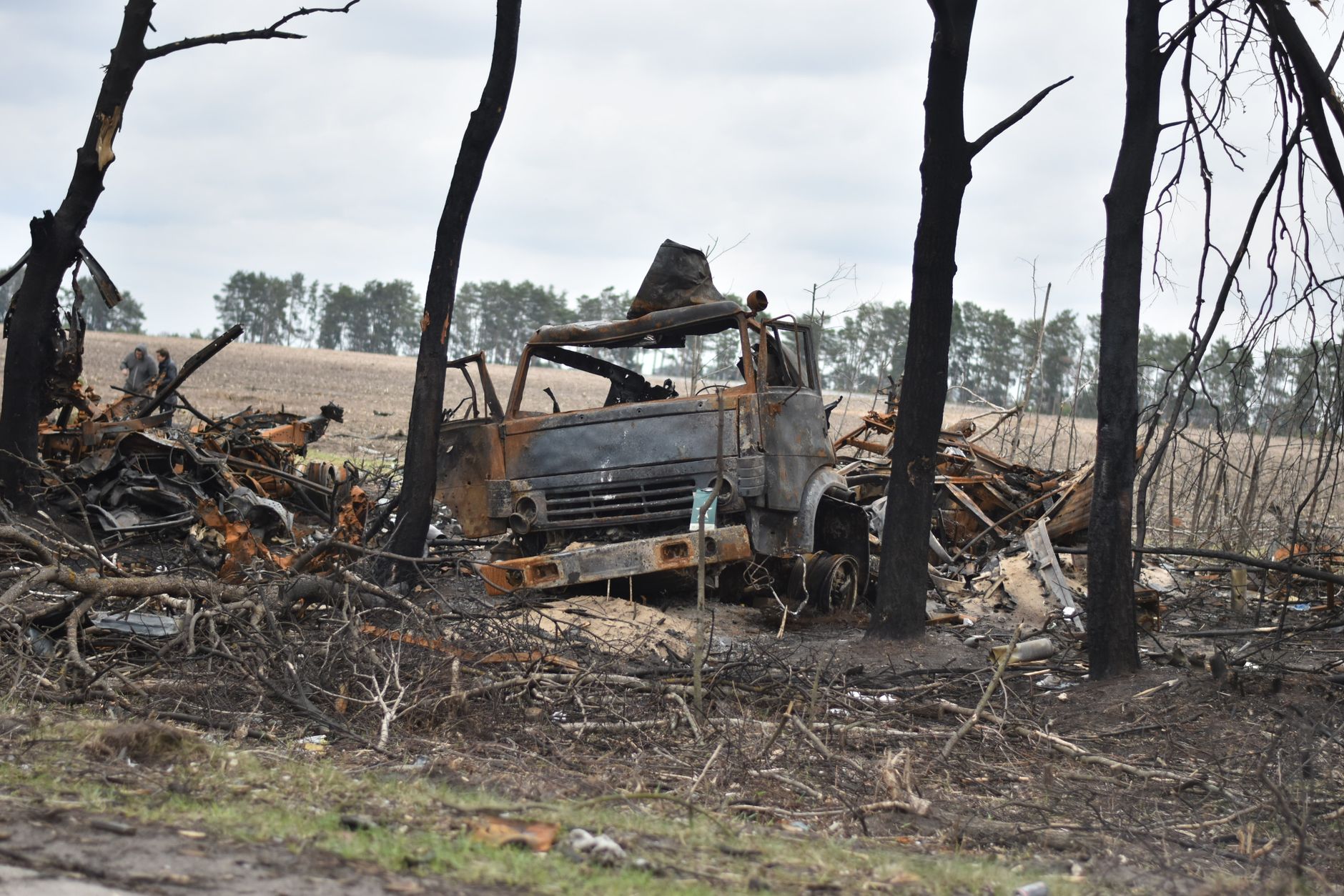
The Russia-Ukraine war, which began in February 2022, has evolved into a protracted conflict marked by significant territorial battles and human suffering. As of mid-2026, the situation has escalated further, with both nations reinforcing their military strategies. Ukraine’s military efforts, bolstered by Western support, have increasingly focused on targeting Russian supply lines and energy infrastructure, exposing vulnerabilities in Russia’s operational capabilities. Putin’s government has consistently emphasized its commitment to what it describes as a necessary operation to protect its national interests. This narrative includes a portrayal of Ukraine as the aggressor, compelling Moscow to reject any proposals perceived as weakness. The rejection of Ukraine’s call to limit long-range strikes underscores a broader strategy of attrition, where both sides aim to exhaust each other’s resources and morale. In this tense environment, public sentiment within both Russia and Ukraine plays a crucial role in shaping the conflict’s trajectory. While Ukrainian citizens rally around their national defense, Russian citizens are faced with the realities of prolonged military engagement, which could affect domestic support for Putin’s government. This context of rising tensions and military posturing sets the stage for a complex path forward in peace negotiations.
Breaking It Down
In a recent interview, Putin remarked that Ukraine’s proposal for a mutual halt on long-range attacks stemmed from the pressures faced by its armed forces along the extensive front lines. This rejection aligns with Russia’s ongoing strategy of counterattacks, which they describe as “stronger and more destructive.” Notably, Ukrainian President Volodymyr Zelenskyy emphasized the importance of these strikes as vital to diminishing Russia’s war capabilities. Ukrainian forces have successfully executed long-range drone strikes against significant Russian oil refineries, disrupting fuel supplies critical to Russia’s military operations. These targeted attacks reflect a strategic shift aimed at crippling Russia’s resource logistics, with strikes reported as far as 700 kilometers from the front lines. While casualties from these strikes on Russian territory have been reported, they also illustrate Ukraine’s commitment to turning the tide in this drawn-out conflict. Meanwhile, Putin acknowledged the necessity of enhancing Russia’s air defense systems in response to the increased frequency and effectiveness of Ukrainian drone strikes. This defensive measure indicates a recognition of the evolving battlefield dynamics, as both sides adapt their military strategies in real-time. The implications of these developments could set critical precedents for future engagement strategies on both sides.
Who Is Affected?
The ongoing conflict and the rejection of limits on missile strikes have far-reaching implications for multiple groups, shaping lives and geopolitical realities. As the war drags on, civilians in both nations bear the brunt of the escalating violence and uncertainty, marking a humanitarian crisis that demands urgent international attention.
- Civilians in Ukraine: They face the burgeoning threat of airstrikes and drone attacks, leading to casualties and damage to infrastructure. The need for shelter, basic necessities, and support systems grows dire as the conflict continues unabated.
- Russian military personnel: With intensifying warfare, Russian soldiers are increasingly exposed to counterstrikes, resulting in higher casualties. The pressure to maintain morale and effectiveness under such conditions poses significant challenges to troop dynamics.
- International community: Global powers are compelled to reassess their diplomatic and military strategies regarding both Russia and Ukraine. The refusal to limit long-range strikes complicates efforts for peace, raising concerns about regional stability and international security frameworks.

Our Take
The rejection of Ukraine’s missile limitation proposal by Putin signals a potentially escalating phase in the ongoing conflict, with no clear end in sight. As military strategies evolve, it is evident that both sides are entrenched in a war of attrition, each believing that continued hostilities will yield a favorable outcome. This dynamic raises critical questions about the possibility of effective peace negotiations in the near future. The implications of sustained military engagement extend beyond battlefield victories; they threaten to undermine regional stability, with reverberations felt across Europe and beyond. The humanitarian toll continues to rise, demanding urgent action from the international community to address the plight of affected populations. It is imperative that diplomatic avenues remain open, even as both Ukraine and Russia remain firm in their respective positions. Ultimately, the ongoing conflict exemplifies the perilous nature of modern warfare where diplomatic solutions are overshadowed by military ambitions. As the situation develops, the world watches closely, hopeful for a shift towards dialogue rather than destruction, but increasingly aware of the challenges that lie ahead.
📰 Source: Read original article | Editorially rewritten and analysed by BuzzWeave.
Related posts:
 Iraq’s Bold Move: 47 Officials Arrested in Anti-Corruption Drive
 Exploring Resilient Coral Reefs: The Key to Future Marine Ecosystems
Israeli Perspectives on the Iran-US Agreement: Tensions and Critiques
Exploring Resilient Coral Reefs: The Key to Future Marine Ecosystems
Israeli Perspectives on the Iran-US Agreement: Tensions and Critiques
 Apple Raises Prices Amid Memory Crisis: What It Means for Consumers
 OpenAI and Broadcom Unveil Game-Changing Chip for LLMs
 Anthropic’s Mythos 5: Limited Access Granted Amidst Controversy