
The Big Picture
The tech industry is currently experiencing a tumultuous phase, characterized by supply chain disruptions and rising costs, especially in memory components. This shift is largely influenced by the surge in demand for memory from data centers, primarily driven by the explosive growth of artificial intelligence applications. As chipmakers prioritize these lucrative contracts, consumer electronics manufacturers like Apple find themselves squeezed, facing a shortage of essential components for their products.
Additionally, geopolitical tensions and ongoing pandemic-related challenges have compounded these supply constraints, further driving up prices. The result is an environment where consumers are not only confronted with higher purchase prices but also a more limited selection of available products. This scenario is prompting manufacturers to make difficult decisions, often leading to price adjustments that are passed down to the end-users.
As the landscape continues to evolve, companies that have historically maintained stable pricing strategies are now grappling with the reality of inflationary pressures. Apple, long known for its premium pricing, is now navigating these turbulent waters by increasing its prices, a move that could alter consumer perceptions and buying behaviors in the long run.
Breaking It Down
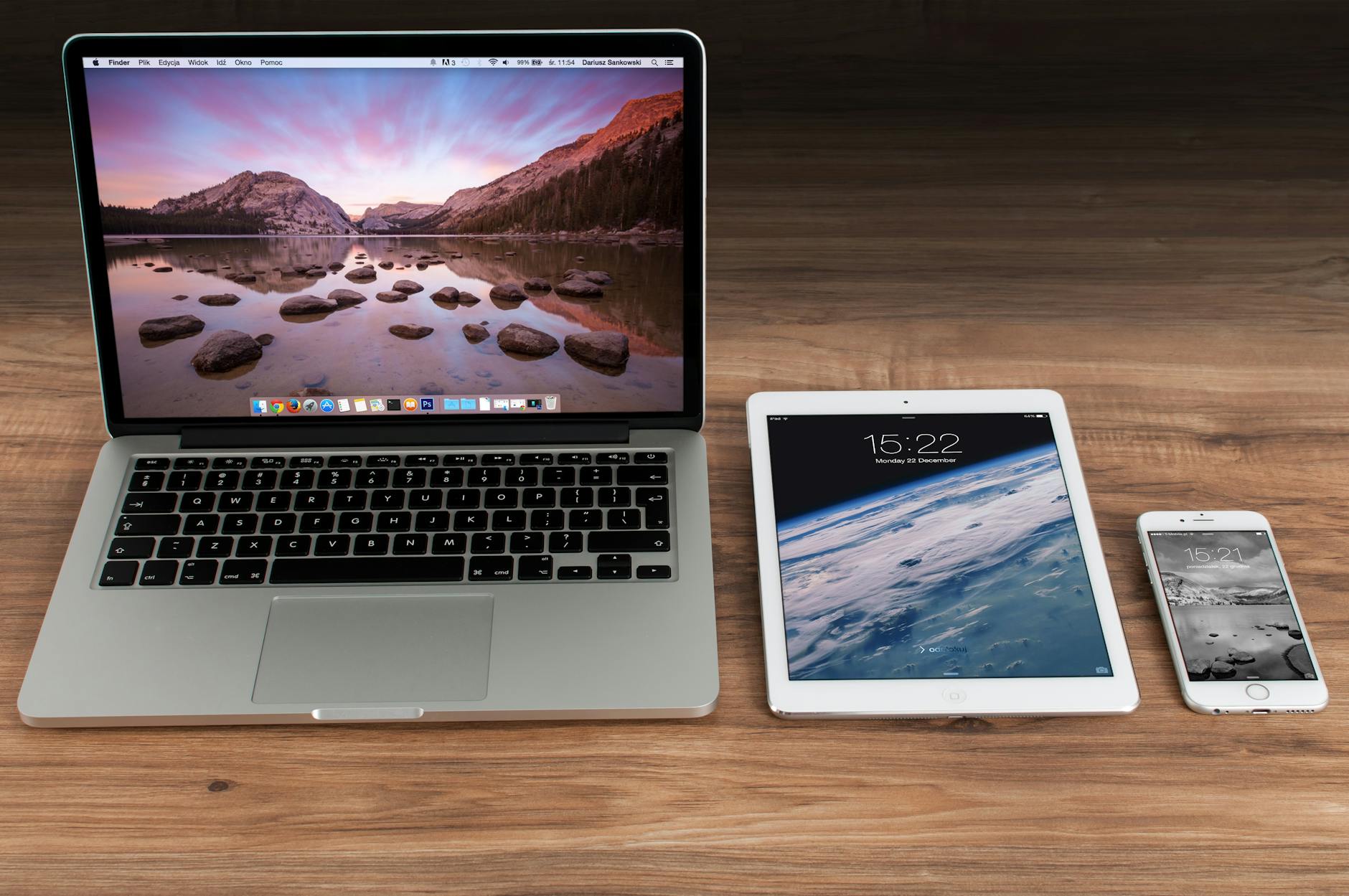
Recently, Apple announced price increases across its product lineup, with entry-level models seeing significant hikes. For instance, the MacBook Neo rose from $599 to $699, while the iMac jumped from $1,299 to $1,499. The premium M5 MacBook Pro now costs $1,999, up from its previous price of $1,699, and the high-end M3 Ultra Mac Studio experienced an astounding increase of $1,300, now priced at $5,299. Additionally, Apple’s iPad lineup is also facing increases between $100 and $200, reflecting the pervasive nature of this pricing trend.
Tim Cook, Apple’s CEO, addressed these changes in a recent interview, citing the dramatic rise in memory costs as a primary factor. He noted that while Apple has attempted to shield customers from these price increases, the situation has become untenable. The implications of this shift are felt across the industry, where supply shortages and rising costs have forced companies to reevaluate their pricing strategies, often leading to similar price hikes.
This pricing adjustment comes at a time when consumers are already facing inflation across various sectors, making the decision to increase prices particularly contentious. Apple’s long-standing reputation for premium products is now intertwined with these unavoidable cost pressures, raising questions about the future of consumer electronics pricing and availability in the broader market.
Who Is Affected?
The repercussions of Apple’s price increases extend to several key groups within the tech ecosystem, influencing purchasing decisions and market dynamics. For loyal Apple customers, these hikes may lead to reconsiderations of their brand loyalty and product choices, as the financial burden of upgrading increases significantly. Additionally, tech enthusiasts and professionals reliant on Apple products for their work might face budget constraints that could alter their purchasing behavior.
- Apple Customers: Existing and potential customers will feel the pinch as they weigh the value of Apple products against these rising costs. Many may opt for older models or explore competitor products offering similar features at lower prices.
- Retailers: Retailers carrying Apple products will also face challenges as they navigate inventory management amid fluctuating prices. This shift could lead to decreased sales volume as consumers hesitate to commit to higher price points.
- Tech Industry Stakeholders: Investors and industry analysts will be closely monitoring Apple’s performance post-price hike. A sustained decline in sales could impact investor confidence and signal broader trends within the tech market regarding pricing power and product demand.

Our Take
Apple’s decision to increase prices is emblematic of larger trends affecting the tech industry, where supply chain issues and rising material costs are becoming the new normal. As companies like Apple grapple with these challenges, consumer sentiment is likely to shift, impacting brand loyalty and purchasing habits. The tech landscape is evolving, and companies will need to adapt to these price pressures or risk alienating their customer bases.
Moving forward, it will be crucial to watch how Apple navigates this period of transition. Will they introduce more affordable alternatives, or are we seeing a long-term shift in how premium products are priced? The implications for consumers and the market at large are significant, warranting close attention as we watch for any signs of a reaction from both competitors and customers.
In closing, the increase in Apple’s product prices signals a pivotal moment not just for the company, but for the tech industry as a whole. Consumers should brace for ongoing fluctuations in prices and consider their options carefully in this challenging economic climate. The era of premium pricing without compromise may be coming to a close, urging both manufacturers and consumers to rethink their strategies in a rapidly evolving market.
📰 Source: Read original article | Editorially rewritten and analysed by BuzzWeave.