
The Big Picture
In an era where virtual reality is touted as the next frontier for entertainment and productivity, Meta’s latest offering seems more like a rehash than a leap forward. The Meta Quest 3S, a device that debuted just a couple of years ago, is now being sold at a price point that is more about perception than genuine value. This situation emerges in a competitive landscape where tech companies are vying for attention, and consumers are left grappling with rising prices that often don’t reflect substantial improvements in technology.
The forces at play here are significant. Following a price increase earlier in 2026, which hiked the cost of the headset from $299 to $349, Meta’s decision to “drop” the price back to the original MSRP raises eyebrows. This is a classic case of the tech industry employing pricing psychology, manipulating consumer perception to suggest that they’re scoring a deal when, in reality, they are just reverting to a price point that was expected.
As consumers, we are conditioned to respond to discounts and sales, but this situation calls for a critical eye. The technology sector is notorious for its strategies that blur the lines between genuine innovation and clever marketing schemes. As we dive deeper into the specifics of the Meta Quest 3S, we must scrutinize what this means for the future of VR and for consumers who are increasingly wary of being played by corporate tactics.
Breaking It Down
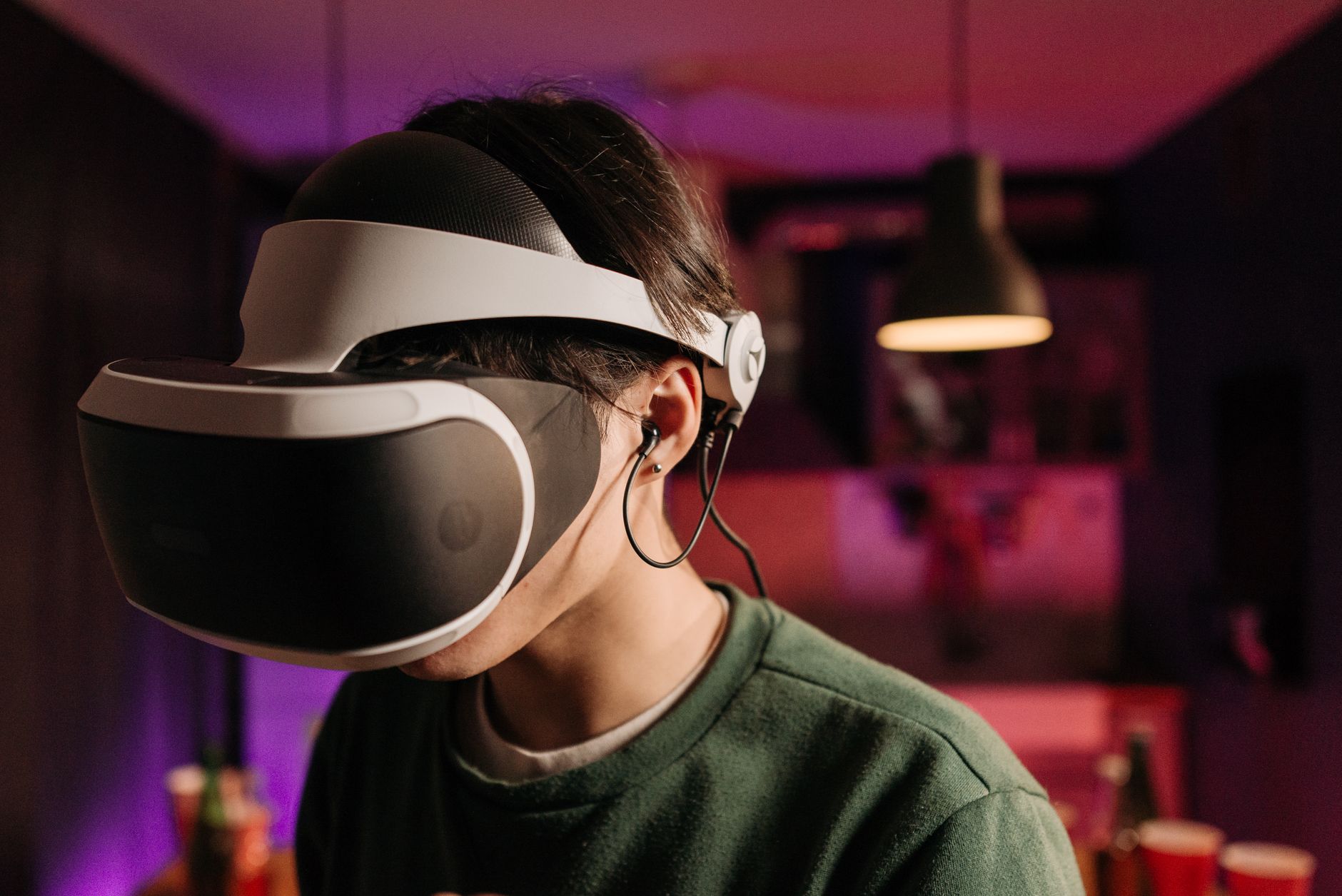
The Meta Quest 3S VR headset, featuring 128GB of storage, is currently available for $296.79, which is marketed as a $53 discount from its inflated price. Initially launched at $299.99 in 2024, the price was raised to $349.99, only for the current sale to bring it back to its original price. This rollercoaster of pricing is not just about numbers; it reflects a broader trend in the tech industry where value is increasingly questioned.
Upon closer inspection, the Quest 3S merges some elements from both its predecessor, the Quest 2, and the premium Quest 3. Despite being labeled as entry-level, it houses the same Qualcomm Snapdragon XR2 Gen 2 processor as the more expensive model. However, it retains the fresnel lenses from the Quest 2, lacking the advanced pancake lens technology that sets the pricier model apart in terms of visual fidelity.
This strategic positioning of the Quest 3S raises a vital question: is Meta genuinely catering to budget-conscious consumers, or are they merely attempting to capitalize on nostalgia and familiarity? The apparent gap in pricing and features suggests that this headset is more about maintaining a brand presence in a burgeoning market than offering groundbreaking technology. With the VR market in flux, the Meta Quest 3S stands at a crossroads that could redefine how consumers engage with virtual experiences.
Who Is Affected?
The implications of this pricing strategy extend far beyond mere dollars and cents. Consumers are caught in the crossfire, where they must navigate a landscape filled with hype but often lacking in true advancements. The cyclical nature of VR headset pricing could lead to consumer fatigue, where buyers become more skeptical of supposed “deals” in the future.
- Budget-Conscious Gamers: These consumers are looking for affordable yet high-quality gaming experiences. The perceived discount on the Quest 3S may lure them in, but they might feel disappointed once they realize they are not getting the value they expected.
- Tech Enthusiasts: Individuals who eagerly await groundbreaking technology will likely scrutinize the lack of innovation in the Quest 3S. They may feel let down by a product that seems to offer little more than a repackaged experience.
- Investors and Stakeholders: Meta’s pricing decisions could impact investor sentiment. If consumers view the pricing as manipulative, it may reflect poorly on the company’s long-term brand reputation and profitability.

Our Take
The question we must ask ourselves is whether Meta is genuinely serving its customers or simply engaging in a clever game of price manipulation. The Meta Quest 3S, while perhaps an adequate entry into the VR landscape, lacks the revolutionary spirit that tech enthusiasts crave. If the tech industry continues down this path of incremental upgrades paired with marketing gimmicks, we may see a wave of disillusionment among consumers who feel they are being taken for a ride.
Looking ahead, we should be watchful of how Meta and other tech giants navigate their pricing strategies in a market that is constantly shifting. Will they continue to inflate prices only to revert back to the old levels, creating a false sense of worth? The failure to deliver meaningful innovation alongside transparent pricing could lead to a serious backlash from a consumer base that is becoming increasingly savvy.
To sum it up, the Meta Quest 3S may not just be a headset; it symbolizes the ongoing struggle between what consumers expect and what they receive. As we sift through the smoke and mirrors of VR pricing, one thing is clear: consumers deserve better — and they should demand it.
📰 Source: Read original article | Editorially rewritten and analysed by BuzzWeave.