

The Big Picture
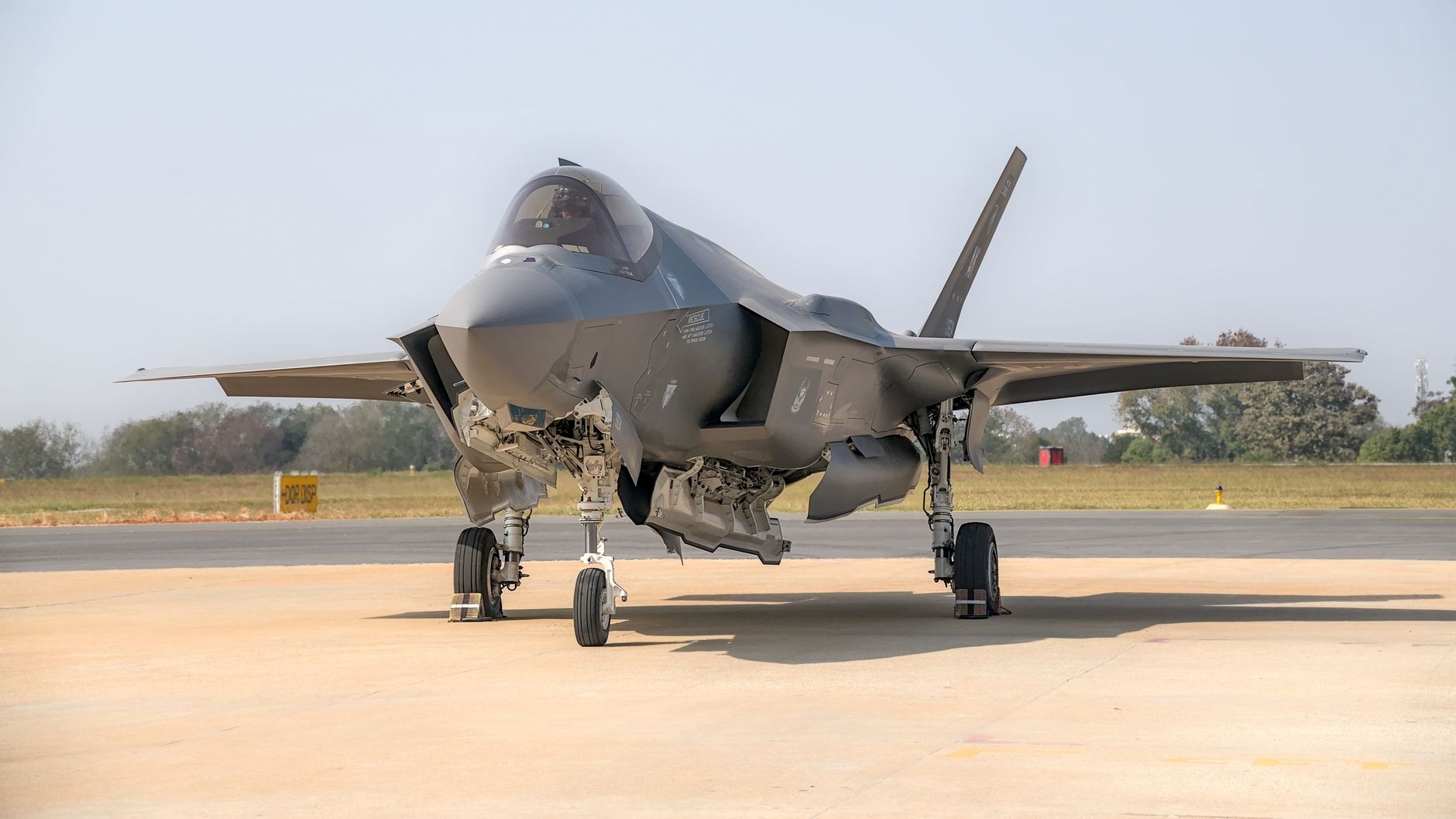
India’s aerospace ambitions have long been overshadowed by its dependence on foreign technology. The dream of an indigenous fighter jet engine dates back to 1986, when the Defense Research and Development Organization (DRDO) launched the Kaveri project. Fast forward to now, and the stakes are higher than ever: as global tensions rise and regional rivals enhance their airpower, India seeks not just to catch up but to lead in defense technology. The current battlefield is starkly different from the one envisioned decades ago. With China’s rapid military modernization and Pakistan’s consistent upgrades, India must unveil a formidable fifth-generation fighter jet that can hold its own against these adversaries. However, the engine that powers this dream—whether from Safran or Rolls-Royce—holds the key to turning this ambition into reality. Moreover, the landscape of global defense manufacturing is undergoing seismic shifts. The rise of new players, coupled with the established giants like Safran and Rolls-Royce, means that the choice of engine will not just affect the Tejas II but could potentially reshape India’s entire defense procurement strategy. This moment is not just about technology; it’s a test of India’s commitment to being atmanirbhar, or self-reliant.
Breaking It Down
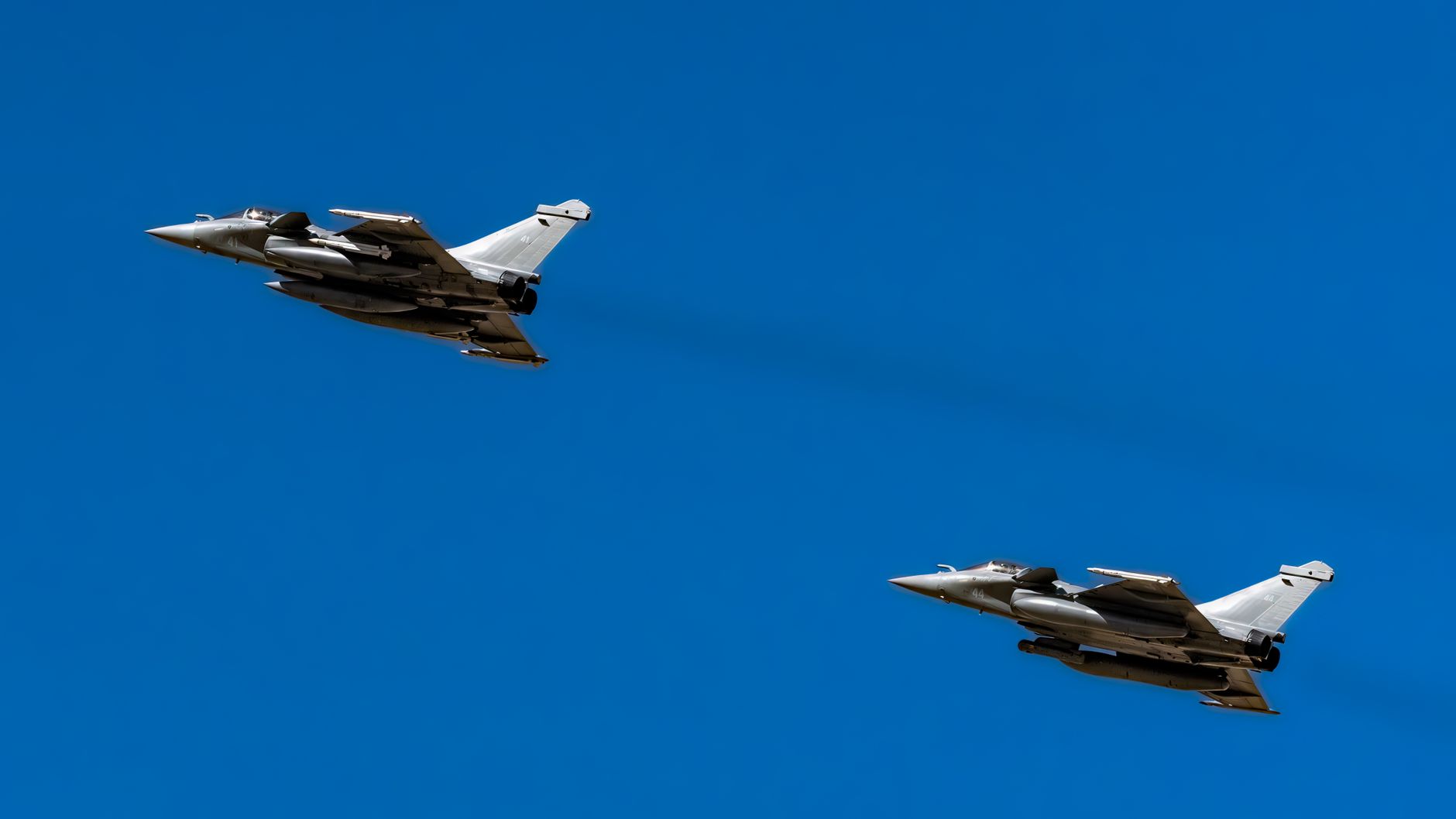
The saga of India’s fighter jet engines is riddled with both ambition and disappointment. The Kaveri engine, which was supposed to be a game-changer, has faced a litany of challenges, including staggering budget overruns and underwhelming performance metrics. With a target of 81 kilonewtons of thrust, the Kaveri has limped along at a mere 70.4 kilonewtons—even after more than three decades of development and nine prototypes. Now, as India sets its sights on the Tejas Mark II and beyond, the government is looking seriously at potential partnerships with global manufacturers. Safran, with its advanced technology and proven track record, is a strong contender—but so is Rolls-Royce, which has a reputation for reliability and excellence. With both giants keen to capture a piece of this lucrative market, the competition is fierce and unforgiving. Critical decisions are looming. Will India place its bets on the European powerhouse Safran, which offers cutting-edge engines? Or will it lean towards Rolls-Royce, known for its robust performance and support networks? The outcome of these negotiations and the subsequent decision could either reset India’s defense narrative or plunge it deeper into dependency on foreign technology—an outcome unthinkable in today’s geopolitical climate.
Who Is Affected?
The implications of this engine showdown extend far beyond just the manufacturers and the government. India’s indigenous defense capabilities hinge on this decision, affecting the nation’s technological sovereignty and military readiness.
- Indian Air Force: The air force is counting on these engines to power its next-generation fighters. Their operational readiness and effectiveness against adversaries depend significantly on this pivotal decision, making them the frontline stakeholders in this high-stakes game.
- Domestic Defense Industry: A partnership with either Safran or Rolls-Royce could catalyze growth in India’s defense manufacturing sector. This involvement could potentially lead to job creation and technological advancements for local industries, making it a crucial player in the defense supply chain.
- Taxpayers: The financial implications of this decision will ultimately fall on the taxpayers, who have already witnessed the Kaveri project’s cost overruns. Their investment in these engines must be justified by tangible results and improved national security, which raises the stakes even higher.
Our Take
As we watch this contest unfold, it’s clear that India stands at a crossroads. The choices made today will echo for decades, influencing not just the military landscape but the nation’s technological future. Will India embrace a radical shift towards self-reliance, or will it continue its trend of relying on foreign entities to fill critical gaps? The answer lies in how decisively and intelligently India negotiates with these formidable competitors. If the Indian government is truly committed to becoming a global defense powerhouse, it must ensure that this engine decision serves not just the immediate needs of the air force but also the long-term aspirations of the nation. Ultimately, this isn’t merely about selecting an engine; it’s about choosing a path. India’s defense future hangs in the balance, and it’s time for bold decisions that reflect a genuine commitment to being atmanirbhar. The clock is ticking, and the world is watching.
📰 Source: Read original article | Editorially rewritten and analysed by BuzzWeave.
Related posts:
 Brazil and Japan Battle to a Thrilling Draw in World Cup Showdown
 Supreme Court Denies Urgent Hearing on Ram Mandir Donation Probe
 Yadavagiri Embraces Green Initiatives for Sustainable Living
 Mastering the Art of Ending a TV Show: Lessons from From
 Venezuela’s Earthquake: Impacts on India’s Oil Imports
 Betrayal and Blame: The Dark Turns in Pune Murder Case