

What Happened?
In the lively neighborhood of Yadavagiri, residents have come together to address the pressing need for green spaces amidst urban development. The initiative, which began just six months ago, has seen over 200 community members participate in various activities ranging from tree planting to establishing community gardens. According to local organizers, the goal is to plant at least 1,000 trees by the end of 2024, contributing to better air quality and a cooler microclimate in the densely populated area.
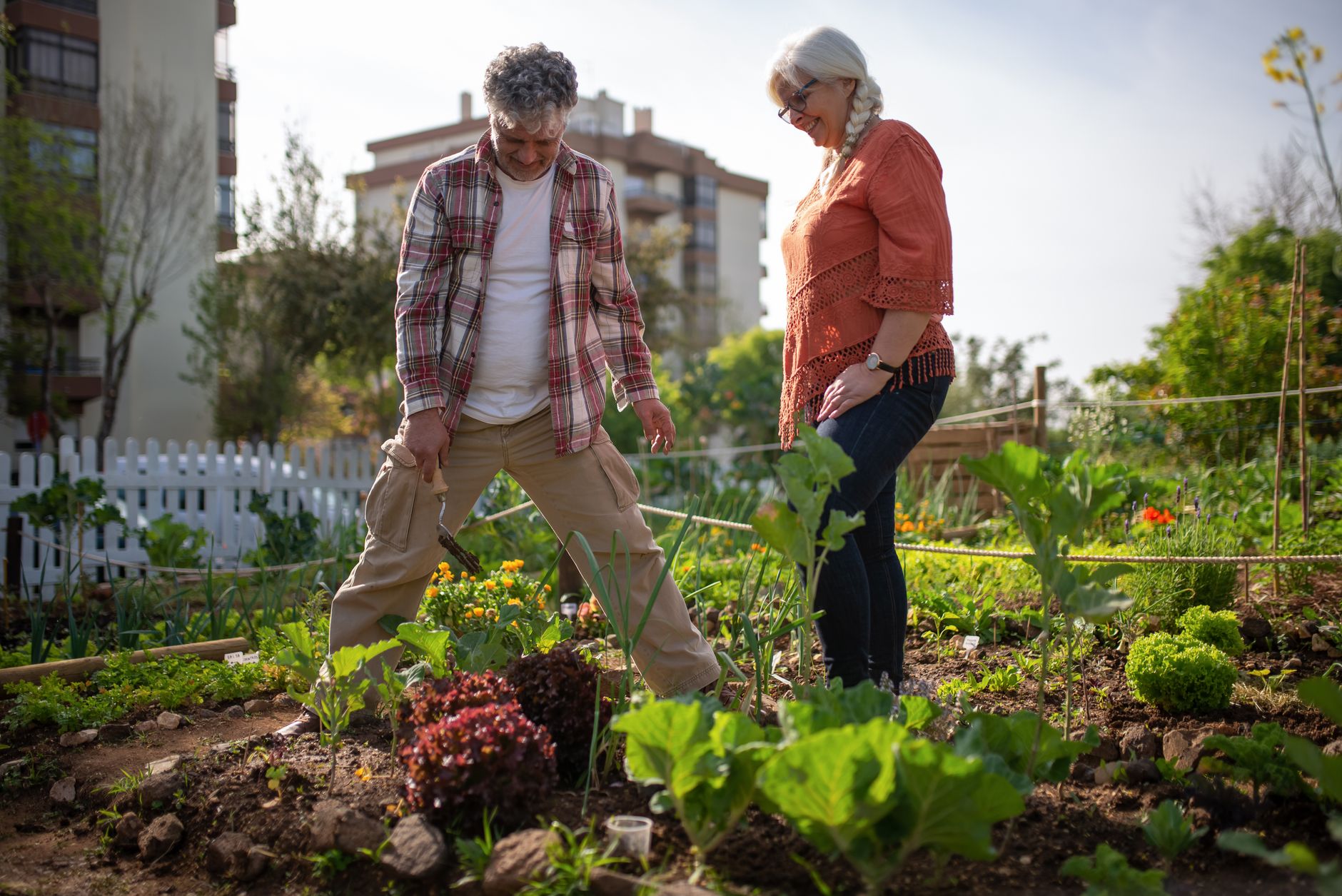
The movement was kickstarted by a small group of environmental enthusiasts who recognized the lack of accessible green spaces, which can negatively impact mental health and biodiversity. Local schools are also getting involved, with students learning about ecology and the benefits of native plants while helping maintain the gardens. Feedback has been overwhelmingly positive, with many residents reporting increased community spirit and a renewed appreciation for nature right outside their doors. The push for greener spaces stands as a powerful reminder of the impact local action can have in the face of widespread environmental challenges. As Yadavagiri’s residents take ownership of their surroundings, they are not only creating a sustainable habitat but also fostering connections that extend beyond their immediate community, setting an example for other neighborhoods across the region.
Why It Matters
The surge in community-led green initiatives reflects a larger global trend: the increasing recognition of urban green spaces as essential for environmental health and human well-being. Research shows that urban greenery can reduce heat by up to 5 degrees Celsius, significantly mitigating the effects of urban heat islands exacerbated by climate change. Moreover, these initiatives can serve as a model for cities worldwide grappling with similar ecological issues, encouraging diverse approaches to urban planning. Sustainability is no longer merely a buzzword; it has become a necessary framework for urban development as populations continue to grow. The World Health Organization has highlighted the importance of green spaces for mental health, and local initiatives like those in Yadavagiri contribute to broader public health goals. As more neighborhoods prioritize sustainability, they are likely to see measurable improvements in both community cohesion and environmental stewardship. Furthermore, the push for greener urban spaces is gaining traction among policymakers, with many cities adopting strategies to enhance their green infrastructure. For Yadavagiri, the success of these initiatives could spark a domino effect, inspiring neighboring communities to take similar actions, thus amplifying the overall impact on local and global ecosystems.
Impact on Consumers
For local residents, the movement towards a greener Yadavagiri offers tangible benefits, from improved air quality to enhanced recreational spaces. As urban environments become increasingly concrete-laden, access to green spaces can positively influence physical and mental health, encouraging outdoor activities and fostering social connections.
- Community gardens not only beautify neighborhoods but also provide fresh produce, promoting healthier eating habits. Residents can engage in gardening, learning valuable skills while enjoying the therapeutic effects of tending to plants.
- Increased green spaces can lead to higher property values. Studies indicate that homes near parks or community gardens can see a property value increase of 5-10%, making this initiative beneficial for homeowners in Yadavagiri.
- The overall reduction in urban heat will enhance quality of life, especially during the hot months. A cooler environment can make outdoor spaces more enjoyable, thereby encouraging greater community interaction and outdoor events.

BuzzWeave Analysis
As Yadavagiri sets a benchmark for urban sustainability efforts, it is essential to recognize the potential for replication in similar urban settings worldwide. Cities with limited green space can look to Yadavagiri as a successful case study, where community engagement transforms the local landscape. The movement showcases that when residents are empowered, they can drive significant changes that resonate far beyond their immediate surroundings. Looking ahead, the most significant challenge may be ensuring that these initiatives are not viewed as isolated efforts but as part of a larger strategy to combat climate change and enhance urban livability. If Yadavagiri continues to thrive as a model for sustainability, it could pave the way for policies that prioritize green space development in urban planning across the globe. Thus, as communities push for greener initiatives, the question remains not only about how to implement these changes but also how to sustain them in the long run. The journey toward a greener future for Yadavagiri is just beginning, but one thing is clear: community-driven action can redefine urban living, nurturing a healthier planet for generations to come.
📰 Source: Read original article | Editorially rewritten and analysed by BuzzWeave.
Related posts:
 How Anthropic may have talked itself into an AI export ban
 Rockstar Workers Union Push Ahead of GTA VI Launch
 Madurai’s Marathon: Running for Drug Awareness and Community Health
 Venezuela’s Earthquake Crisis: Race Against Time for Survivors
 US-Iran Talks Yield Roadmap for Future Cooperation
 France Confirms First Ebola Case: A Wake-Up Call for Global Health