

What You Need to Know
The mental health landscape in India is a pressing concern, particularly regarding suicide rates among men. Recent statistics reveal that over 72% of those who take their own lives are male, raising alarms about the psychological struggles faced by this demographic. Mental health issues often remain stigmatized, making it difficult for individuals to seek help or even discuss their feelings openly.
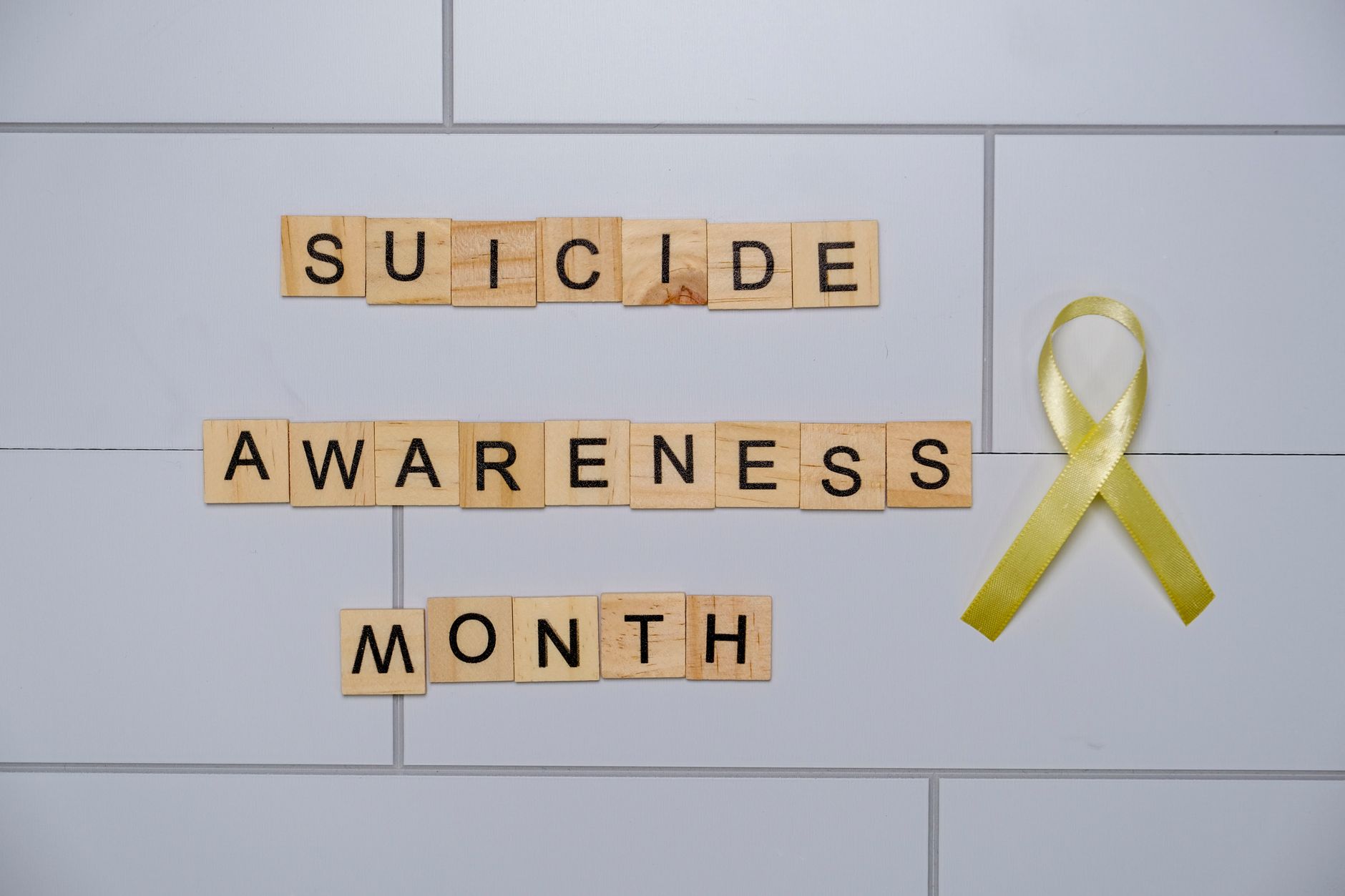
The complexity of male mental health in India is influenced by various factors, including societal norms that equate masculinity with emotional stoicism. Men are often conditioned to suppress their emotions, resulting in a lack of healthy coping mechanisms when faced with stress, depression, or anxiety. This societal pressure can create a dangerous cycle, where men feel isolated and are less likely to access mental health resources. Additionally, other contributing factors such as economic instability, job stress, and relationship issues exacerbate feelings of hopelessness among men, leading to tragic outcomes. The intersection of these elements reveals a critical need for targeted mental health interventions that consider the unique challenges faced by men in Indian society.
The Full Story
Historically, mental health has been a neglected area in India, particularly among men who have often been seen as the primary breadwinners. The cultural expectation to be resilient and unemotional can prevent men from acknowledging their mental health struggles. This long-standing stigma poses significant barriers to seeking treatment and support, which is vital for preventing suicide. In recent years, there has been a gradual shift in awareness around mental health, but much work remains to be done. Campaigns aimed at destigmatizing mental health issues are beginning to emerge, yet they often fail to reach those who most need help. Furthermore, traditional support systems may not be equipped to handle the specific needs of men, leading to a gap in effective mental health services. To truly address this crisis, a multifaceted approach is necessary. This includes educating society about mental health, creating safe spaces for men to express their feelings, and facilitating access to mental health services that are sensitive to gender-specific issues. Only then can we begin to see a reduction in these alarming suicide rates.
What Changes Now?
As awareness increases, we can expect a gradual transformation in how mental health is approached, especially among men. This shift brings hope that more men will feel empowered to seek help and engage in open conversations about their mental health struggles.
- Increased Awareness Campaigns: There will likely be more comprehensive campaigns focused on educating men about mental health. By addressing societal norms and stigmas, these efforts aim to encourage open discussions and reduce the barriers to seeking help.
- Improvement in Mental Health Services: Mental health services are expected to evolve to better cater to the unique challenges that men face. This includes not only accessibility but also creating male-friendly environments in healthcare settings.
- Community Support Programs: Initiatives that foster community connections among men are critical. Support groups and peer mentorship programs can provide safe spaces for men to share their experiences and struggles, ultimately reducing isolation.
Final Word
The shocking statistic that 72.8% of suicide victims in India are men should serve as a wake-up call for society. It highlights a crisis that demands urgent attention and action. By addressing the barriers that prevent men from seeking help, we can begin to save lives and improve mental health outcomes. Creating a culture that values emotional openness is essential for reshaping how mental health is perceived and managed among men. The road ahead is challenging, but the potential for positive change is within reach if society collectively commits to destigmatizing mental health and supporting those in need. Remember, addressing mental health is not just an individual responsibility; it is a collective societal duty.
📰 Source: Read original article | Editorially rewritten and analysed by BuzzWeave.
Related posts:
 5 Effective Home Remedies for Diaper Rash Every Parent Must Know
 Telegram Flagged as Drug Ad Hub: Implications for Security and Law
 Afghanistan’s Earthquake: A Wake-Up Call for Global Preparedness
 Understanding Silent Carriers: The Role of Genetic Testing in Thalassemia
 Tamil Nadu vs Centre: A Tug of War Over Cauvery Water Rights
 Massive Funding Surge: CRED and Square Yards Lead $1.1B in Indian Startups