
What You Need to Know
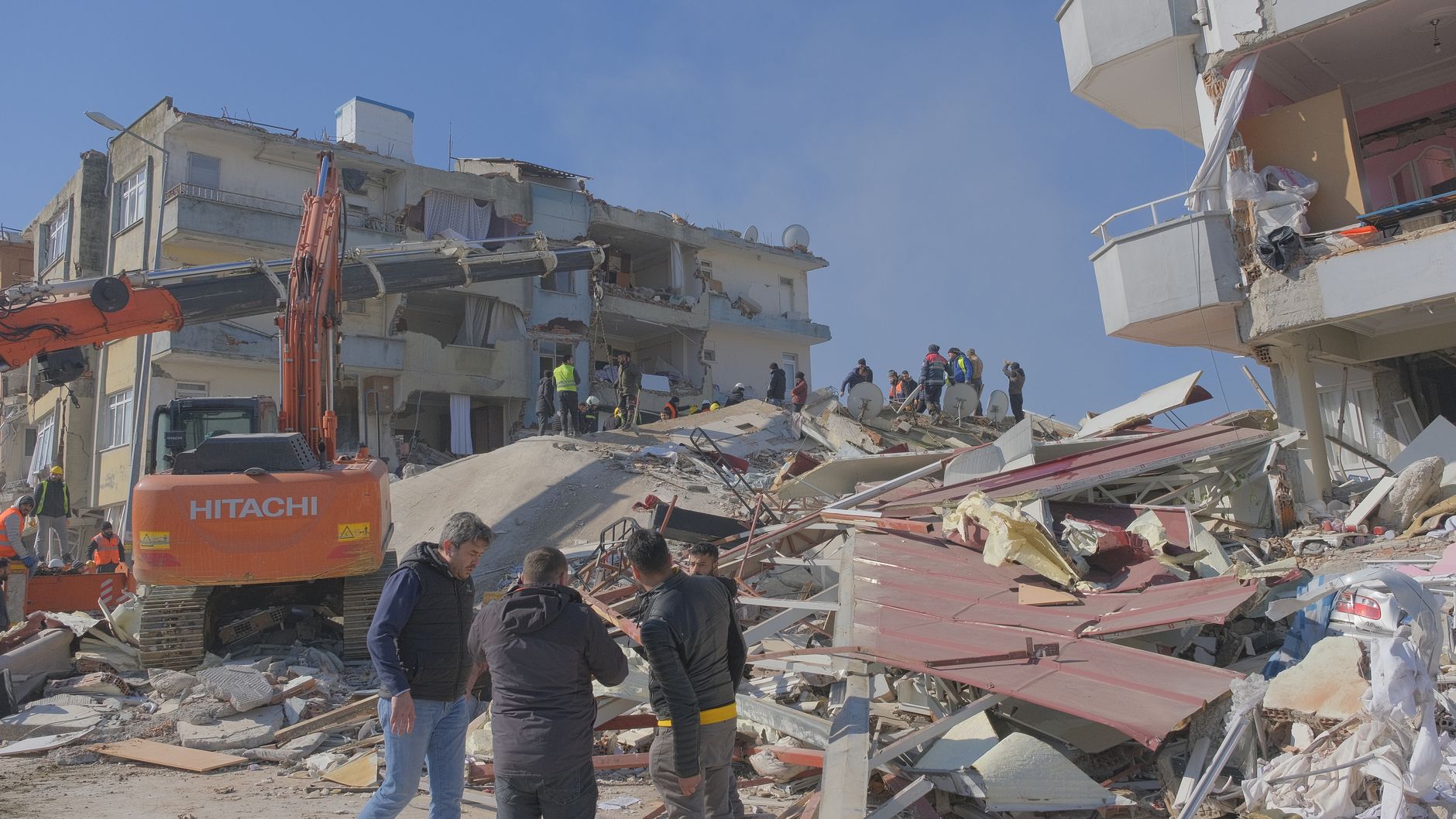
The recent earthquake in Afghanistan, registering a magnitude of 6.2, has sent shockwaves through the region, both literally and figuratively. With epicenters near the eastern mountainous areas, the effects were so pronounced that residents in parts of northern India reported feeling the tremors. Fortunately, initial reports indicate minimal casualties, but the psychological impact on the communities affected is undeniable. Seismic activity in this region is not new, but the scale of destruction that can occur from such earthquakes is often underestimated by both local populations and international observers. Afghanistan’s rugged terrain and lack of robust infrastructure exacerbate the potential for disaster, making even moderate earthquakes a serious threat. The aftermath of such events tends to reveal deep-seated vulnerabilities in emergency response systems. Moreover, this earthquake serves as a stark reminder of the geopolitical neglect that often plagues disaster-stricken nations. Aid often trickles in slowly, leaving communities to fend for themselves in the critical aftermath of such natural events. As the ground continues to settle, questions arise about what more could be done for countries like Afghanistan that are frequently overlooked in global disaster planning.
The Full Story
Earthquakes are a common occurrence in Afghanistan, largely due to the complex fault lines that traverse the country. This region has experienced significant seismic events in the past, but many of its inhabitants have yet to see meaningful investment in disaster preparedness. The lack of infrastructure not only amplifies the effects of tremors but also ensures that aid is slow in arriving. Historically, Afghanistan’s isolation and ongoing conflicts have made it difficult to implement the robust emergency systems required to tackle natural disasters effectively. Infrastructure for response and recovery remains underdeveloped, leaving communities vulnerable when the earth shakes. Countries that have experienced similar seismic threats often benefit from sophisticated early warning systems and reinforced buildings; Afghanistan has none of this. As the world grapples with an increase in natural disasters tied to climate change, the question must be asked: why does the international community continue to ignore regions like Afghanistan? This earthquake may be a catalyst for change, but without immediate international commitment, it will be just another event in a long history of neglect.
What Changes Now?
The recent earthquake should serve as a wake-up call to both local authorities and international bodies. There must be a concerted effort to enhance emergency response protocols to prepare for future disasters. This is not merely about earthquake preparedness; it’s about ensuring the safety and resilience of a population that has endured far too much.
- Increased International Aid: In the wake of this earthquake, expect discussions surrounding international aid to re-emerge. Countries may begin to mobilize resources to bolster Afghanistan’s disaster response capabilities, which have been sorely lacking in previous crises. This shift in focus could lead to meaningful assistance where it’s most needed.
- Infrastructure Investment: The earthquake has exposed the fragility of existing structures and systems. This disaster may prompt a reevaluation of infrastructure investment in Afghanistan, paving the way for improved building standards and emergency services. Such changes could significantly reduce the impact of future seismic events.
- Heightened Regional Awareness: The tremors felt across northern India indicate that this earthquake is not just an Afghan problem but a regional one. This incident could lead to greater collaboration between countries in the region to develop joint preparedness strategies, uniting efforts for natural disaster response.

Final Word
In an age where we cannot afford to be complacent about natural disasters, the earthquake in Afghanistan is a sobering reminder of our collective neglect. The global community must ask itself: how many reminders will it take before meaningful action is taken? If nations are serious about humanitarian aid, it must extend beyond mere promises; it should be a commitment to enhancing resilience, infrastructure, and preparation. As we move forward, let this event not just be another note in a long list of tragedies. Instead, it should serve as a turning point for strategic global engagement in disaster preparedness that prioritizes the most vulnerable populations. In the face of nature’s fury, the time for action is now, not tomorrow or next week. Let’s ensure that our response is as seismic as the events themselves.
📰 Source: Read original article | Editorially rewritten and analysed by BuzzWeave.