
What You Need to Know
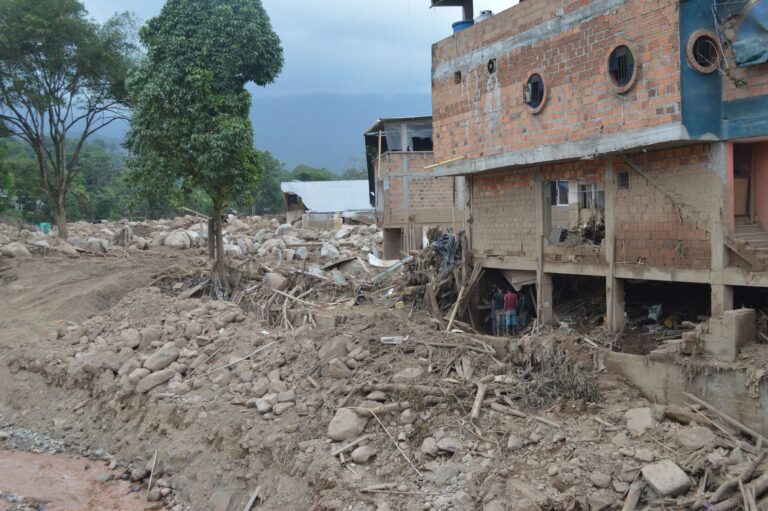
The recent twin earthquakes in Venezuela have left a staggering impact, with an official death toll reported at 1,719 individuals. However, experts caution that this figure may be a significant undercount due to various factors that complicate the assessment of casualties. Preliminary estimates suggest that many fatalities could be overlooked as rescue operations continue and communications in the affected regions remain shaky. The sheer scale of destruction has overwhelmed local authorities, making it increasingly difficult to gather accurate data. Neighborhoods have been wiped out, and many survivors are still unaccounted for, raising concerns that the number of casualties could rise dramatically in the coming weeks. As aid efforts ramp up, the true human cost of these disasters remains uncertain. International attention is now focused on Venezuela’s recovery efforts, both for the immediate humanitarian response and for long-term rebuilding. The need for accurate data on casualties is critical not only for providing necessary aid but also for planning effective recovery strategies. The situation poses significant challenges in both logistics and communication in the wake of such a catastrophic event.

The Full Story
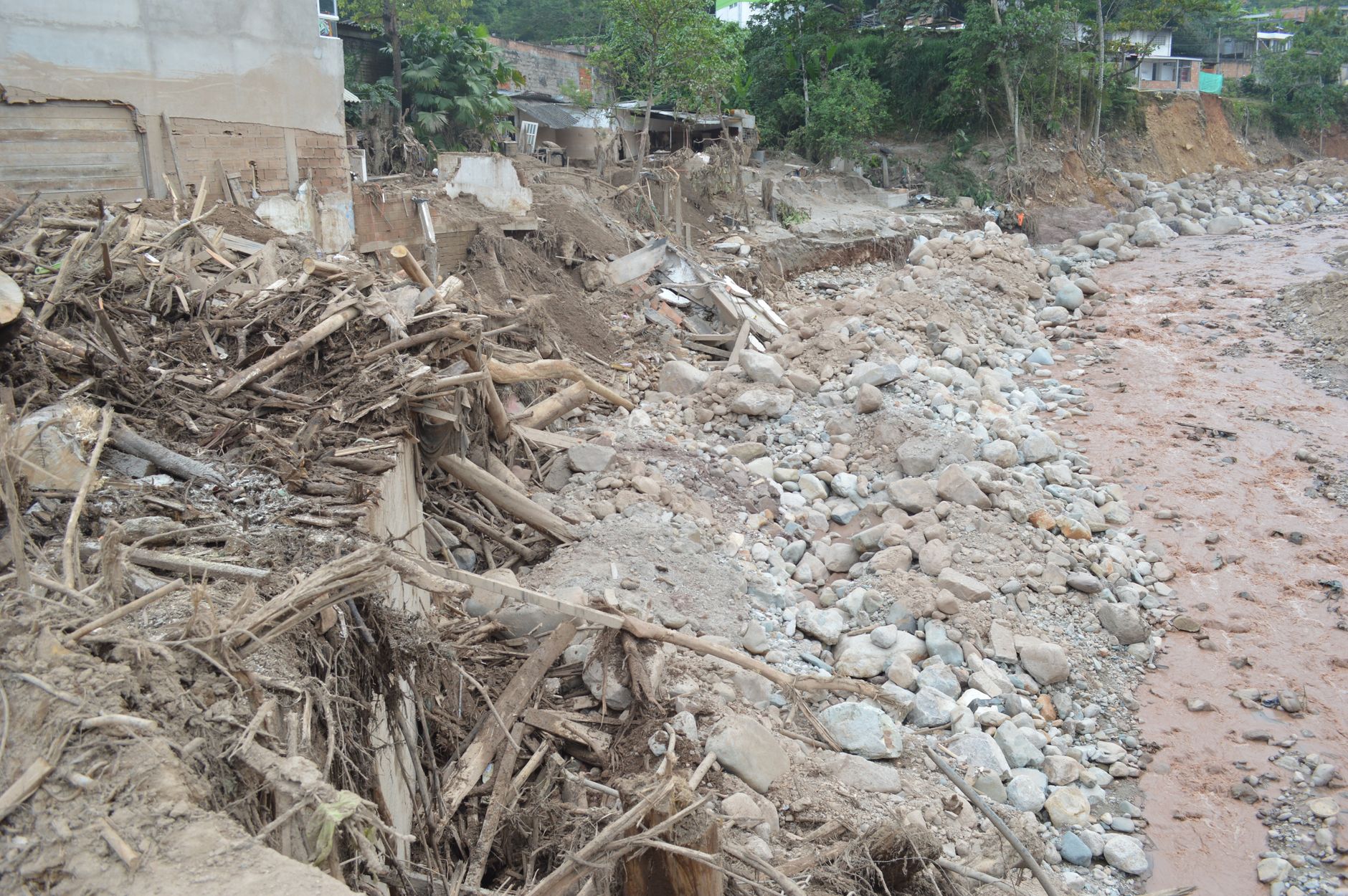
This dual earthquake struck Venezuela’s western region, affecting densely populated urban areas where infrastructure was already vulnerable. The first quake registered a magnitude of 6.5, followed closely by a second tremor of 6.2, both deep enough to unleash widespread devastation without much warning. Residents reported buildings collapsing, power outages, and widespread panic that left many unable to contact loved ones. Historically, Venezuela has faced numerous crises, from political instability to economic collapse, which have severely strained its healthcare and emergency response systems. These existing challenges compound the difficulties in managing disaster response efforts following the earthquakes. Many emergency services are already stretched thin and struggle to coordinate efficiently in the wake of such a large-scale disaster. The aftermath of the earthquakes highlights not only the immediate physical destruction but also the long-term implications for the Venezuelan population. With many families displaced and essential services disrupted, the country faces a daunting recovery process that will require both national and international cooperation. The situation calls for a thorough assessment of the infrastructure’s resilience and the urgent need for humanitarian support to rebuild lives and communities.
What Changes Now?
The situation in Venezuela following these earthquakes could lead to significant shifts in how both domestic and international aid efforts are structured. With the crisis underscoring the fragility of the nation’s emergency management capabilities, there may be increased pressure on the government to improve infrastructure resilience and disaster preparedness. This could include new policies focused on building more earthquake-resistant structures and training for emergency responders. Furthermore, the international community may reassess its approach to providing aid. The tragic consequences of this disaster can serve as a catalyst for stronger collaborations with NGOs and local organizations that are often more effective on the ground. A shift towards involving these groups means a more responsive and tailored approach to aid distribution in future crises.
- Improved Disaster Preparedness: This tragedy may lead to enhanced training for emergency services, emphasizing disaster response and recovery. Ensuring that first responders are equipped to handle crises can save lives in future emergencies.
- Strengthened Infrastructure Policies: There is potential for new regulations mandating earthquake-resistant construction standards. By adopting better building practices, the country could mitigate the impacts of future quakes and protect its citizens.
- Increased International Cooperation: Aid organizations may focus more on partnerships with local entities for more effective responses. Collaborations that leverage local knowledge and resources can significantly improve recovery efforts and outcomes.
Final Word
Venezuela’s tragic earthquakes serve as a stark reminder of the vulnerabilities faced by countries with fragile infrastructures and economies. The underreported death toll highlights the challenges of accurately assessing a disaster’s impact amid chaos, further complicated by existing crises in the nation. As the world watches, the focus must not only remain on immediate humanitarian relief but also on the long-term strategies needed to build resilience. This moment calls for a concerted effort from both Venezuela’s government and the international community to rethink disaster preparedness and response protocols. If anything good can come from this tragedy, it is the opportunity to learn and adapt, ensuring that future responses are more effective and comprehensive. As we reflect on the human cost, it’s crucial to remember: preparedness can save lives, but it must be prioritized before the next disaster strikes.
📰 Source: Read original article | Editorially rewritten and analysed by BuzzWeave.
Related posts:
 Indirect Talks in Doha: US and Iran Navigate Ceasefire Issues
 FCC Proposes Major Cuts to E-Rate Program for Schools
 Haiti’s Long-Awaited World Cup Journey: Celebration or Disappointment?
 Venezuela’s Dual Earthquakes: A National Emergency Unfolds
 Google Finance Unveils First Mobile App: A New Era for Financial Tracking
 Maxim Kruglov’s Sentencing Highlights Russia’s Anti-Dissent Climate