
The Big Picture
Venezuela, a country already grappling with economic turmoil and political instability, finds itself at the center of a humanitarian crisis following the recent earthquakes. This seismic event occurred against a backdrop of ongoing challenges, including shortages of basic supplies, healthcare crises, and mass emigration. The nation has endured years of challenges, leading to weakened infrastructure that has made it more vulnerable to natural disasters.
As the global community watches, the implications of these quakes extend far beyond immediate physical damage. They highlight not only the fragility of the nation’s architecture but also the dire state of its emergency services and response capabilities. The country’s reliance on external aid has never been more evident, as local resources are stretched thin and the need for international assistance becomes critical.
This moment serves as a reminder of the interconnectedness of global events. Natural disasters can rapidly escalate existing crises, and as Venezuela seeks to recover from these quakes, it may also catalyze renewed discussions about international support and intervention in struggling nations. The road ahead is uncertain and fraught with challenges.

Breaking It Down
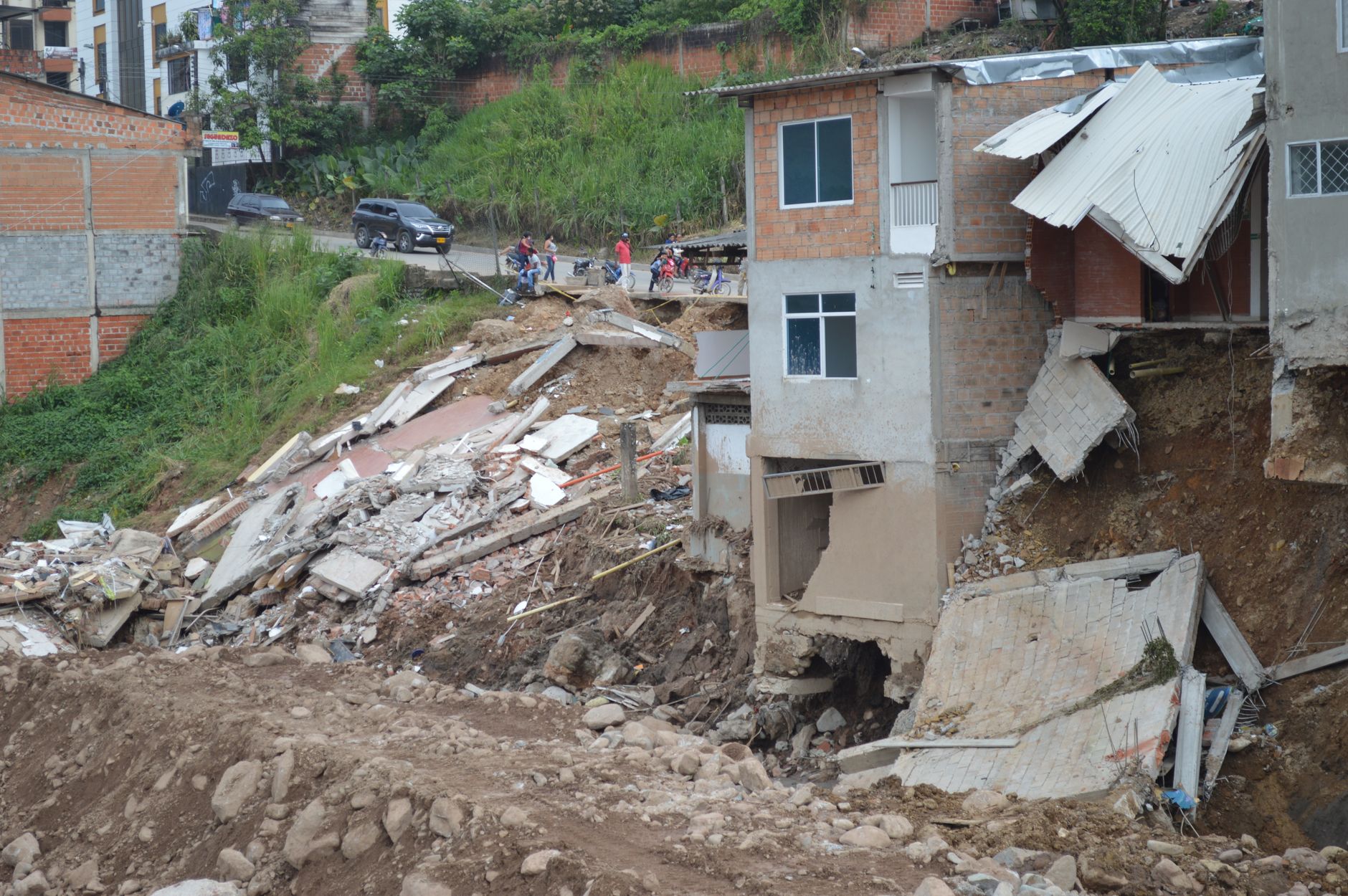
The earthquakes struck on June 25, 2026, at approximately 6:04 PM local time, with magnitudes of 7.2 and 7.5, respectively. The tremors originated from Yaracuy state, just west of the capital, Caracas, and struck at depths of 22 kilometers and 10 kilometers. These powerful quakes were preceded by nearly two dozen aftershocks, leaving citizens in a state of fear and confusion as buildings collapsed and emergency services struggled to respond.
In the immediate aftermath, acting President Delcy Rodriguez declared a state of emergency while mobilizing doctors and healthcare professionals to treat the hundreds of injured. Emergency crews worked tirelessly, particularly in the Altamira district of Caracas, which has seen some of the worst damage. Reports indicate at least 32 deaths and around 700 injuries, but these numbers may rise as search and rescue operations continue.
As efforts unfold, authorities have recognized that many of the structures within the affected areas were built with unreinforced materials, which are especially susceptible to seismic events. The United States Geological Survey (USGS) has estimated that the fatalities could reach thousands, underscoring the importance of swift and effective response measures to mitigate further loss of life.
Who Is Affected?
The ramifications of these earthquakes ripple through various segments of Venezuelan society, touching lives across different communities. The immediate focus is on those injured or displaced, but the long-term effects will likely be felt by the broader population as the country grapples with recovery and rebuilding.
- Victims and Their Families: The families of those who lost their lives or were injured face emotional and financial hardships. Many are left searching for missing loved ones as the search and rescue efforts continue amid the rubble of collapsed buildings.
- Healthcare Workers: Medical professionals are summoned to assist in emergency care, putting immense pressure on an already strained healthcare system. Their efforts are critical in addressing the influx of patients, but the lack of resources exacerbates the challenges they face.
- Local Businesses: Small businesses in the most affected areas are likely to suffer significant losses due to the destruction of property and reduced consumer activity. Their recovery will be vital for the local economy, but rebuilding will take time and investment.
Our Take
The twin earthquakes in Venezuela shine a glaring light on the nation’s vulnerabilities, particularly regarding infrastructure and disaster preparedness. As the government takes steps to address the immediate aftermath, it is crucial to recognize the systemic issues that have made the country susceptible to such disasters. The need for international aid and support will be paramount in the coming days and weeks.
Moving forward, the focus should be on not only recovery but also on building a more resilient Venezuela. This involves investing in safer construction practices, improving emergency response capabilities, and fostering international partnerships to ensure that the nation is better prepared for future disasters. The lessons learned from this event may influence policy and planning at both national and global levels.
In conclusion, this is a pivotal moment for Venezuela. The resilience and strength of its people will be tested, and the world’s response will be closely watched. It is imperative that we advocate for meaningful support and resources to aid in the recovery, ensuring that Venezuela not only survives this crisis but emerges stronger from it.
📰 Source: Read original article | Editorially rewritten and analysed by BuzzWeave.