
What You Need to Know
The ongoing ceasefire talks in Egypt have intensified focus on disarmament issues involving Hamas and other Palestinian factions. Key to these discussions is a demand from Nickolay Mladenov, the high representative overseeing the negotiations, for the complete surrender of all weapons present in Gaza. Palestinian officials argue that this demand serves as a vehicle for advancing Israeli interests, thus complicating the path toward a mutually acceptable resolution.
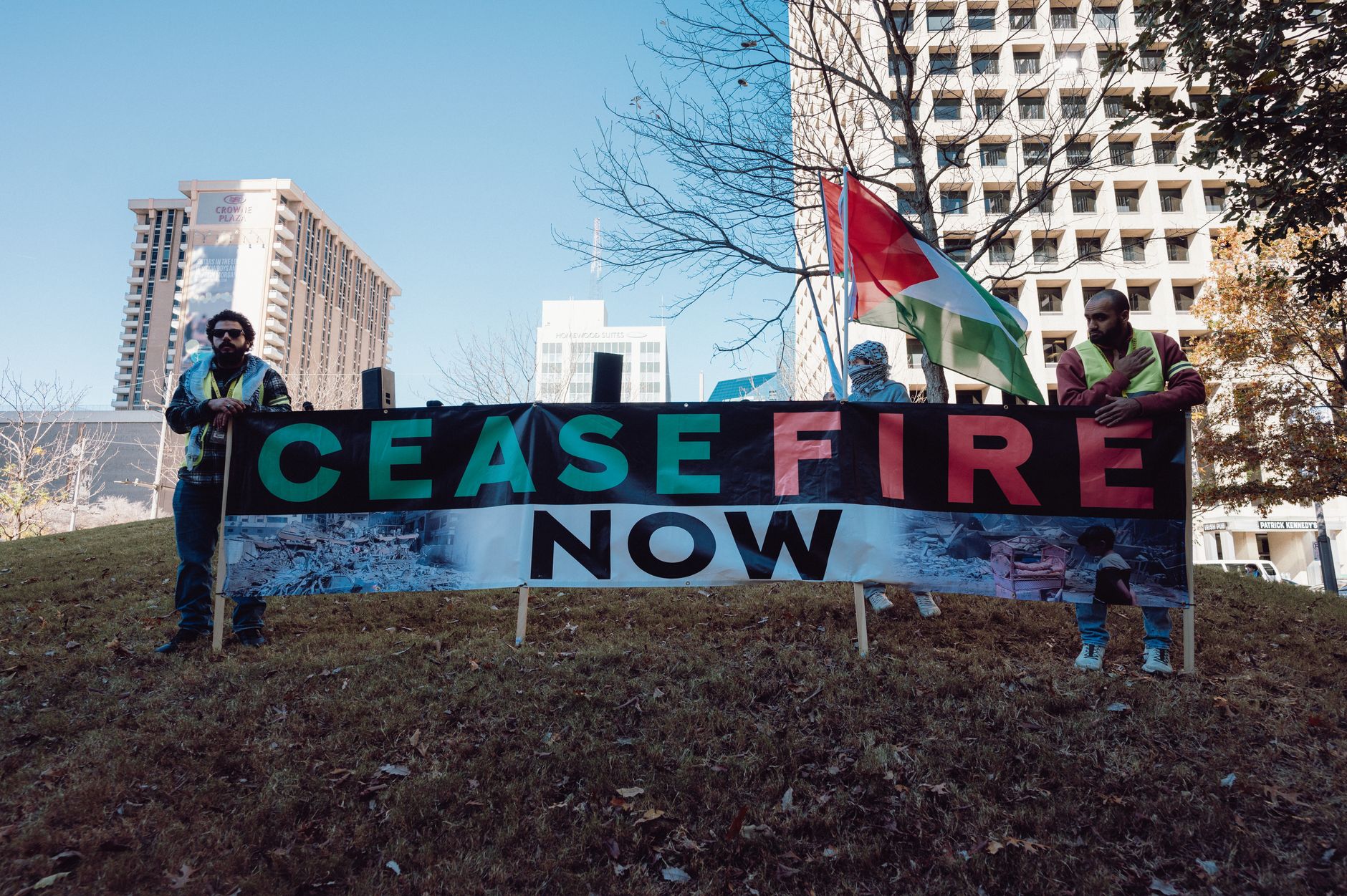
” alt=”Gaza Ceasefire Talks”/>
Critical to the negotiations is “Clause 8” of a previous ceasefire agreement, which outlines the terms for disarmament and the management of military infrastructure. While Hamas has shown a willingness to discuss disarming, they stipulate that such actions must coincide with a phased withdrawal of Israeli military forces from Gaza. This connection underscores a broader struggle for power and security in a region where trust is fragile and demands from both sides remain steep.
The stakes in these talks are high, as the outcome could significantly influence not just the future of Gaza, but also the broader Israeli-Palestinian conflict. Achieving a balance between disarmament and political rights for Palestinians is a challenge that encapsulates the complexities of negotiating peace in a deeply divided region.
The Full Story
The current ceasefire talks stem from a series of escalating conflicts between Israel and Hamas, particularly following the significant violence that erupted in recent years. In the wake of repeated military confrontations, international mediators, including the United States, have sought to broker a lasting peace. The focus on disarmament as a foundational element for peace is not new; it has been a recurring theme in negotiations over the years.
However, the specific demands being placed upon Hamas now appear to be more stringent than in previous discussions. The insistence on unconditional disarmament without corresponding guarantees for Palestinian rights raises concerns about fairness and viability. A historical perspective reveals that disarmament has often been used as a tool to ensure one side’s dominance rather than as an instrument of genuine peace-building.
As a result, the factions in Gaza find themselves at a critical juncture, where the outcomes of these negotiations could either facilitate a new era of governance and stability or plunge the region into further conflict. The dynamics of trust, power, and the quest for self-determination continue to shape the conversations at the negotiation table.
What Changes Now?
The outcomes of these talks represent a pivotal moment in the Israeli-Palestinian conflict, particularly regarding the future of Palestinian governance in Gaza. Should the negotiations lead to an agreement that includes disarmament, it could reshape the landscape of power among Palestinian factions, potentially strengthening a central authority but also inciting backlash from militant groups.
- **Increased International Scrutiny:** The demand for complete disarmament has attracted greater global attention, highlighting the complexities of Palestinian agency in peace processes. This increased scrutiny could lead to a more involved international community, which may either facilitate progress or further entrench divisions, depending on the response of the parties involved.
- **Potential Restructuring of Palestinian Leadership:** If Hamas complies with disarmament conditions, it may lead to a power shift within Palestinian politics, encouraging the rise of more moderate factions. However, this shift could alienate hardline elements within Palestinian society, creating new tensions and challenges for governance.
- **Reevaluation of Security Dynamics in Gaza:** The call for disarmament is not merely a political maneuver; it has real implications for the security apparatus within Gaza. The outcome could redefine how security is managed in the region, potentially leading to a more unified Palestinian security force, or exacerbating existing tensions and military confrontations.

” alt=”Gaza Talks”/>
Final Word
The current impasse in Gaza’s ceasefire negotiations underscores a critical crossroads in the pursuit of peace and security. While calls for disarmament may seem like a straightforward path to conflict resolution, they are deeply entangled with issues of sovereignty, rights, and historical grievances. This reality illustrates the difficulty in forging a sustainable peace in a region scarred by decades of mistrust and violence.
The prevailing demands reflect not only the complexities of the situation on the ground but also the entrenched positions of both Israeli and Palestinian leaders. As the discussions continue, it is imperative that all parties recognize that true peace requires not just the absence of armed conflict but the presence of justice, rights, and mutual recognition. Until then, the cycle of conflict and negotiation will likely persist, making lasting peace a distant goal rather than an achievable reality.
📰 Source: Read original article | Editorially rewritten and analysed by BuzzWeave.