What You Need to Know
Ahmed Wishah, a dedicated Al Jazeera cameraman, lost his life in an Israeli airstrike that targeted a residential area in the Bureij refugee camp, central Gaza. This attack, which also left at least ten others dead, highlights the risks journalists face in conflict zones where reporting the truth can be deadly. Al Jazeera condemned the attack, calling it a flagrant violation of international laws designed to protect journalists and ensure freedom of the press.
Wishah’s death is particularly poignant given that his brother, Mohammed, was killed just months earlier in a similar incident attributed to Israeli military action. The Israeli military described Mohammed as a “key terrorist,” a claim made without substantiating evidence, which further complicates the narrative surrounding these conflicts. This tragic pattern underscores both the personal toll on families and the broader implications for journalism in conflict areas.
The Committee to Protect Journalists has documented a staggering number of journalists killed in recent months, with at least 260 Palestinian journalists losing their lives amid the violence. The health ministry in Gaza reported catastrophic casualty figures, reinforcing the urgent need for accountability and protection for those who risk their lives to document the truth in war-torn regions.

The Full Story
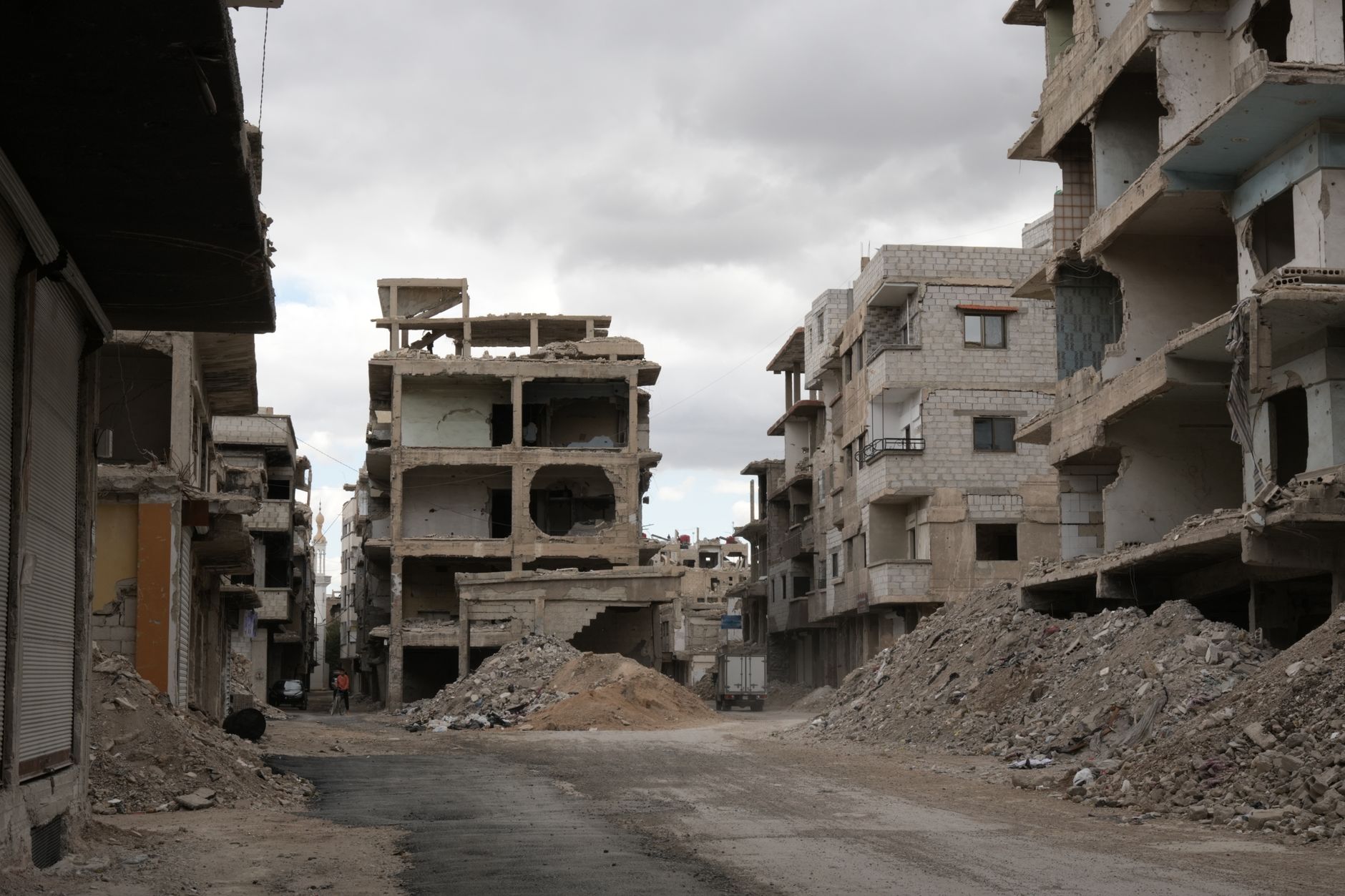
The Israeli-Palestinian conflict has a long and complex history, rooted in issues of territorial disputes, national identity, and security. The recent escalation of violence began in October 2023, which has seen a marked increase in hostilities, including aerial bombardments and ground offensives. This resurgence of violence has not only led to significant civilian casualties but has also resulted in widespread destruction of infrastructure, compounding the humanitarian crisis in Gaza.
Journalists operating in such environments often face grave risks. Their role is critical for informing the public about the realities on the ground, yet they frequently become targets themselves. The systematic targeting of reporters, as noted by press freedom organizations, suggests a deliberate strategy to suppress independent reporting, further entrenching misinformation and bias in narratives surrounding the conflict.
Wishah’s death is emblematic of a trend where the safety of journalists is increasingly compromised in warfare. The emotional toll on families, like that of Ahmed and Mohammed Wishah, illustrates the personal tragedies that accompany these large-scale conflicts, reminding us that behind every statistic is a human life lost, a community shattered, and a story untold.
What Changes Now?
Ahmed Wishah’s killing marks a significant moment in the ongoing conflict, drawing international attention to the precarious status of press freedom in war zones. As governments and organizations respond, there may be renewed calls for greater protections for journalists, particularly those covering conflicts. This incident also serves to highlight the need for transparent investigations into the targeting of journalists and accountability for those who perpetrate such acts.
- Increased Advocacy for Journalist Safety: The outcry following Wishah’s death may lead to heightened advocacy efforts focused on safeguarding journalists in conflict areas. Organizations might push for international agreements that explicitly protect members of the press during military operations, recognizing their essential role in promoting transparency and accountability.
- Potential Policy Changes: In response to the international condemnation, governments may reconsider their military strategies and rules of engagement regarding civilian areas and journalists. Such policy adjustments could help mitigate future attacks and establish clearer guidelines that prioritize the lives of non-combatants and those documenting the conflict.
- Heightened Public Awareness: The media coverage of Wishah’s death is likely to raise awareness about the dangers journalists face globally, galvanizing public support for press freedom. This could foster a more informed citizenry, pressuring governments to take a stand against violence toward journalists and uphold the principles of free speech.
Final Word
The tragic loss of Ahmed Wishah is not just another statistic in a protracted conflict; it represents a chilling reminder of the dangers faced by journalists around the world. As the international community grapples with the implications of his death, it has become clear that the fight for press freedom is intrinsically tied to the broader quest for justice and truth in conflict situations.
The systematic targeting of journalists must be met with unwavering condemnation and concrete actions to protect those pursuing the truth. As we reflect on Wishah’s sacrifice, we must also commit to ensuring that the voices of those who report from the frontlines are no longer silenced. In a world where information is power, protecting journalists is tantamount to protecting democracy itself.
📰 Source: Read original article | Editorially rewritten and analysed by BuzzWeave.