What Happened?
On June 21, 2026, the world mourned the loss of Ahmed Wishah, a dedicated Al Jazeera cameraman, whose life was tragically cut short by an Israeli airstrike in the Bureij refugee camp in central Gaza. At the moment of impact, Wishah was covering ongoing military operations when an airstrike targeted a residential structure, claiming not only his life but also affecting numerous civilians in the vicinity. His mother, in a heartbreaking display, identified his lifeless body, a poignant reminder of the personal tragedies that unfold amid the chaos of war.
Fueled by ongoing tensions in the region, the airstrike represents yet another episode in a long history of violence that has engulfed both civilians and journalists alike. The targeting of media personnel during armed conflicts raises critical concerns about ethics and accountability, challenging the narratives presented to the public. Wishah, who was only 35, leaves behind a legacy of commitment to revealing the truth in one of the world’s most dangerous reporting environments.
Reports indicate that dozens of innocent lives were also lost during the airstrike, further compounding the tragedy of this event. The scale of destruction not only highlights the humanitarian crisis in Gaza but also underscores the urgent need for protective mechanisms for those tasked with documenting such conflicts. Wishah’s untimely death serves as a stark reminder of the risks journalists face in their pursuit of truth.
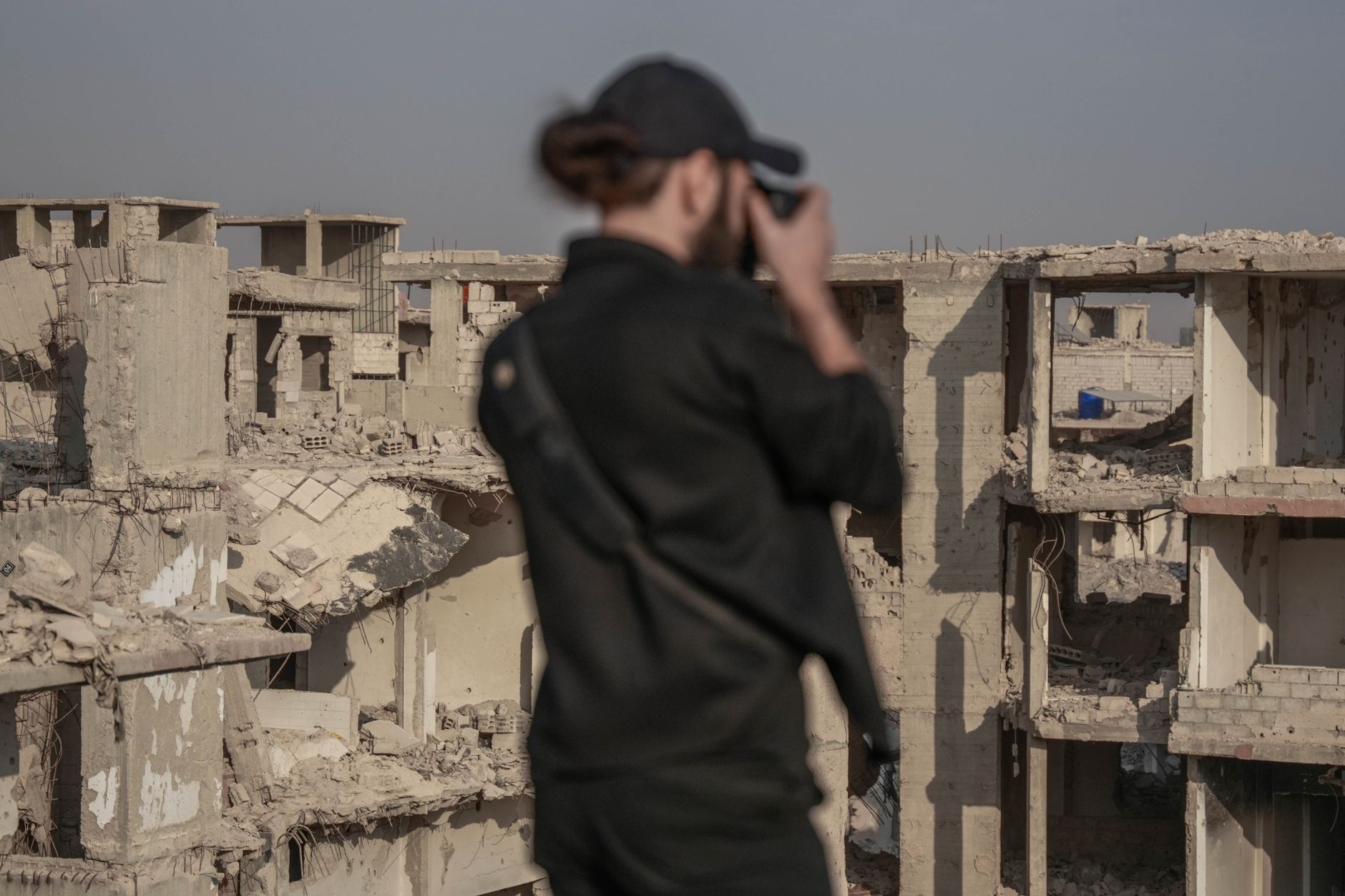
Why It Matters
The killing of Ahmed Wishah is emblematic of the broader risks faced by journalists working in conflict zones globally. According to the Committee to Protect Journalists (CPJ), 59 journalists were killed worldwide in 2025 alone, with many more facing intimidation and violence. Such statistics reveal a troubling trend: press freedom is increasingly compromised in regions where the truth is most urgently needed.
Moreover, the targeting of media personnel paints a grim picture of the environment in which they operate. Without journalists to report on the ground realities, the international community is often left with a distorted view of events, potentially leading to misinformed public opinion and ineffective policy responses. The implications of such violence extend beyond individual fatalities; they threaten the very foundation of democratic societies reliant on an informed citizenry.
In addition, the incident raises significant questions about accountability for military actions that lead to civilian casualties, including those of journalists. Advocates argue that without mechanisms to hold perpetrators accountable, the cycle of violence will continue unabated, further endangering the lives of those who strive to report the truth. Wishah’s death may serve as a catalyst for renewed calls for international protections for journalists operating in conflict zones.
Impact on Consumers
For consumers of news, the implications of Wishah’s killing are profound and multifaceted. As global citizens, the quality of information we receive is contingent upon the safety of those gathering and reporting it. The death of a journalist diminishes the already fragile trust in media and can lead to an information vacuum, where the narratives that emerge are often influenced by propaganda rather than factual reporting.
Moreover, this tragic incident prompts consumers to reflect on the cost of conflict, not just in terms of human life but also in the erosion of our access to reliable news. The chilling effect that such violence has on journalists can stifle critical reporting, ultimately depriving audiences of crucial insights into global issues.
- Increased awareness of press safety: Understanding the dangers journalists face can heighten public awareness and advocacy for their protection. A more informed audience may demand accountability when journalists are harmed in the line of duty.
- Shift in media consumption habits: As the risks grow, consumers may seek news from alternative channels, potentially disrupting traditional media outlets. This shift can affect the funding and sustainability of mainstream journalism.
- Impact on international perception: Violent incidents against journalists can alter how nations are perceived globally. Public outcry can lead to diplomatic pressures and change the narrative surrounding specific conflicts, affecting foreign policy decisions.

BuzzWeave Analysis
The tragic loss of Ahmed Wishah could signal a turning point in the conversation about journalist safety in conflict zones. As public awareness grows, there may be increased pressure on governments and organizations to implement concrete policies aimed at protecting media personnel. This incident could very well illuminate the need for stronger international regulations to safeguard press freedom and hold aggressors accountable.
Furthermore, the response to Wishah’s death may challenge prevailing assumptions about the inevitability of violence in conflict reporting. If global citizens unite in advocacy for journalist safety, it could lead to transformative changes in how wars are covered, fostering an environment where truth can thrive amidst chaos. In the future, we might see a world where the risks associated with reporting don’t have to come at the cost of lives.
As we remember Ahmed Wishah, let us not only honor his commitment to truth but also strive to ensure that such sacrifices are not made in vain. The future of journalism depends on our collective resolve to protect those who bring us the stories that matter most.
📰 Source: Read original article | Editorially rewritten and analysed by BuzzWeave.