The Big Picture
Tyre, located in southern Lebanon, is a city steeped in history, housing monuments that date back to the Phoenician era. The ongoing hostilities between Israel and Hezbollah have created a precarious situation, where military actions frequently overshadow the city’s cultural significance. Recent escalations in violence have led to airstrikes that indiscriminately threaten architectural marvels, drawing attention to the plight of historical sites that have withstood the ravages of time.
The geopolitical landscape is rife with tension as Israel continues its military operations aimed at neutralizing threats from Hezbollah. This violent backdrop not only jeopardizes civilian lives but also risks obliterating centuries-old monuments that stand as testaments to Lebanon’s diverse heritage. Amidst international calls for a ceasefire, the reality on the ground remains fraught with uncertainty, leaving the future of these historical sites hanging in the balance.
As global authorities grapple with the implications of this conflict, the protection of cultural heritage faces significant challenges. The delicate interplay between military objectives and the preservation of invaluable sites raises critical questions about accountability and the moral obligations of nations engaged in warfare. The situation demands urgent attention; otherwise, we risk witnessing an irreplaceable loss that transcends national borders.

Breaking It Down
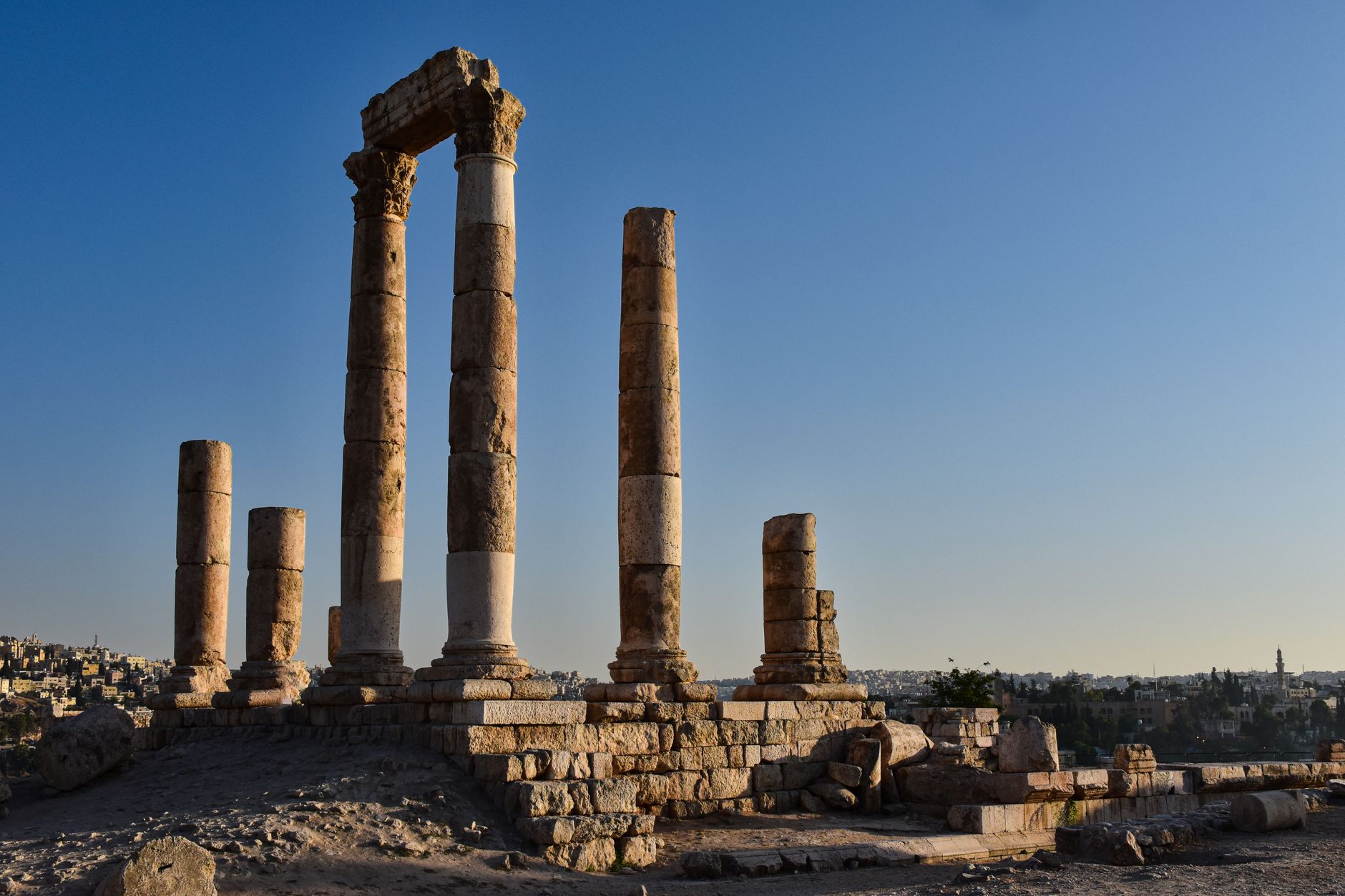
In June 2026, Israeli military operations intensified near the Tyre Necropolis, a UNESCO-listed site renowned for its Roman and Phoenician ruins. Airstrikes damaged several structures, prompting outrage from cultural preservationists and local advocates who fear the irreversible impact on these ancient relics. Despite calls for restraint and the enforcement of peace agreements, skirmishes continue to undermine efforts aimed at safeguarding these treasures.
Reports indicate that as many as 20 cultural sites in and around Tyre are now under imminent threat; this includes the remnants of ancient temples and residential areas that have stood for millennia. The cost of restoration and potential loss of tourism revenue could run into millions, further exacerbating the economic struggles of a nation already beleaguered by years of conflict and political instability. Local preservation groups now find themselves on the front lines, advocating for the protection of their cultural identity against a backdrop of violence and destruction.
The devastating implications of these attacks extend beyond the physical damage; they signify a deeper cultural erasure that diminishes not only Lebanese heritage but also the shared history of humanity. As the situation develops, the urgency for international recognition of cultural preservation in conflict zones becomes increasingly critical, highlighting the need for proactive measures to safeguard these irreplaceable landmarks.
Who Is Affected?
The ramifications of these attacks extend far beyond the architectural damage. With each airstrike, communities are not only losing physical landmarks but also the cultural narratives that define their identities. Families who have lived amidst these historical sites for generations are grappling with the trauma of potential displacement and loss.
- Local Residents: Many families are at risk of losing their homes and cultural heritage. The destruction of historical sites deeply impacts their sense of identity and continuity, forcing them to confront a future devoid of their ancestral connections.
- Cultural Preservationists: Organizations dedicated to maintaining and restoring Lebanon’s historical sites are facing unprecedented challenges. Their efforts to engage the government and international bodies for support become increasingly futile amidst the chaos of ongoing conflict.
- Tourism Industry: The potential for economic recovery through tourism hinges on the safety of cultural landmarks. With travel advisories issued and the allure of historical experiences threatened, Lebanon’s tourism sector stands to lose millions in revenue, exacerbating economic hardships.
Our Take
The ongoing conflict surrounding Tyre underscores a broader issue: the precarious balance between military objectives and the protection of cultural heritage. As Israel and Hezbollah engage in hostilities, the threats to ancient monuments exemplify the collateral damage of modern warfare. If these patterns continue, the world will bear witness to an unprecedented cultural tragedy that could erase vital connections to our shared human past.
Moving forward, the international community must prioritize cultural preservation in peace negotiations and conflict resolution strategies. Global organizations should advocate for the inclusion of protections for historical sites in ceasefire agreements, ensuring that cultural heritage does not become an expendable casualty of war. The situation calls for urgent and decisive actions, or we risk allowing another chapter of history to be lost forever.
Ultimately, the fate of Tyre and its ancient monuments serves as a stark reminder of the costs of conflict. As we observe the ongoing developments, it is imperative to hold accountable those who would jeopardize cultural heritage in the name of military strategy. The preservation of these sites is not merely a local concern; it is a global responsibility that transcends borders and generations, demanding our unwavering commitment.
📰 Source: Read original article | Editorially rewritten and analysed by BuzzWeave.