The Big Picture
The Strait of Hormuz serves as a vital channel for global trade, especially for oil and liquified natural gas. According to estimates, about one-fifth of the world’s petroleum passes through this narrow passage, making it an essential lifeline for energy supplies. The geopolitical landscape surrounding the Strait has been fraught with tension, particularly between Iran and Israel, as well as the United States.
Recent skirmishes in Lebanon, involving Israeli airstrikes, have heightened these tensions and prompted Iran’s provocative action. The Iranian government, citing the need to protect its interests, declared the waterway closed following these escalations. This incident is not merely a local issue but has the potential to impact global oil prices and trade routes significantly.
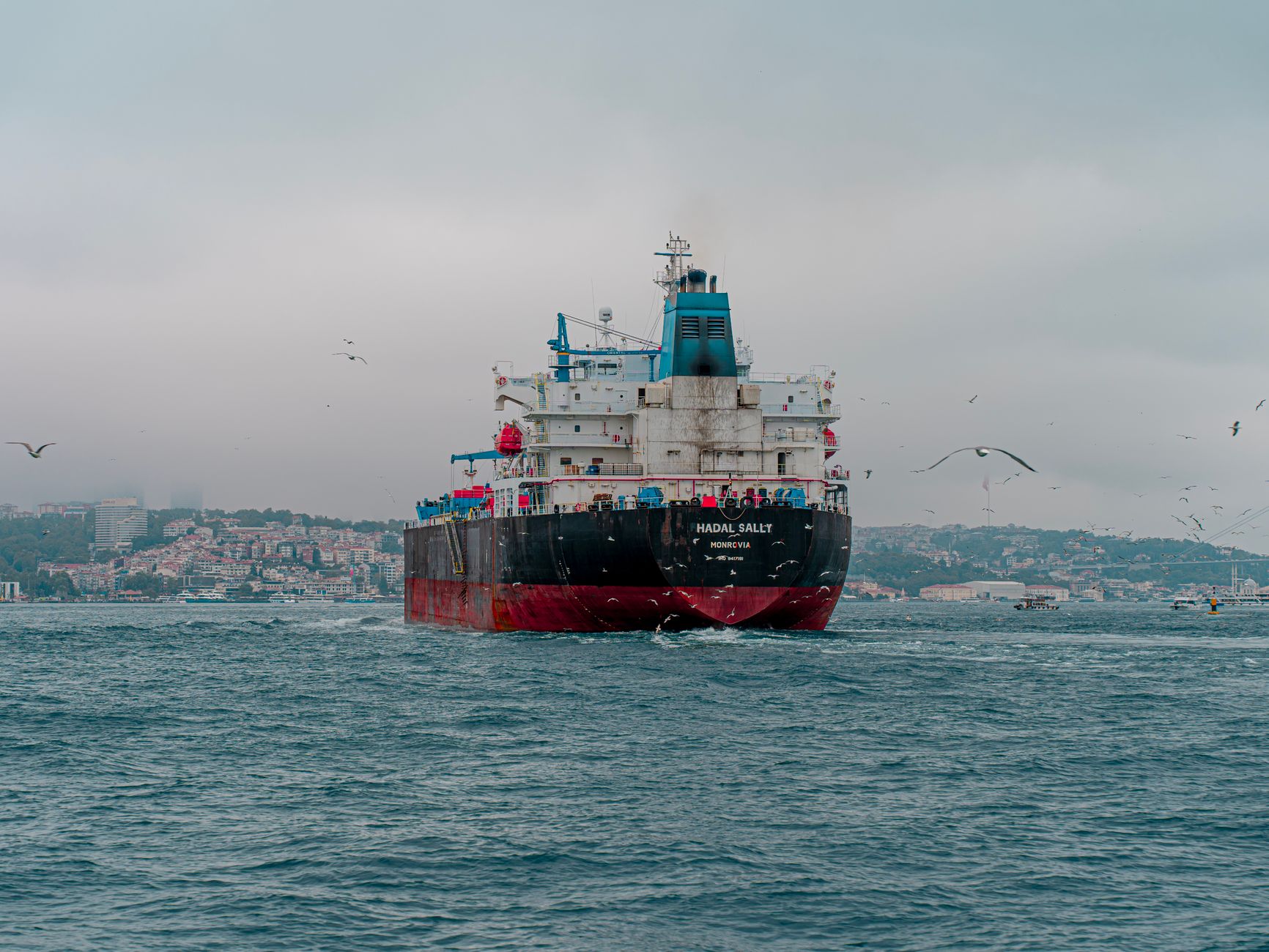
As tensions rise, maritime traffic patterns have also shifted, reflecting fears among shipping companies regarding safety and security in the region. While the U.S. military insists that safe passage remains intact, the reality on the ground shows a stark reduction in transit numbers. This dissonance between official statements and the situation on the water highlights the fragility of stability in the region.

Breaking It Down
On June 22, 2026, Iranian authorities officially announced the closure of the Strait of Hormuz in response to perceived threats from Israel. Ship tracking data revealed a dramatic decrease in vessel transits, plummeting from 35 to just 12 in a single day. This reduction stems from various factors, including the fear of potential military engagement and the Iranian Revolutionary Guard Corps’ assertions relating to Israeli actions in Lebanon.
The closure marks a return to a pattern seen during previous conflicts, where Iranian authorities have leveraged maritime access as a form of geopolitical bargaining. Notably, five of the eight vessels entering the strait had their Automatic Identification Systems turned off, which signals that these ships are attempting to navigate the strait discreetly to evade detection. Observers note that this resembles scenarios from the past when sanctions impacted Iranian shipping.
Despite this announcement, U.S. Central Command claimed that shipping activities were not significantly hindered, reporting 55 merchant vessels passed through the strait on the same day. This stark contrast in reported data raises questions about the ongoing conflict’s dynamics, with both sides appearing to downplay the severity of the situation for different reasons. Negotiations in Switzerland concerning a ceasefire between the U.S. and Iran continue, although the maritime situation remains highly unstable.
Who Is Affected?
The implications of this maritime disruption extend beyond regional borders, affecting various stakeholders worldwide. Global oil markets are particularly sensitive to changes in shipping access through the Strait of Hormuz, and fluctuations can trigger widespread economic repercussions.
Additionally, the safety and security of maritime routes are paramount for shipping companies, who must navigate heightened risks while managing their cargo logistics.
- Energy Producers: Oil-producing nations relying on the Strait for exports face direct consequences as shipping routes become perilous. They may need to seek alternative, longer routes, significantly raising transportation costs and affecting global oil prices.
- Global Markets: The ripple effects on global markets are inevitable as oil prices respond to perceived instability. Investors and stock markets will watch developments closely, with any disruptions likely to send shockwaves through trading systems and influence economic forecasts.
- Maritime Workers: Those employed in the shipping and logistics sectors may experience job insecurity as companies reevaluate their risks associated with navigating the Strait. This could lead to layoffs or reduced hours, contributing to broader economic challenges.
Our Take
As we observe the unfolding events in the Strait of Hormuz, it becomes clear that the situation is a litmus test for the fragile geopolitical relationships in the Middle East. Iran’s decision to close the strait is not merely an act of defiance but a strategic maneuver that could alter the balance of power in the region. The international community must pay attention to these developments, as they are indicative of larger patterns of conflict management and negotiation strategies in an increasingly complex landscape.
The talks in Switzerland will be critical in determining whether a more permanent peace can be established, but the path forward is fraught with challenges. If tensions escalate further, we may witness an intensification of military posturing from both Iran and its adversaries, leading to greater instability in global oil markets.
Ultimately, the world must remain vigilant as this story unfolds, recognizing that the consequences of the Strait’s closure extend far beyond military maneuvers. The economic and social implications could reverberate across continents, making it essential for all stakeholders to engage constructively in dialogue and seek diplomatic solutions.
📰 Source: Read original article | Editorially rewritten and analysed by BuzzWeave.