
What You Need to Know
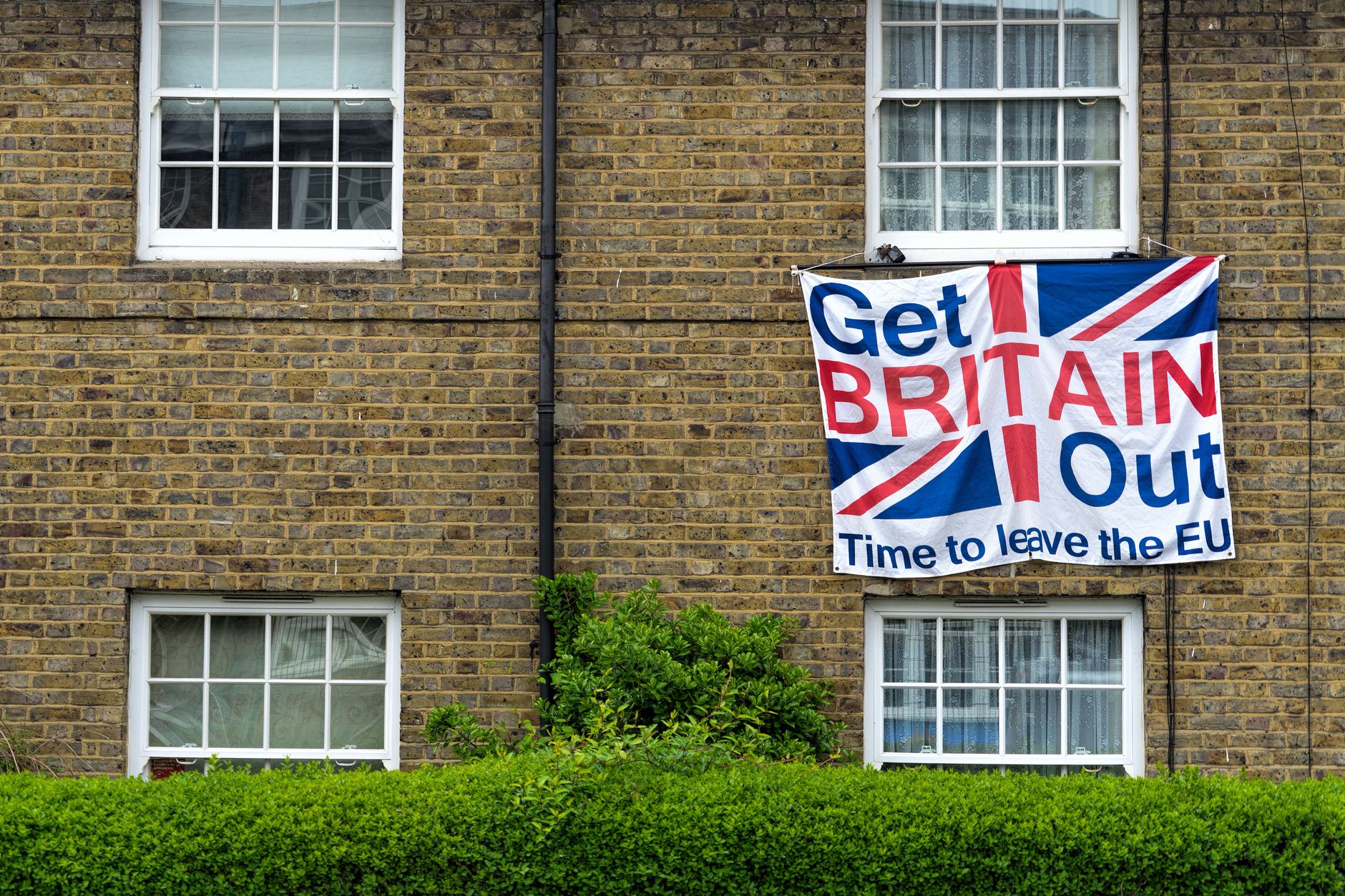
The Brexit referendum, held on June 23, 2016, resulted in 51.9% of voters choosing to leave the European Union. This decision was fueled by promises of economic independence and control over immigration. However, ten years later, the UK economy is smaller than it would have been had it remained in the EU, with rising migration levels and increasing discontent over the outcomes of the separation.

The impact of Brexit has been felt across various sectors, from trade to immigration. Economic forecasts indicate that the UK has been lagging behind its European counterparts, a departure from the predictions of economic prosperity touted during the campaign. As we delve deeper into these changes, it becomes evident that the foundational promise of Brexit—the idea of an empowered Britain—has not materialized as expected, leading to a reevaluation of national priorities.
The Full Story
Understanding the context leading up to Brexit involves a look back at Britain’s complex relationship with Europe. The UK joined the European Economic Community in 1973, seeking economic stability amidst stagnation and industrial decline. Over the years, skepticism towards the EU grew, leading to political fragmentation within the UK, ignited by Euroscepticism from both Labour and Conservative factions, culminating in David Cameron’s decision to hold a referendum.
The referendum was deeply divisive, with voting patterns starkly contrasting between rural and urban areas. While regions like England and Wales largely favored leaving, Scotland and Northern Ireland preferred to remain. The political fallout from the referendum was swift, with Cameron resigning and being followed by successive leaders who struggled to negotiate the terms of departure, culminating in the formal exit on January 31, 2020.
As we assess the decade since the vote, the economic landscape reveals troubling indicators. Reports suggest that the UK’s real GDP per capita remains significantly lower than that of other EU nations, and while migration has increased, it is now under stricter regulations, altering the demographic fabric of the nation.
What Changes Now?
The ramifications of Brexit are still unfolding, but several key changes are already evident. First, the UK has entered a new phase of self-governance, leading to the formulation of policies independent of EU regulations. This autonomy offers potential benefits, such as tailoring immigration policies to suit national needs, although it comes with the challenge of ensuring economic stability.
Second, the UK’s trade relationships have shifted significantly. New trade agreements are being negotiated outside of the EU framework, with mixed results. While some sectors may thrive under new deals, others face uncertainty as they navigate altered tariff landscapes.
- Economic Stagnation: The UK economy is experiencing slower growth compared to its EU peers, reflecting the long-term consequences of Brexit. This stagnation raises concerns about future investment and economic vitality.
- Shift in Migration Policies: Stricter immigration policies have been implemented, leading to a notable decline in net migration figures. This shift has implications for labor markets, particularly in industries reliant on migrant workers.
- Political Realignment: The Brexit process has reshaped political landscapes, contributing to instability within major parties. The ongoing debate surrounding Brexit continues to challenge leadership and party cohesion.
Final Word
A decade after the landmark vote, Brexit stands as a powerful reminder of the complexity of national identity and the fragility of democratic choice. The initial promises of economic revival and greater autonomy have been clouded by realities that challenge the very fabric of British society. As debates continue over the future of the UK, one thing is increasingly clear: the impact of Brexit will be felt for generations to come.
As Britain charts its course forward, it must grapple with the consequences of its decisions and find a way to navigate the uncertain waters of independence. The journey ahead will require not just economic resilience but also a renewed vision for a united and thriving nation, embracing both its challenges and opportunities.
📰 Source: Read original article | Editorially rewritten and analysed by BuzzWeave.