
What You Need to Know
Brexit, the controversial decision by Britain to leave the European Union, has entered its tenth year with significant ramifications that far exceed economic metrics. Initially heralded by 64% of voters as a path to sovereignty and independence, recent polls indicate that a majority now believe it was a grave mistake. The economic fallout, with estimates suggesting a 6% contraction in the UK economy, paints a grim picture, but the societal costs are arguably more alarming.
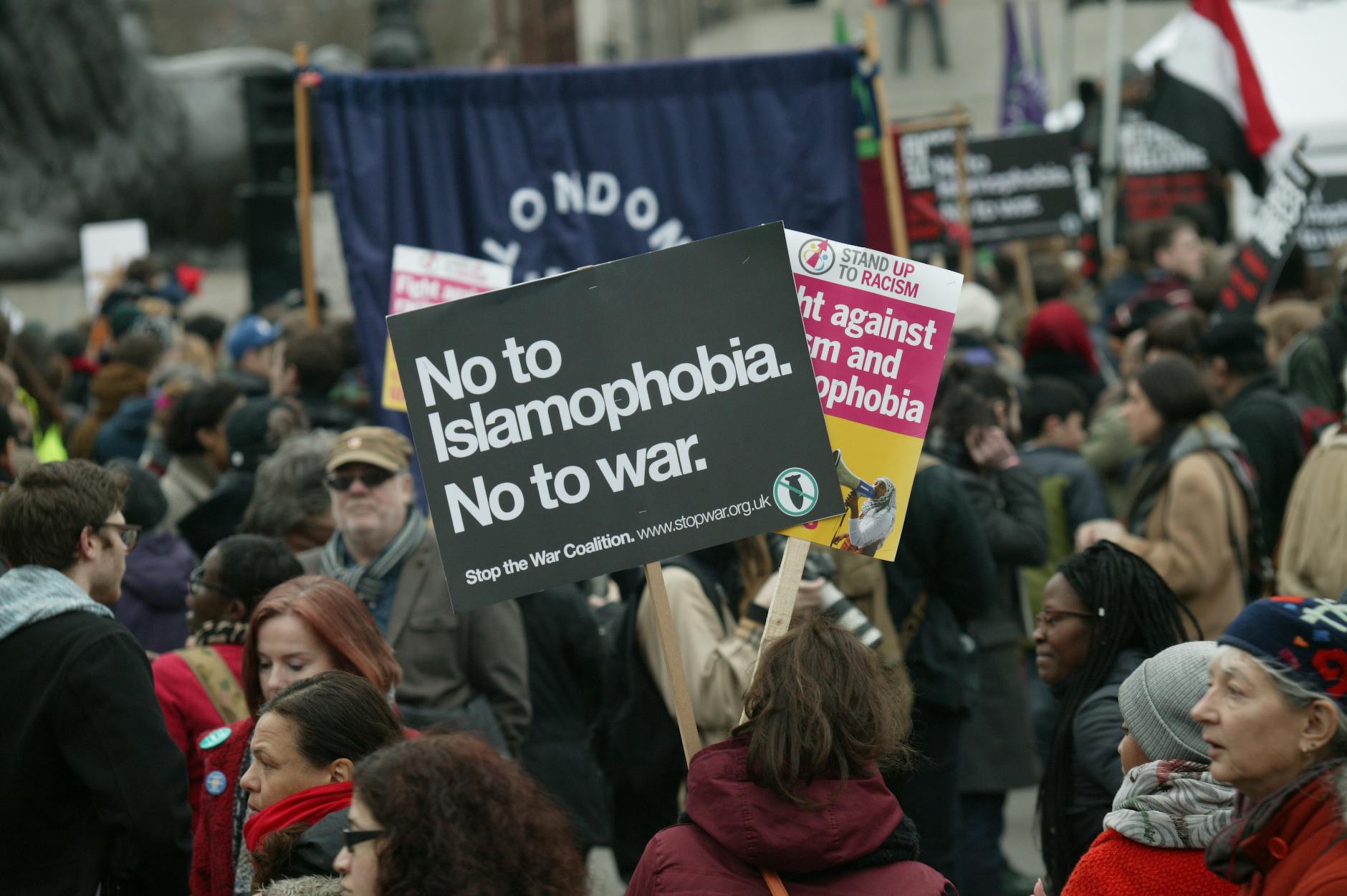
” alt=”Brexit protest”/>
The referendum and its aftermath have ignited a toxic culture of division and skepticism towards immigrants, particularly people of color. Once fringe ideas around immigration have seeped into mainstream politics, fostering a climate where intolerance is more acceptable. Figures like Nigel Farage have become emblematic of a movement that conflated national identity with anti-immigrant sentiment, leading to an erosion of the societal cohesion that once characterized Britain.
Despite ongoing debates about the economic implications of Brexit, a more insidious issue is brewing: the normalization of hostile rhetoric and policies towards marginalized communities. The political landscape has devolved, with each successive government echoing the divisive sentiments of the Brexit campaign, pushing the UK towards a more exclusionary and intolerant society.
The Full Story
Brexit was not merely a political decision; it was a profound cultural shift that revealed an undercurrent of euroscepticism festering within the UK for decades. The referendum handed an unexpected power to narratives steeped in fear and exclusion, with campaigners manipulating public sentiment around immigration to galvanize support. The infamous “Breaking Point” poster, showcasing swarms of refugees, exemplified this tactic, transforming the campaign into a battleground for the nation’s identity.
The fallout from the referendum has been political chaos, with the UK cycling through leadership changes at an alarming rate. As the populace grapples with the consequences, political parties struggle to offer coherent paths forward, often resorting to populist solutions that only perpetuate the cycle of division. With each passing year, the ideological divides deepen, suggesting that the Brexit referendum was merely the beginning of an ongoing battle for the soul of the nation.
As we reflect on a decade of Brexit, it’s clear that the economic consequences are just the tip of the iceberg. The most profound impact may well be the societal harm, as a generation grapples with a political culture where toxicity and exclusion have become the norm, challenging the very fabric of what it means to be British.
What Changes Now?
Brexit has sparked a transformation in British identity politics that will likely define the country for generations. As the nation confronts its fractured identity, the rise in anti-immigrant sentiment necessitates a fundamental reevaluation of how Britain perceives its place in the world.
- Normalization of Extremism: The once fringe ideas that painted immigrants as threats have gained traction, creating a political environment that emboldens discrimination. This shift signals a troubling acceptance of extremist views in mainstream discourse, fundamentally altering public policy towards immigration and multiculturalism.
- Political Instability: With a revolving door of leadership, the UK’s political landscape is now characterized by uncertainty and chaos. This instability complicates governance and policymaking, as each new leader struggles to address the divisive legacy of Brexit while also attempting to unify a fragmented electorate.
- Shifting Public Opinion: As more Brits grapple with the repercussions of Brexit, public sentiment is gradually turning against the decision. This evolution hints at a potential resurgence of pro-EU sentiment, which could influence future elections and policies, challenging the current narrative of irreversible separation.

” alt=”Brexit protest”/>
Final Word
The consequences of Brexit extend far beyond trade deals and GDP forecasts; they have set a dangerous precedent that challenges the very essence of British identity. As the political landscape shifts, the normalization of divisive rhetoric threatens to upend the values of tolerance and inclusivity that many believed were foundational to the UK.
If the last decade has taught us anything, it’s that decisions made in the heat of passion often lead to long-lasting societal scars. Britain now stands at a crossroads; it can either confront its past and strive for a more inclusive future or allow the shadows of division to dictate its next chapter. The choice is no longer just about Europe; it’s about who we are as a nation and the legacy we leave behind.
📰 Source: Read original article | Editorially rewritten and analysed by BuzzWeave.