
What Happened?
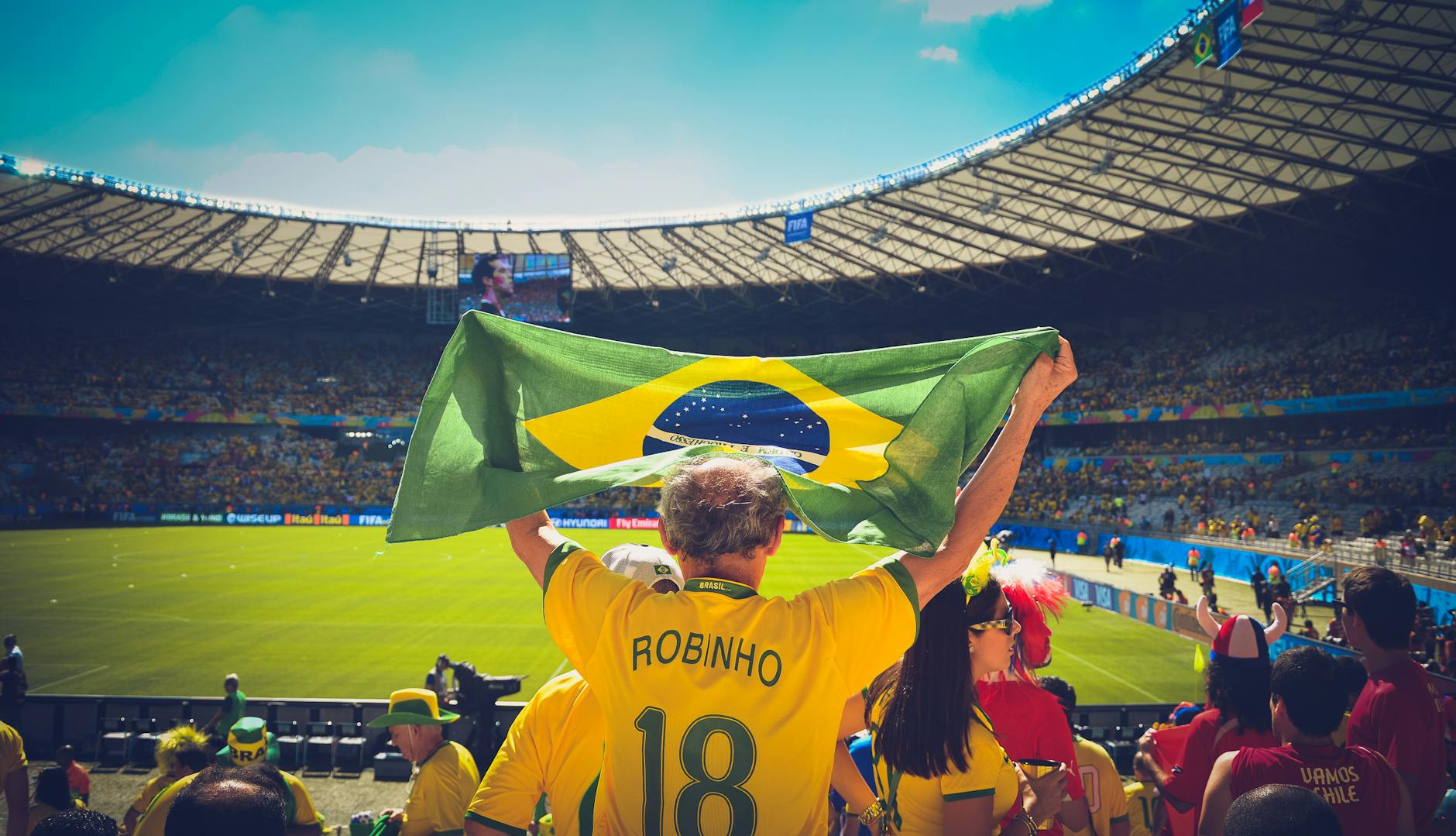
The World Cup has returned to North America, igniting enthusiasm among fans and players alike. However, beneath the surface of this global celebration lies a troubling narrative. Reports have emerged of many fans being denied visas, limiting their ability to attend matches and support their teams. Additionally, the Iranian football team has faced unique challenges, being forced to base itself outside the U.S. due to immigration restrictions. These incidents highlight a significant clash between a world-renowned sporting event and stringent immigration policies.
Adding to the turmoil, players from various countries have reported invasive searches, including the use of sniffer dogs at airports. The implications of such practices only amplify the already tense atmosphere surrounding the event. While the World Cup aims to bring nations together, these restrictions threaten to divide by excluding passionate supporters from experiencing the tournament firsthand.
As the tournament progresses, questions linger about the long-term impact of these exclusions on the spirit of global football. Will the allure of the World Cup continue to shine if access for many fans becomes so limited? The continuing struggle between the celebration of soccer and the barriers imposed by policy raises critical concerns that demand attention.
Why It Matters
Understanding the implications of these visa denials and restrictions goes beyond the individual stories they represent; they reflect broader trends in global migration and policy. The World Cup, a stage typically celebrating unity and camaraderie, now serves as a microcosm of the political climate surrounding immigration, particularly in nations with polarizing policies. This dynamic has the potential to tarnish the image of a sport that thrives on global participation.
Moreover, the experiences of fans and players highlight systemic barriers that, if left unaddressed, may lead to further exclusions in future international events. The ability to partake in such tournaments should not hinge on nationality or governmental policies. The essence of sport is its capacity to unite diverse peoples, and the current landscape indicates a disturbing shift away from this ideal.
As fans around the world prepare for the matches, they must grapple with the realities that not everyone can join the celebration. The implications of exclusion resonate deeply, influencing how we perceive global sporting events and the accessibility of cultural experiences in an increasingly divided world.
Impact on Consumers
The restrictions surrounding the World Cup have a direct impact on consumers, particularly those looking to engage with the event in person or through media. Fans unable to attend the tournament face disappointment, and this has tangible economic implications for local businesses that rely on the influx of visitors. The spirit of the event is dampened when passionate supporters are barred from participation, altering the collective experience.
This scenario also raises questions about how football federations and brands respond. Their ability to reach and engage fans globally will be tested as they navigate these complexities, influencing future marketing strategies and consumer relationships.
- Fans should consider alternative ways to engage with the tournament, such as viewing parties or local events, that foster a sense of community despite physical barriers. Many local establishments will likely host gatherings that could simulate the live experience.
- Understanding the significance of immigration policy can empower consumers, encouraging them to advocate for inclusivity in sporting events. An informed fanbase can push for changes that ensure access for all, regardless of nationality.
- Brands involved in sponsorships and advertising during the World Cup may need to reassess their messaging. Highlighting stories of inclusion or addressing the challenges faced by excluded fans could resonate deeply with the audience and enhance brand loyalty.

BuzzWeave Analysis
As the World Cup unfolds, the narrative surrounding access and inclusion will become increasingly pivotal. The reality is that if trends continue, we may see a significant shift in how global events are perceived and who is allowed to participate. This could lead to a new era of sports where the politics of exclusion overshadow the joy of the game.
Future tournaments need to be more conscious of the barriers they impose on fans and players alike. The challenge lies in reorienting the focus from mere entertainment to the values of unity and representation that sports promise. If football is to remain a truly global game, it must embrace the diversity of its audience rather than sidelining it.
The time has come for both organizers and fans to demand a game that reflects the world’s richness. The beautiful game should be a space for everyone, not just a select few. Let us ensure that the cheers of all fans resonate, echoing the sport’s true essence of inclusivity.
📰 Source: Read original article | Editorially rewritten and analysed by BuzzWeave.