
The Big Picture
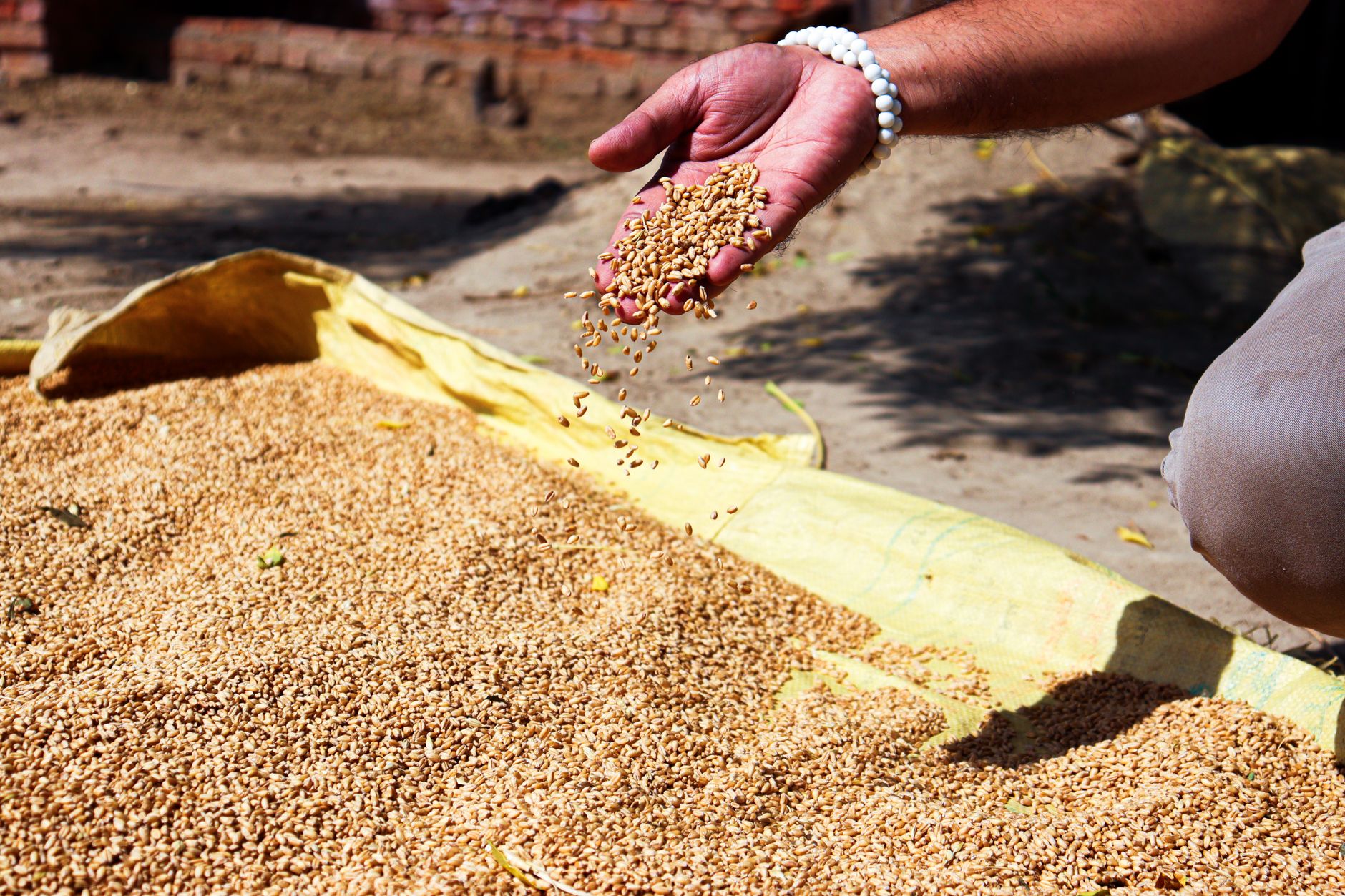
The agriculture landscape has shifted dramatically over the past few decades, morphing from an ecosystem rich in diversity to one dominated by a handful of powerful corporations. Traditionally, farmers thrived on a culture of sharing seeds, fostering biodiversity and resilience in their crops. But the introduction of patents on living organisms has changed everything, enabling corporations to monopolize the seed industry and dictate the terms to farmers who once freely exchanged their harvests.
Today, just a couple of companies command staggering market shares, controlling 70% of U.S. corn and soybean seed sales and nearly 94% of the cottonseed market. This consolidation empowers these corporations not only to set exorbitant prices but also to stifle competition. As a result, smaller seed developers and university researchers find their hands tied by restrictive patent laws that inhibit innovation and exploration in plant breeding.
The implications of this trend extend far beyond the corporate boardroom; they ripple through the lives of everyday people, farmers, and the global food supply chain. The agricultural innovations that once thrived in a more open environment now struggle to survive, leaving both farmers and consumers to bear the consequences of a system designed for corporate gain rather than public good.

Breaking It Down
As the 20th century progressed, the agricultural industry experienced a seismic shift. Initially, the focus was on public research and diverse seed varieties bred to suit local climates and needs. However, this equation changed drastically when governments began granting patents on genetically engineered seeds, fundamentally altering the landscape of agriculture.
Companies that once played a supporting role in bringing these varieties to market soon began to dominate the entire process. By the late 1990s, the introduction of genetically modified organisms (GMOs) allowed these corporations to develop specific traits, such as herbicide resistance, and to lock down their innovations with patents. This led to the exclusion of smaller competitors and limited the ability of farmers to save seeds from one year to the next, undermining the traditional practices that had once ensured agricultural diversity.
Today, the results are staggering: seed prices have skyrocketed by more than 463 percent since 1990. Meanwhile, farmers’ profits have only risen by 56 percent over the same period. This imbalance highlights a disturbing trend, where taxpayer money intended to support farmers is funneled into corporate profits, leaving many struggling to make ends meet while innovation stagnates.
Who Is Affected?
The ramifications of the current seed patent system are profound, affecting not just farmers but entire communities and future generations. As these giants tighten their grip, opportunities for innovation dwindle, and the rich tapestry of agricultural diversity fades.
- Farmers: Many farmers find themselves trapped in a cycle of dependency, forced to buy expensive seeds each season instead of saving their own. This not only eats into their profits but also limits their ability to experiment with crop varieties that could better suit their land and climate.
- Small Seed Companies: The few remaining small seed companies are often unable to compete against the legal and financial might of the larger corporations. This results in fewer options for farmers and less innovation in the development of new seed varieties that could enhance food security and environmental resilience.
- Consumers: Ultimately, consumers are left holding the bag, facing higher prices and fewer choices in the grocery store. As the diversity of crops diminishes, so too does the nutritional variety available to families, leading to a more monotonous and potentially less healthy food supply.
Our Take
As the seed patent crisis unfolds, the consequences resonate well beyond the fields of farmers. We stand at a crossroads of innovation and tradition, where the balance of power has tilted dangerously toward a handful of corporations. The ongoing consolidation threatens not only the livelihoods of farmers but also the integrity of our global food system.
Looking ahead, it’s crucial for policymakers and consumers alike to recognize the stakes involved. We must advocate for regulations that foster competition and protect the age-old practice of seed saving, ensuring that the agricultural landscape remains vibrant and diverse. The future of food security depends on it, and it is our collective responsibility to reclaim the narrative from corporate interests that prioritize profit over people.
In conclusion, the battle over seed patents is not just a legal skirmish; it’s a fight for the very soul of agriculture. We must demand change before it’s too late, for the health of our farmers, our communities, and our planet hangs in the balance.
📰 Source: Read original article | Editorially rewritten and analysed by BuzzWeave.