
What You Need to Know
The recent earthquakes measuring 7.2 and 7.5 magnitudes struck Venezuela, leading to widespread devastation across several regions. As emergency responders continue their frantic search for survivors, the current death toll has tragically reached at least 164, with hundreds still unaccounted for. Infrastructure has sustained significant damage, complicating rescue efforts and further exacerbating the humanitarian crisis.
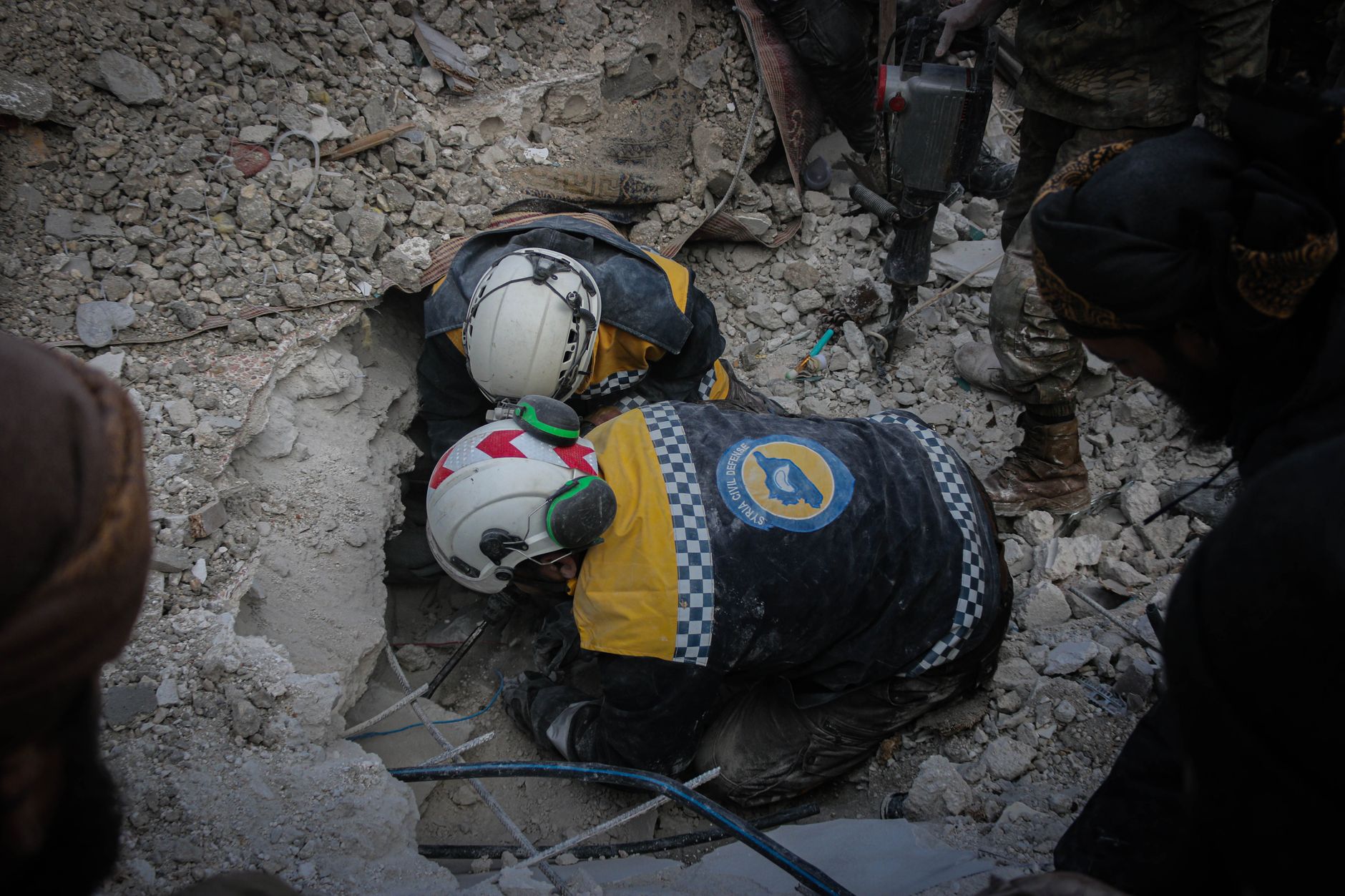
Initial assessments reveal that numerous buildings have collapsed, particularly in heavily populated urban centers, leaving communities in shock and despair. The Venezuelan government has mobilized military and emergency services to assist in the rescue operations, which are being hampered by aftershocks and treacherous conditions. Local hospitals report a surge in patients, many suffering from serious injuries sustained during the earthquakes.
The full extent of the disaster is still unfolding, with local authorities indicating that these numbers could rise as search operations continue. The international community is closely monitoring the situation, with countries poised to offer assistance as the recovery efforts progress. As Venezuela copes with this humanitarian tragedy, the need for urgent aid becomes increasingly apparent.
The Full Story
Venezuela has a long history of seismic activity due to its location along the Caribbean tectonic plate boundary. However, the intensity of these recent earthquakes has caught many by surprise, raising questions about the adequacy of preparedness and response strategies in place. Past occurrences have demonstrated vulnerabilities in building codes and emergency management protocols, which are now starkly highlighted by the devastation of this event.
In the aftermath of the quakes, the government is facing renewed scrutiny over its disaster readiness and the state of public infrastructure. The economic turmoil and political strife that have plagued Venezuela in recent years have left many facilities ill-equipped to handle such emergencies. As rescues proceed, the focus on recovery will also need to address these systemic issues to mitigate future risks.
Furthermore, the humanitarian implications are dire. Thousands are displaced, struggling with the loss of homes and livelihoods. Access to essential services like healthcare is compromised, intensifying the need for a coordinated response not only to aid the immediate victims but also to lay the groundwork for longer-term recovery in the affected regions.
What Changes Now?
This disaster represents a critical juncture for Venezuela, emphasizing the urgent need for a reassessment of disaster preparedness and response protocols. The government’s ability to manage this crisis will be scrutinized, which could have significant implications for its legitimacy and public trust moving forward.
- **Increased International Scrutiny:** The global community’s gaze will be firmly fixed on Venezuela’s response efforts. This could lead to pressure for reform in governance and emergency management systems, as international bodies and NGOs may become more involved in oversight and support initiatives.
- **Shifts in Domestic Policy:** The government may feel compelled to overhaul its approach to disaster preparedness. This includes potentially revising building codes and investing in infrastructure to improve resilience against future seismic events, which could reshape urban planning strategies across the country.
- **Heightened Humanitarian Needs:** The immediate need for food, shelter, and medical care will spur a wave of humanitarian aid. This influx of support could lead to a reevaluation of Venezuela’s social services, prompting a discussion about sustainable long-term solutions to the underlying issues affecting health and safety within communities.

Final Word
The earthquakes that have rocked Venezuela are a stark reminder of the vulnerabilities faced by nations unprepared for natural disasters. As the nation mourns the loss of life and searches for the missing, it is crucial to recognize that this tragedy extends beyond immediate recovery efforts. Structural weaknesses and poor governance have compounded the impact of this disaster, prompting an urgent call for reform that can no longer be ignored.
With the eyes of the world upon it, Venezuela has an opportunity to transform this catastrophe into a catalyst for meaningful change. By prioritizing resilience and accountability in the face of adversity, the country can not only recover from this disaster but also lay the groundwork for a more stable and secure future.
The lessons learned from this crisis must not be overlooked; they are essential for building a safer Venezuela, prepared to withstand the next challenge that nature may deliver.
📰 Source: Read original article | Editorially rewritten and analysed by BuzzWeave.