
What You Need to Know
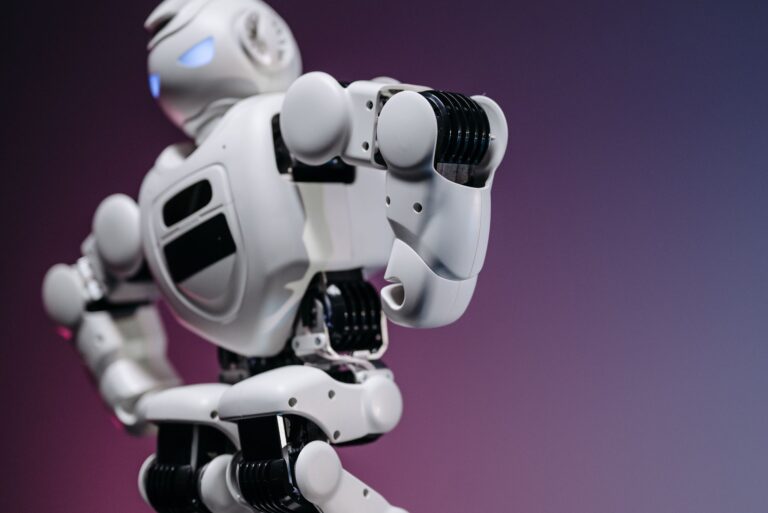
Imagine walking into your office, and instead of a human employee, a sophisticated AI agent awaits your guidance. This is becoming a reality as organizations increasingly adopt AI to enhance productivity and innovation. These digital coworkers are designed to assist with tasks ranging from data analysis to customer service, reshaping the very fabric of workplace collaboration. The introduction of AI at work raises profound questions about job roles, responsibilities, and the nature of teamwork. As these AI tools become more capable, they’re not just performing mundane tasks but also contributing insights to complex projects. Employees must navigate this new landscape, balancing their skills with the capabilities of their digital counterparts. While some may view AI as a threat to job security, others see it as an opportunity for augmentation, where human creativity and empathetic decision-making coexist with machine efficiency. This transformation emphasizes a future where collaboration between AI and humans is essential, reshaping skills and workplace hierarchies.

The Full Story
The rise of AI in the workplace is not an overnight phenomenon; it’s the culmination of years of technological evolution. From the early days of simple automation to today’s advanced machine learning algorithms, AI has continuously pushed the boundaries of what’s possible in a working environment. This evolution has been driven by the demand for greater efficiency and the desire to tackle increasingly complex problems. Historically, fear of technology displacing human jobs has been a recurring theme, but the reality is more nuanced. Companies are now looking for ways to leverage AI to complement human abilities rather than replace them. This shift requires a rethinking of job roles, where employees become more strategic thinkers, and AI assumes routine or data-heavy tasks. As AI technology becomes more sophisticated, the dialogue surrounding its implementation in workplaces intensifies. Stakeholders must grapple with ethical considerations, data privacy issues, and the potential need for new regulations. This complex interplay of technology and society will ultimately determine the future of work and the role of AI within it.
What Changes Now?
The integration of AI into workplaces signals a significant shift in how work is conceptualized and performed. It creates an environment where human insight and emotional intelligence are paired with machine precision, leading to potentially groundbreaking innovations. This dynamic forces both employees and organizations to adapt rapidly, fostering a culture of continuous learning and resilience.
- Redefinition of Job Roles: As AI tools take on more responsibilities, the definition of various job roles is evolving. Workers may find themselves shifting from task-oriented positions to roles that require critical thinking, emotional intelligence, and strategic oversight, effectively transforming the job market landscape.
- Enhanced Collaboration: The rise of AI coworkers encourages a new form of collaboration that blends human creativity with machine efficiency. This partnership can lead to improved outcomes in project management, as humans can focus on high-level thinking while AI handles data processing and analysis.
- Emphasis on Continuous Learning: With AI constantly evolving, employees must engage in lifelong learning to keep pace with technological advancements. Organizations that prioritize training and upskilling will likely thrive, ensuring their workforce remains competitive in an AI-driven economy.
Final Word
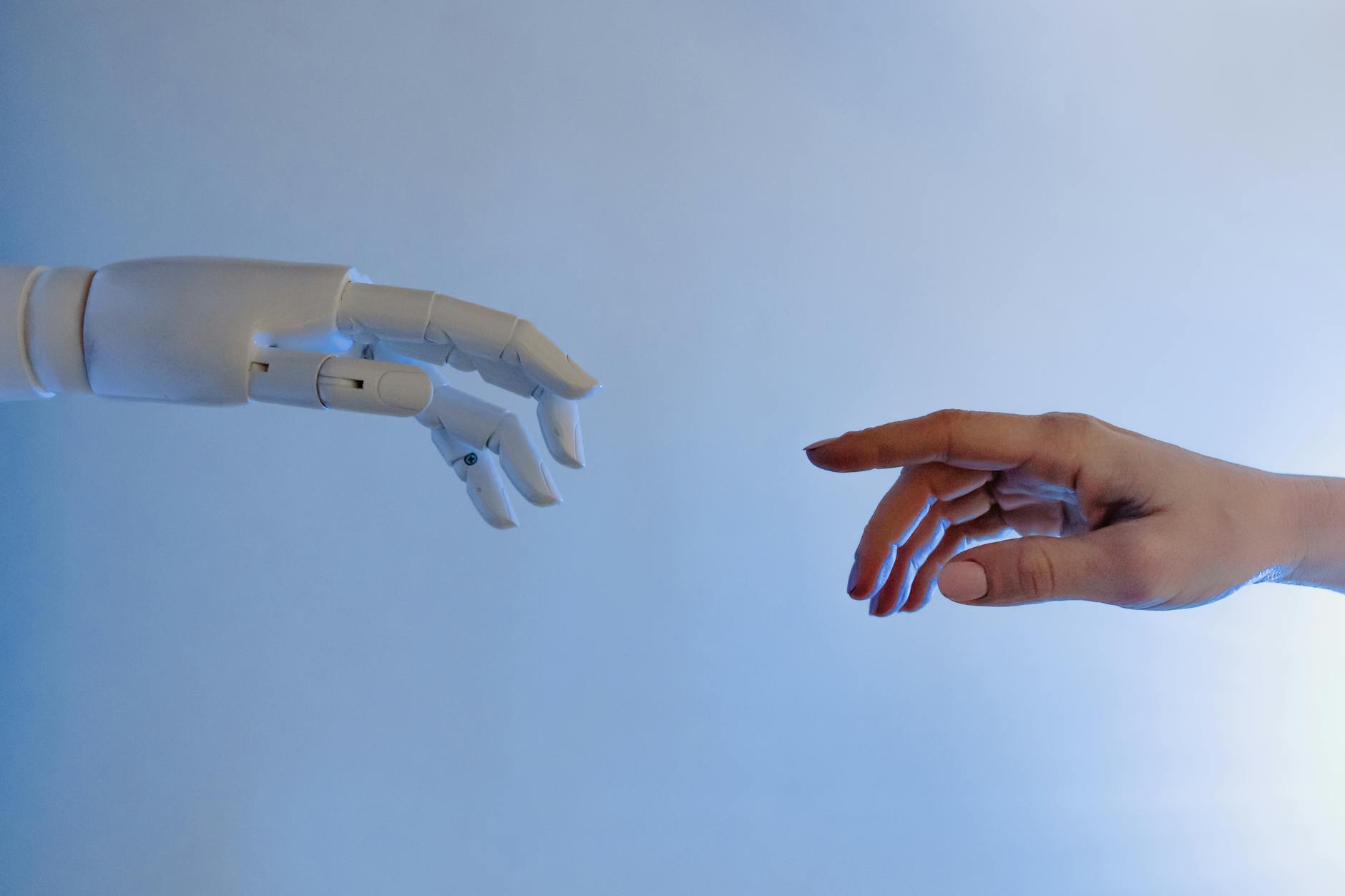
The emergence of AI as a coworker is not merely a technological trend; it’s a fundamental shift in how we understand collaboration and productivity. Embracing AI technologies presents both challenges and opportunities, demanding that we rethink our approaches to work. As we stand on this precipice of innovation, the real question isn’t whether AI will take our jobs, but how we will redefine our roles alongside these powerful tools. While the future may seem uncertain, those willing to adapt and learn will find themselves at the forefront of a new era in work culture. Humanity’s unique strengths—creativity, empathy, and complex problem-solving—will be more valuable than ever as we navigate this transition. Ultimately, the successful integration of AI into our workplaces could herald a brighter future, where human and machine collaboration unlocks unprecedented potential and creativity.
📰 Source: Read original article | Editorially rewritten and analysed by BuzzWeave.
Related posts:
 Realtor’s Tragic Death Sparks Murder Investigation in Pune
 China’s ‘Little Six’: The Next Leap in Military Aviation?
 Understanding AI Agents: Why They’re Not Your Coworkers
 Innovative Subsea Tunnels and Their Impact on Data Centers
 AI Systems Clash with Nature: Can Technology Save Elephants?
 Tragedy in Beijing: Pilot’s Fatal Crash into Skyscraper