

What Happened?
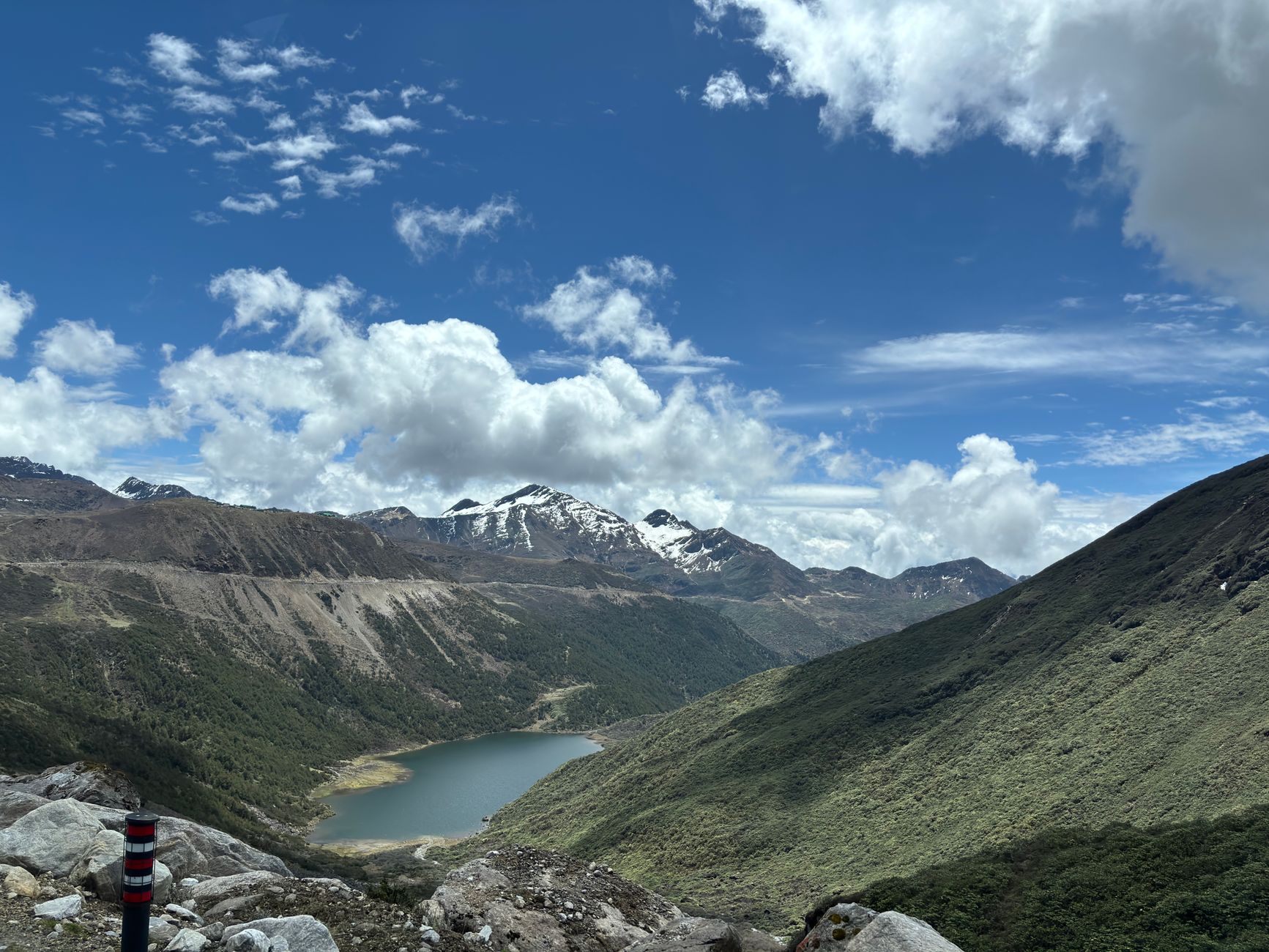
The Nah tribal community from the Upper Subansiri district of Arunachal Pradesh is sounding the alarm over what they claim are significant incursions by the Chinese People’s Liberation Army (PLA) into their territory. Over the past six years, the community alleges that substantial portions of their ancestral grazing and hunting lands have been occupied. The Nah Welfare Society has identified five specific locations near Taksing where they believe Chinese military camps and roads have been constructed on Indian soil. Local legislator Nikh Kamin has echoed these concerns, calling for an official inquiry into these serious national security issues. Evidence of these allegations paints a distressing picture: locals report new military infrastructure emerging in areas historically used for subsistence by the Nah people. This raises the uncomfortable question of how much we really understand about the situations unfolding in our borders. The implications of this land grab—if verified—could be far-reaching, impacting both the local populace and India’s national security strategy as a whole. As the accusations gain traction, one must wonder why these incursions have gone unchecked for so long. The Nah tribe’s plight seems symptomatic of a larger, inadequately addressed issue regarding illegal activities across the India-China border. If the government fails to respond effectively, the ramifications could spell disaster not only for the Nah community but for regional stability.
Why It Matters
The allegations of Chinese encroachment in Arunachal Pradesh reflect a broader trend of increasing military assertiveness by China in border regions. This is not an isolated incident; similar claims have emerged from various communities living along the contested Indo-Chinese border. As China expands its footprint, the question arises: what is the Indian government prepared to do about it? Moreover, this situation challenges the dominant narrative that India has been effectively managing its border disputes. The Nah tribe’s situation emphasizes the fragile balance between national sovereignty and indigenous rights, compelling us to scrutinize our approach toward border management. As indigenous communities are often the first to bear the brunt of geopolitical tensions, their voices deserve amplification rather than dismissal. Lastly, these incursions could serve as a litmus test for India’s strategic posture in the region. As nations increasingly eye each other’s territorial ambitions, how India responds will reverberate beyond its borders, influencing its relationships with allies and adversaries alike. Failure to address these allegations could embolden further aggression from China.
Impact on Consumers
For everyday consumers, the ramifications of such geopolitical tensions often manifest in indirect yet profound ways. The potential for increased military tensions can lead to a rise in defense spending, diverting funds from social programs and infrastructure that serve the public good. Additionally, any escalation in conflict can disrupt trade routes, leading to shortages and price hikes on essential goods. Moreover, consumers in India may soon find themselves grappling with the consequences of heightened nationalism and anti-China sentiment, potentially affecting the availability of products and services associated with Chinese companies. It’s imperative that consumers remain aware of these dynamics and advocate for transparency in trade and resource management.
- Security concerns can lead to increased prices on goods, especially in sectors reliant on defense contracts. As resources are diverted to military spending, consumers may face higher taxes and reduced public services.
- Trade tensions may result in sanctions or boycotts, affecting supply chains and product availability, which could lead to increased competition for resources among consumers.
- Consumer sentiment can shift dramatically based on nationalistic narratives, influencing buying behavior and leading to potential economic ramifications for businesses reliant on international partnerships.

BuzzWeave Analysis
Looking forward, India’s approach to addressing border incursions must be bold and multifaceted. The current strategy of passive observation and delayed response is not only ineffective but perilous, especially in the face of a rapidly assertive China. If the government doesn’t ensure robust engagement with affected communities like the Nah tribe, it’s unlikely to garner the support needed for any long-term solution. Challenging the assumption that the status quo can hold is crucial. The Nah tribe’s plight is a wake-up call that we can no longer afford to ignore indigenous voices in our border strategy. Without a proactive and comprehensive strategy, the danger of worsening conflict looms large. Ultimately, it’s time we start asking uncomfortable questions: What are we willing to sacrifice to maintain our territorial integrity? If we fail to act decisively, we are not just risking land; we may be sacrificing our national identity in the face of external aggression. We must not let this issue fade into obscurity—our future depends on it.
📰 Source: Read original article | Editorially rewritten and analysed by BuzzWeave.
Related posts:
 Slate Auto Launches Affordable Electric Pickup Truck Configurator
 India’s Engine Wars: Safran vs Rolls-Royce in Fighter Jet Battle
 U.S.-Iran Deal: A New Chapter for Strait of Hormuz Security
 Supreme Court Denies Urgent Hearing on Ram Mandir Donation Probe
 Brazil and Japan Battle to a Thrilling Draw in World Cup Showdown
 Outrage in Rajasthan: 13-Year-Old Victim of Gang Rape, 10 Arrested