
The Big Picture
Egypt has a rich footballing heritage, yet the country’s national team has not qualified for the World Cup since 1990. This absence from the tournament has led to a complex relationship with football, where hope often collides with disappointment. As the World Cup draws near, the anticipation and frustration reach new heights, with fans reminiscing about past glories and envisioning a better future for the sport in the nation.
The socio-economic landscape in Egypt also plays a crucial role in shaping this dialogue. With high unemployment rates hovering around 9%, many citizens view football not just as a sport, but as a potential avenue for national pride and unity. This undercurrent of hope is palpable, especially as global events like the World Cup offer a temporary escape from daily struggles and a possible platform for redemption.
In this context, advertisements tapping into these sentiments resonate deeply. They do more than promote a product; they evoke shared memories and aspirations, leading fans to debate their hopes and expectations from the national team. This dynamic creates fertile ground for discussions that transcend mere fandom, touching upon the very identity of the nation itself.
Breaking It Down
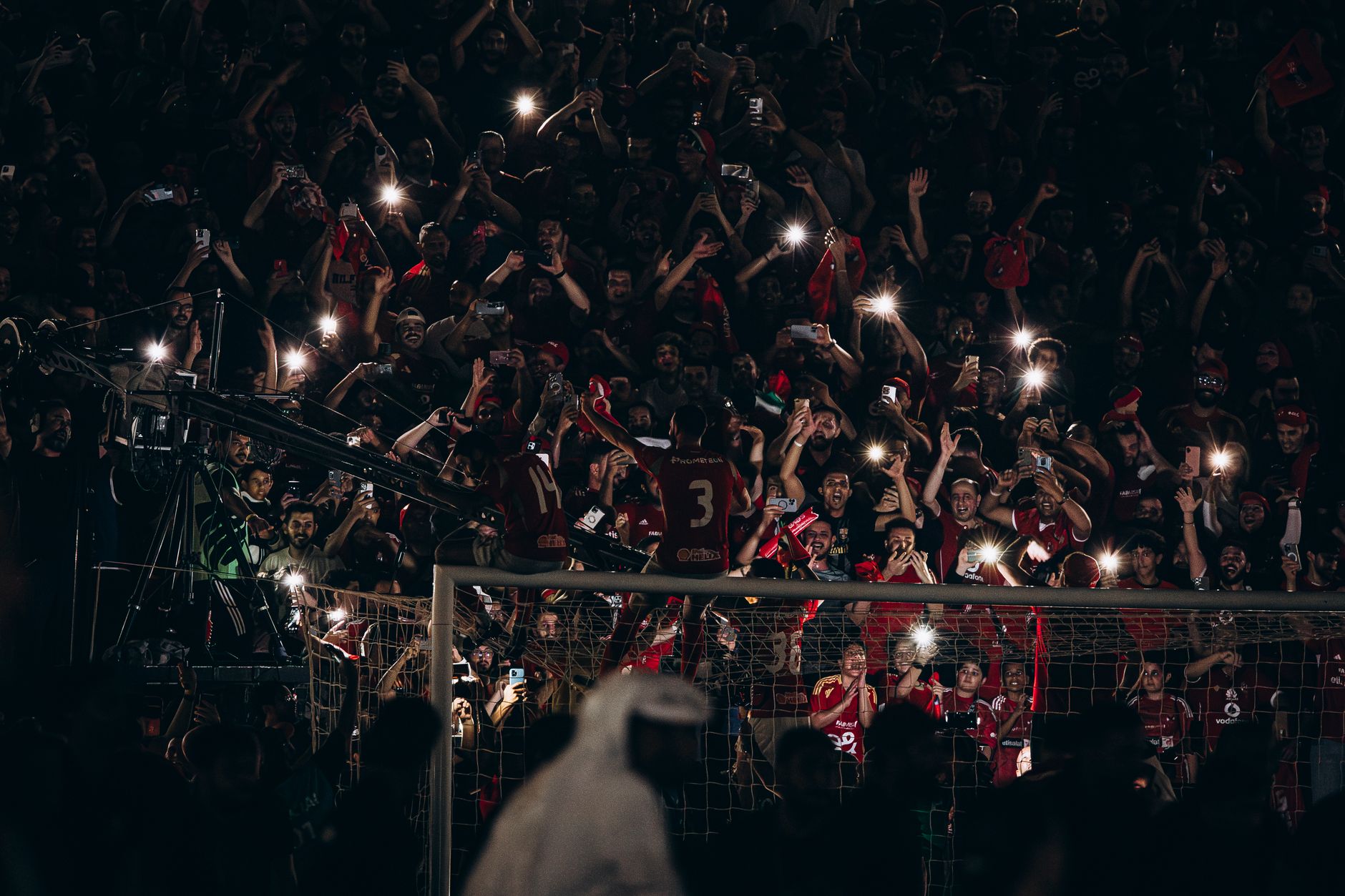
The viral ads began circulating in late June 2026, coinciding with the build-up to the World Cup. Featuring popular Egyptian players and cultural references, the campaign quickly garnered millions of views on social media platforms. It deftly captured the essence of what it means to be an Egyptian football fan — the thrill of the game intermixed with the sting of past failures.
One particular ad highlighted the emotional journey of fans through poignant imagery and stirring music, evoking nostalgia for the 1990 World Cup and the collective yearning for a return to glory. Discussions on social media quickly escalated as fans voiced their passions, frustrations, and aspirations, further amplifying the campaign’s reach. Within days, major influencers and commentators weighed in, creating a ripple effect that transformed ads into a national conversation.
The advertising agency behind the campaign reported a 200% increase in engagement metrics compared to previous efforts. This validation of their strategy underscored the effectiveness of appealing to deep-seated emotions, and the campaign’s impact goes beyond mere marketing; it has sparked a reassessment of national sentiment regarding football and pride.
Who Is Affected?
The emotional resonance of the World Cup ads in Egypt extends to various segments of the population, each interpreting the narrative through their unique lenses. Football fans, regardless of age, find a sense of community and purpose in these dialogues, while others are prompted to reflect on their national identity in the face of sports-related letdowns.
- Football Fans: This group feels the most immediate impact, as the campaign galvanizes their hopes for the national team. The ads serve as a rallying cry, reinforcing the idea that despite historical letdowns, collective support can foster a more hopeful future.
- Young Egyptians: With a significant portion of the population under 30, young people are particularly influenced by the campaign. They see these ads as a beacon of possibility, inspiring them to believe in a future where their team can restore national pride on a global stage.
- Sports Marketers: Professionals in the industry take note of the campaign’s success, which serves as a case study on the efficacy of emotional marketing. Their strategies may evolve as they also recognize the potential of tapping into nationalistic themes to drive engagement in other sectors.

Our Take
The viral response to these World Cup ads reveals something profound about the psyche of Egyptian football fans. It underscores the significant role that football plays in national dialogue, acting as a barometer for broader social issues and collective aspirations. As Egypt prepares for the World Cup, it is crucial to monitor how these sentiments evolve and how they may influence future performances on the field.
Looking ahead, the implications of this campaign could lead to an uptick in national support for the team, reflecting a renewed belief in their capabilities. Meanwhile, advertisers will likely continue to explore themes of hope and aspiration, understanding that these narratives resonate deeply within the cultural context. The challenge will be maintaining this momentum and translating it into tangible success for the players on the pitch.
In conclusion, the World Cup ads are not merely promotional tools; they serve as a mirror reflecting the hopes and dreams of a nation. As Egypt navigates through its complex relationship with its football past, the power of these narratives will continue to shape the discourse surrounding national identity and pride. The call for unity and ambition resonates strongly, and it remains to be seen how this will translate into action in the coming months.
📰 Source: Read original article | Editorially rewritten and analysed by BuzzWeave.