
What You Need to Know
Europe is grappling with a historic heat wave, one that is causing significant strain on its energy infrastructure. With temperatures reaching record highs, many residents are relying on air conditioning and cooling systems, which in turn pushes electricity demand to unprecedented levels. This surge in demand is straining the power grid, leading to concerns about reliability and stability of energy supply in several countries.
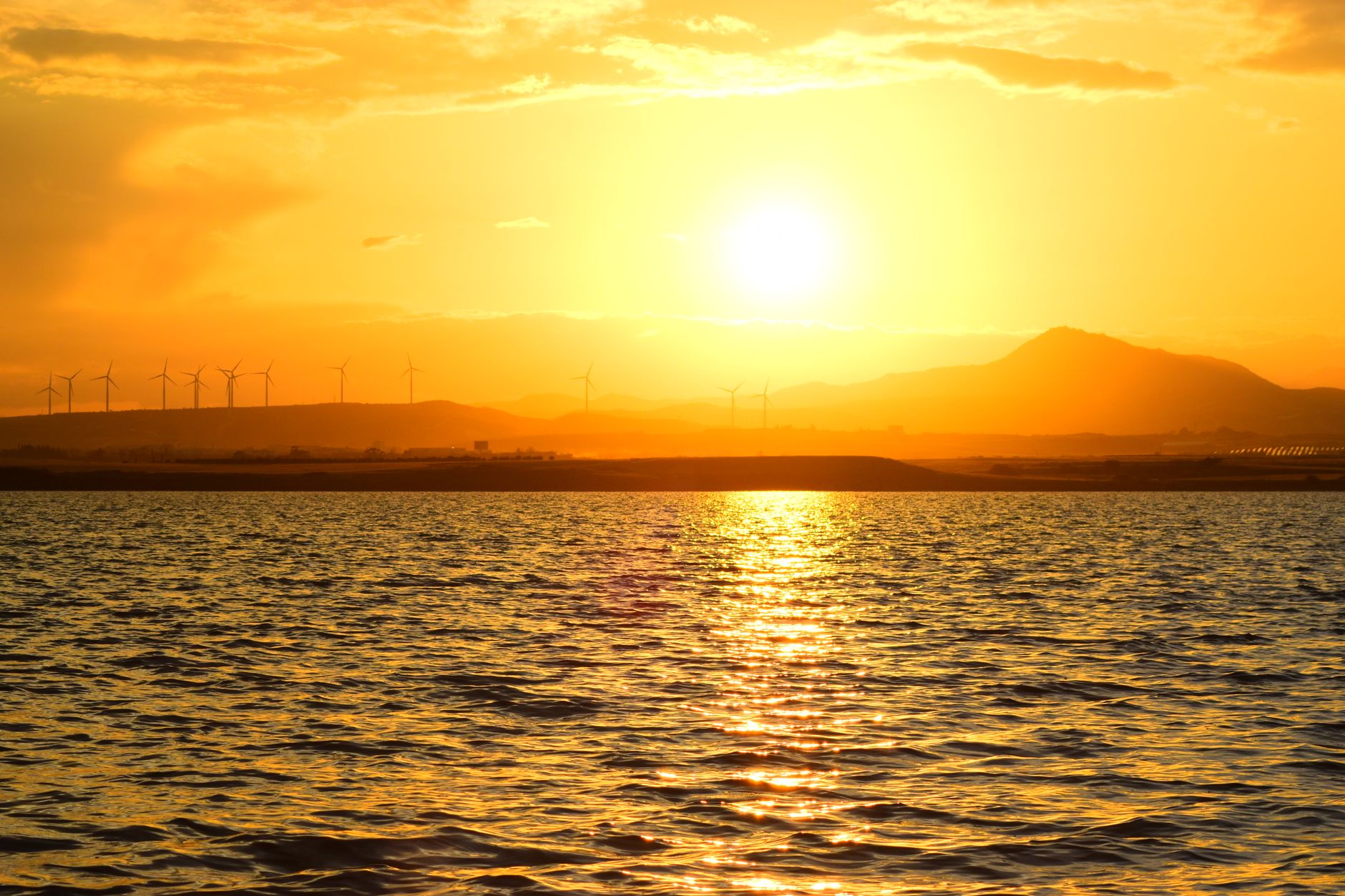
” alt=”Heat wave impact”>
The extreme weather has also resulted in various power plants being forced to shut down. High temperatures can affect power generation, especially for thermal plants that rely on water for cooling, and many have been operating at reduced capacity or are offline altogether. As a result, countries are being pushed to implement emergency measures to manage energy consumption, with many governments urging citizens to conserve electricity.
The situation is compounded by broader conversations around climate change and its implications for energy systems. As heat waves become more frequent and severe, the need for resilient energy solutions will become increasingly critical. Policymakers and energy providers are now more than ever faced with the challenge of adapting energy strategies to account for these extreme weather patterns.
The Full Story
This current heat wave is part of a worrying trend attributed to climate change, which is causing more intense and prolonged periods of extreme weather globally. Over the past few decades, Europe has seen a marked increase in average temperatures, leading to changes in seasonal weather patterns and an uptick in heat-related incidents. The impact on the energy sector is profound, as traditional power generation methods struggle to keep pace with rising demand during such weather events.
As Europe attempts to transition towards renewable energy sources, the heat wave reveals vulnerabilities in existing infrastructure. Power plants that depend on coal, natural gas, or nuclear fuel are facing operational challenges under extreme conditions, highlighting the need for diversification in energy sources. This scenario raises important questions about energy security and the speed at which the region can effectively implement sustainable energy solutions.
The urgency of the situation is prompting governments and energy providers to rethink their strategies. Energy conservation measures are being promoted more vigorously, and investments in solar, wind, and battery storage technologies are gaining momentum. However, the path to a more resilient and adaptable energy infrastructure will require substantial and immediate commitment from both the public and private sectors.
What Changes Now?
As Europe copes with the immediate fallout from the heat wave, the energy landscape is likely to undergo significant changes. The need for greater energy efficiency and resilience in power systems is clearer than ever.
- Increased investment in renewable energy: The current crisis is prompting governments to accelerate investments in renewable energy solutions. This shift is significant as it not only addresses immediate power supply issues but also aligns with long-term climate goals, potentially leading to a more sustainable energy framework.
- Policy shifts towards energy conservation: The heat wave is driving policymakers to implement stricter regulations surrounding energy use during peak times. This represents a cultural shift towards prioritizing energy conservation, making it a central pillar in future energy policy, which can lead to lasting behavioral changes among consumers.
- Technological innovation in energy management: The urgency created by the heat wave is likely to spur advancements in energy management technologies. Innovations such as smart grids and energy storage systems will become essential, helping manage supply-demand dynamics more effectively and reducing vulnerability to extreme weather events.

” alt=”Energy management solutions”>
Final Word
The ongoing heat wave in Europe is more than a fleeting weather event; it is a wake-up call for an energy system that must evolve in the face of climate change. As temperatures rise, so too do the stakes for energy reliability and sustainability. The lessons learned during this crisis may very well shape the future of the continent’s energy landscape.
This scenario emphasizes the importance of diversifying energy sources and investing in technologies that can withstand the pressures of climate extremes. As we move forward, it is crucial to embrace a proactive approach to energy management, one that not only anticipates challenges but also seizes the opportunity for transformation.
As Europe navigates this heat wave, the path it chooses today could define its energy landscape for generations to come. The time for action is now, lest we find ourselves unprepared for the next wave of change.
📰 Source: Read original article | Editorially rewritten and analysed by BuzzWeave.