What Happened?
Construction has officially commenced on the E39, a groundbreaking subsea tunnel project designed to connect Norway’s coastal communities. Stretching over 27 kilometers (approximately 17 miles) and plunging 300 meters (around 1,000 feet) below the North Sea’s surface, this tunnel is poised to transform travel across Norway’s rugged terrain. This ambitious undertaking is expected to cost around €25 billion, funded by a combination of government investments and public-private partnerships, with completion projected for the late 2030s.
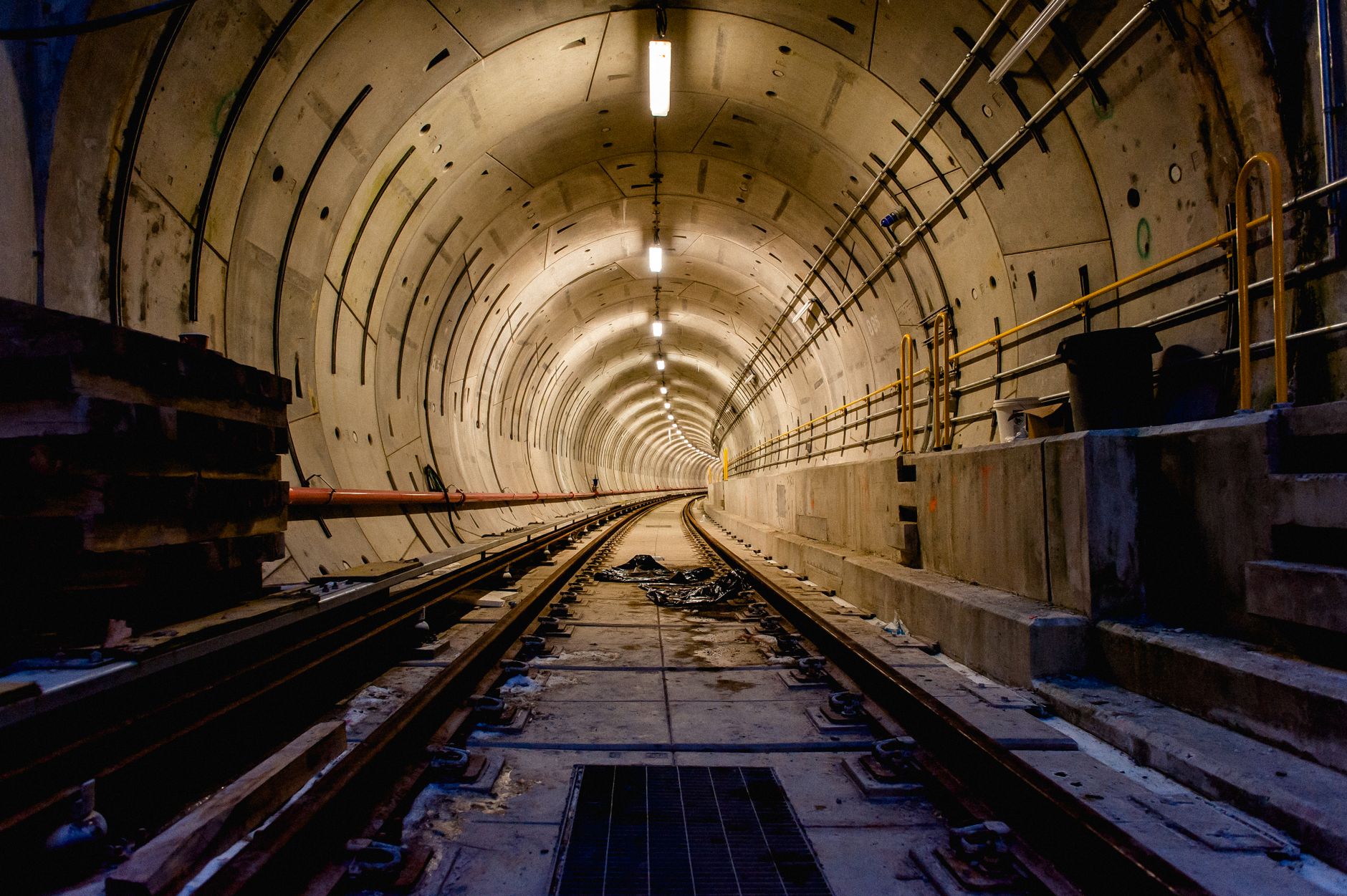
As engineers and construction teams navigate the challenges of high pressure and cold temperatures, they are employing innovative technologies such as advanced tunneling machines and autonomous vehicles. The E39 is designed not only for vehicles but also to withstand extreme weather conditions, ensuring operational safety and efficiency. The project aims to eliminate the perilous ferry rides currently required to traverse fjords, cutting travel time significantly and enhancing economic prospects in the region.
Why It Matters
The E39 tunnel represents a significant step towards sustainable infrastructure development in an era where climate change and environmental concerns are paramount. By facilitating smoother transport routes, it is expected to reduce carbon emissions generated by ferry transport, aligning with Norway’s ambitious climate goals of becoming carbon neutral by 2030. Moreover, this engineering marvel serves as a prototype for similar projects worldwide, showcasing how modern technology can overcome geographic barriers.
In addition to its environmental benefits, the tunnel promises to stimulate local economies. By improving connectivity, residents and businesses will have better access to markets and resources, driving innovation and growth in remote regions. The project is expected to support thousands of jobs during construction and generate long-term employment opportunities upon completion, further solidifying its economic significance.
Impact on Consumers
For the everyday consumer, the E39 tunnel will mean reduced travel times and lower transportation costs, translating into saved time and money. Moreover, the potential for increased local trade will lead to greater product availability and competitive prices, benefiting consumers across the board. As a result, the E39 tunnel will redefine not just travel but also economic dynamics in the region.
- Enhanced Convenience: The tunnel will drastically shorten travel times across Norway’s coastal regions, making commutes easier and more efficient for residents.
- Economic Growth: With better connectivity, local businesses can thrive, leading to a wider array of products and services available to consumers, all while potentially lowering costs.
- Environmental Sustainability: By reducing reliance on ferries, the tunnel contributes to lower carbon emissions, resulting in a healthier environment and fostering a sustainable future.
BuzzWeave Analysis
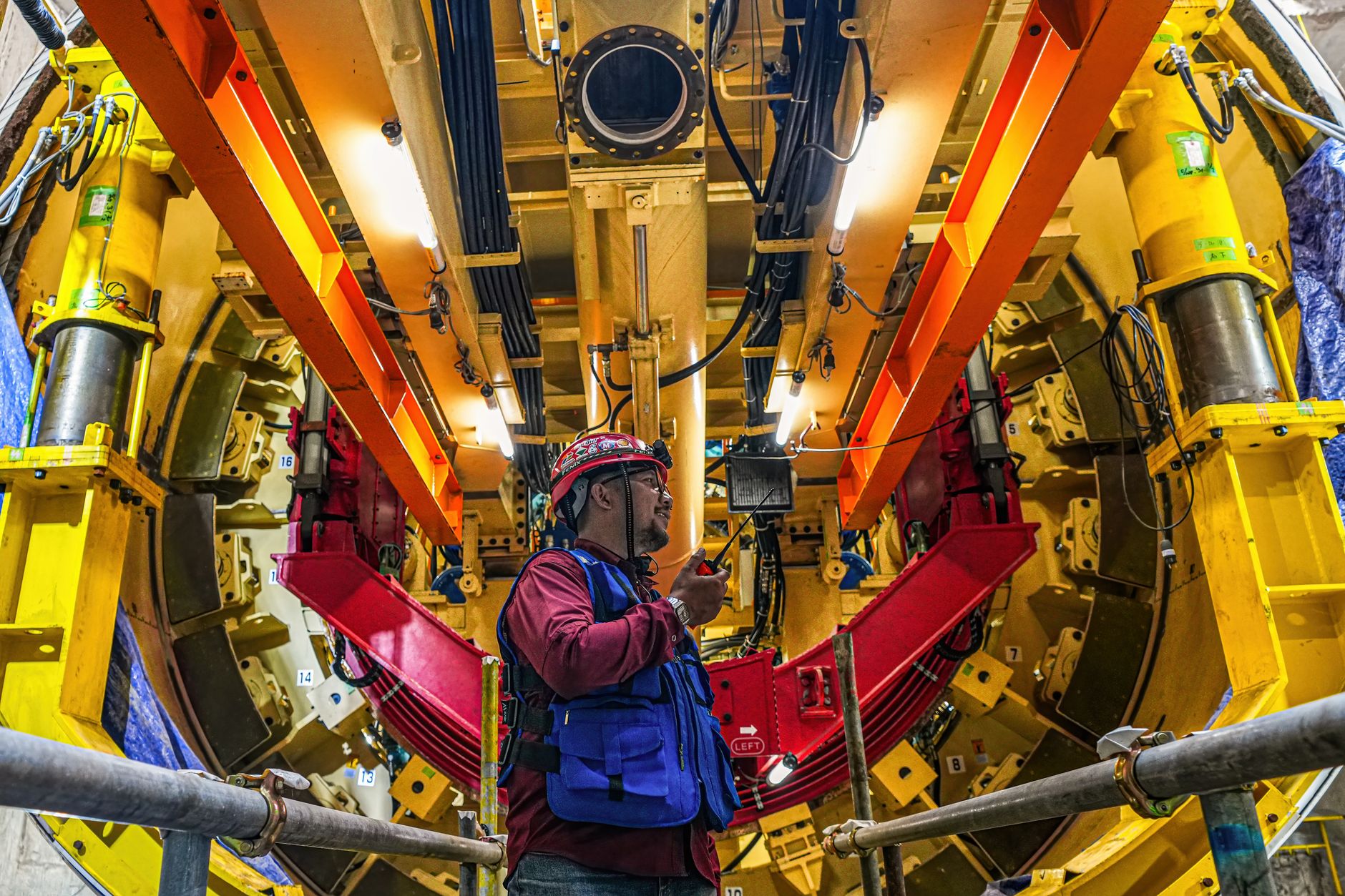
The introduction of the E39 tunnel raises critical questions about the future of infrastructure development in other challenging environments. As cities around the globe grapple with aging infrastructure, the lessons learned from this project could redefine how we approach similar endeavors. This initiative challenges the assumption that such ambitious undertakings are beyond reach due to environmental or technical limitations, illustrating that innovation can indeed pave the way for progress.
Looking ahead, we predict that the success of the E39 will inspire a wave of investment in similar projects, not just in Norway but across the globe. As nations strive to meet climate goals while enhancing connectivity, the marriage of technology and sustainability will become paramount. Ultimately, the E39 may not just be a tunnel; it could represent the dawn of a new era in engineering, one where the depth of our commitment to progress is matched only by the depths we are willing to explore.
📰 Source: Read original article | Editorially rewritten and analysed by BuzzWeave.