
The Big Picture
The climate crisis is more than just a series of record-high temperatures; it’s a harbinger of societal upheaval. The past few decades have seen an alarming rise in global temperatures, driven by unchecked carbon emissions and neglect of sustainable practices. As heatwaves spread like wildfire, the psychological toll on populations is becoming alarmingly apparent, signaling that we are not just physically uncomfortable but mentally compromised.
Our reliance on technology, once viewed as a silver lining in the battle against climate change, presents its own contradictions. AI and other innovations offer potential solutions, yet they operate within a crumbling framework of environmental stability. The irony is palpable: as we look to machines for salvation, we remain tethered to an outdated economic model that ignores the fundamental changes our planet is facing.
As we brace for future extremes, it’s crucial to recognize the intertwining paths of climate and technology. Not only are we battling the heat, but we also face unprecedented restrictions from tech giants like OpenAI, which hint at the costs of our digital dependencies. The future is here, and it’s hotter and more complex than we ever anticipated.
Breaking It Down
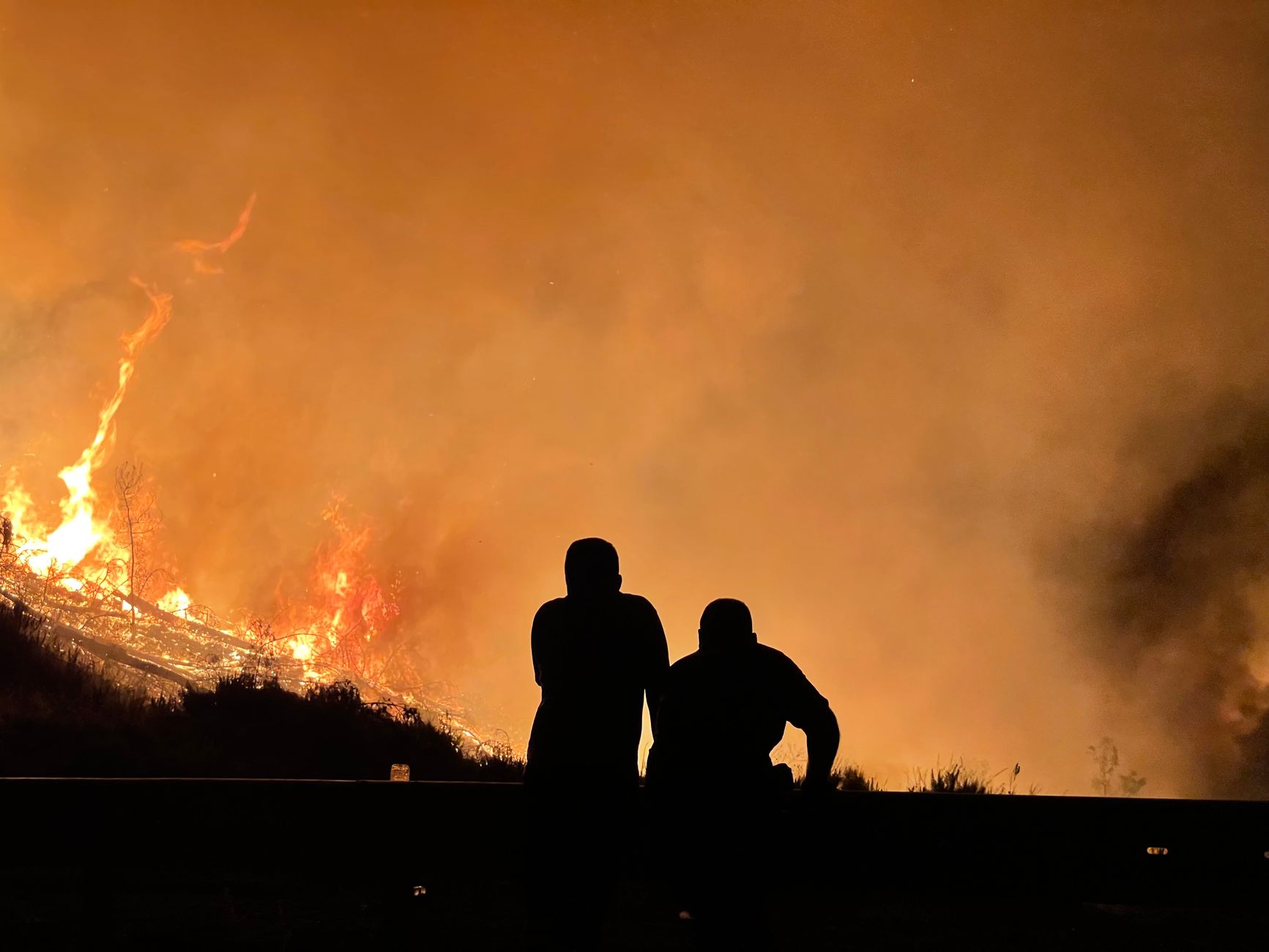
Recent events have seen Europe, particularly the UK, grappling with dangerously high temperatures. Just this past week, London sweltered under a heatwave that shattered records, pushing thermometers to levels that can compromise human health. It’s not a coincidence that scientists are linking these extreme conditions to cognitive decline; distracted drivers and heated tempers have become the norm, revealing just how fragile our mental states are under severe weather.
The European Centre for Medium-Range Weather Forecasts reported that these rising heat levels could become a common phenomenon, hinting at a dire future for urban centers. As cities continue to expand, the urban heat island effect exacerbates conditions, making resilience more difficult to achieve. With infrastructure buckling under this pressure, the question arises: are we prepared for the climate-induced crises that await?
Amidst these heatwaves, OpenAI has implemented extensive restrictions on its AI models, curtailing access to information that could help navigate these challenging times. While such measures are often justified in the name of safety, they risk stifling innovation at a moment when we need it most. The challenge lies in balancing regulation with the necessity of leveraging technology to combat the very crises we face.
Who Is Affected?
The consequences of these heatwaves extend far beyond mere discomfort; they threaten entire communities and sectors. Vulnerable populations are at the forefront, facing the harsh realities of inadequate access to resources. As we witness the effects of these unprecedented conditions, one must consider who bears the brunt of this climate onslaught.
- **Urban Dwellers:** City residents, particularly in lower-income neighborhoods, often lack adequate cooling solutions, making them susceptible to heat-related illnesses. Limited access to green spaces and public cooling centers exacerbates their plight, leading to increased health risks.
- **Healthcare Workers:** As temperatures rise, healthcare professionals are inundated with patients suffering from heat stress and related conditions. This surge in demand strains resources and reveals the fragile state of our healthcare systems under climate duress.
- **Tech Innovators:** Developers and researchers are faced with the challenge of adapting AI models to reflect changing environmental data. The restrictions placed on AI development hinder their ability to innovate solutions that can address climate change effectively.

Our Take
The intertwining crises of climate change and technological restriction paint a stark picture of our future. It is evident that we cannot afford to ignore the pressing issues we face; the stakes have never been higher. The growing mental strain brought on by heatwaves coupled with the suffocation of innovation represents a collision course we cannot ignore.
As we move forward, it’s imperative to advocate for a dual focus on environmental sustainability and technological advancement. The future will not wait for us to catch up; it demands immediate action. We must challenge ourselves to rethink our approach to both climate policy and tech development, fostering solutions that prioritize human welfare over profit margins.
In this high-stakes drama where heatwaves clash with the evolving landscape of AI, complacency is not an option. It’s time for bold action that transcends the boundaries of traditional thinking and embraces a future where technology and climate resilience go hand in hand, or risk succumbing to the very heat that threatens to melt our minds.
📰 Source: Read original article | Editorially rewritten and analysed by BuzzWeave.