
What Happened?
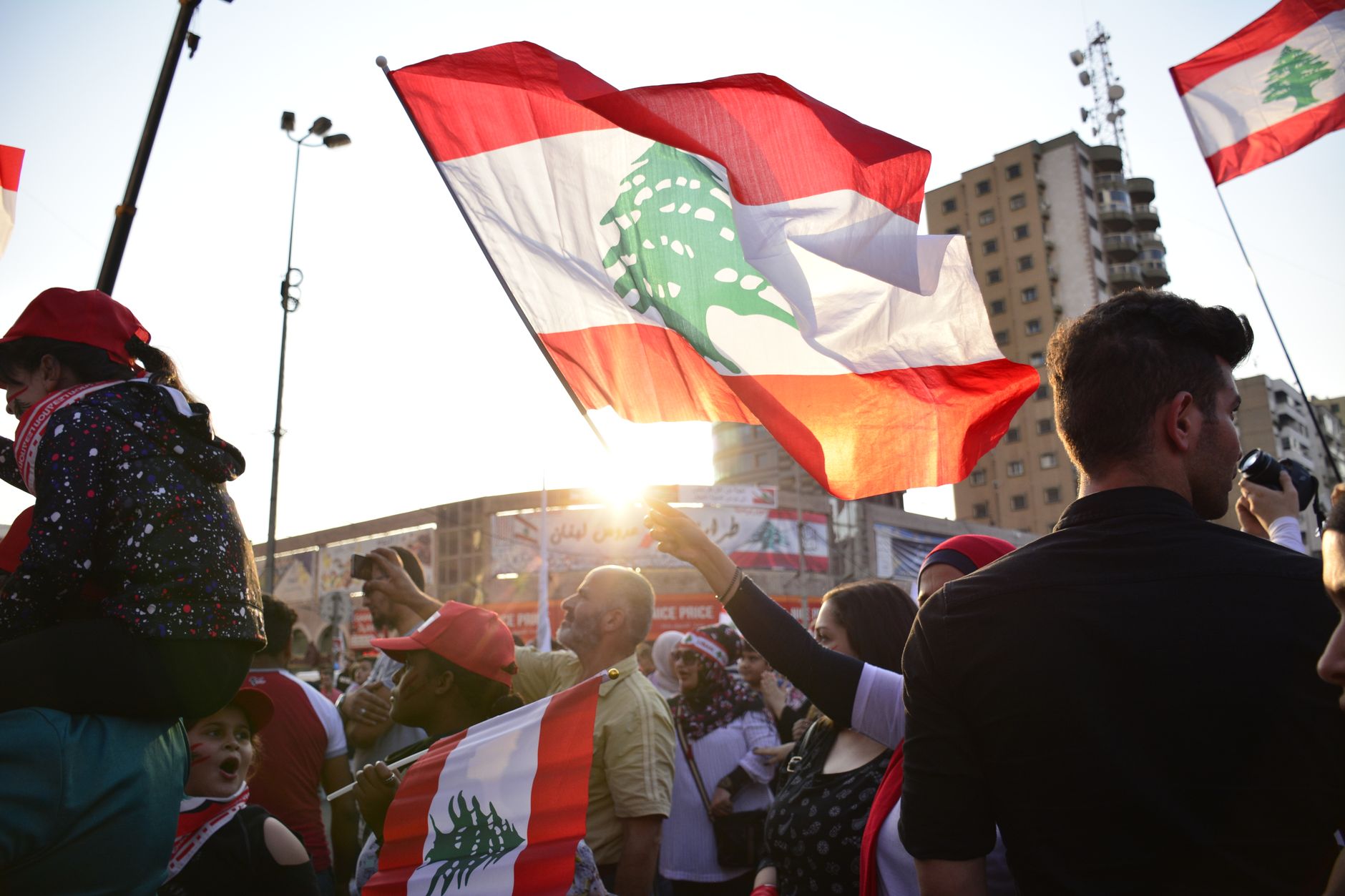
After intense negotiations lasting four days, Israel and Lebanon have agreed to a framework aimed at resolving a prolonged conflict that has claimed over 4,000 lives and displaced more than 1.2 million people. The talks, facilitated by U.S. officials in Washington, aimed to establish a ceasefire amidst ongoing hostilities, with Israel occupying approximately 20% of Lebanese territory. Under the new agreement, the Lebanese military is tasked with regaining authority over its territory, a process that is intricately linked to the disarmament of Hezbollah, an armed group resistant to such demands. The framework outlines a gradual Israeli military withdrawal from specific areas in Lebanon, designated as “pilot zones.” These zones are strategically located south of the Litani River and in other recently occupied territories. However, the plan has been met with skepticism, particularly by Hezbollah, whose leader Naim Qassem described the agreement as “null and void,” insisting that Israel must first end its occupation before any disarmament can occur. As news of the agreement spread, protests erupted in the streets of Beirut, with Hezbollah supporters expressing their discontent by blocking roads and burning tires. The sentiment among these demonstrators underscores the fractures within Lebanon regarding the potential for peace, as many believe the framework fails to adequately address their national interests or the realities on the ground.

Why It Matters
The Israel-Lebanon framework agreement is more than just a local ceasefire; it represents a critical juncture in Middle Eastern geopolitics. The long-standing conflict has implications that stretch beyond the borders of Lebanon, intertwining with regional power dynamics involving Iran, Israel, and international allies. A failure to sustainably address Hezbollah’s role could perpetuate cycles of violence, threatening not only Lebanese sovereignty but also regional stability. Additionally, the agreement’s focus on the disarmament of non-state actors highlights a broader trend in global conflict resolution, where state sovereignty is often pitted against armed groups claiming political legitimacy. In this case, Hezbollah’s refusal to disarm could destabilize Lebanon further, challenging the authority of the Lebanese government and complicating efforts to create a unified national response to the crisis. As seen in the past, agreements that do not receive the backing of all significant parties—particularly armed factions—are prone to collapse. This raises questions about the effectiveness of U.S. mediation in the region and whether external pressures can realistically lead to meaningful change in entrenched conflicts.
Impact on Consumers
For consumers in Lebanon and the surrounding regions, the implications of the Israel-Lebanon agreement could be profound. The continuation of conflict can lead to economic instability, affecting daily life and livelihoods. Furthermore, the potential for escalated violence can hinder international aid and investment, which are crucial for recovery and rebuilding efforts in war-torn areas. As the political landscape evolves, consumers should remain alert to changes in security and governance that may affect the availability of goods and services. Stability is essential for economic revival, and any increase in hostilities could exacerbate existing vulnerabilities in the local economy.
- Heightened tension in the region can disrupt supply chains. Businesses may face delays in goods delivery, leading to increased prices for consumers and difficulty in accessing necessary products.
- Increased conflict may lead to further displacement of people, which can strain local resources and services. As the humanitarian situation worsens, residents may see a decline in the quality of services they depend on.
- The reaction of global markets to instability in Lebanon could lead to fluctuations in oil prices and other commodities. Consumers should be prepared for potential hikes in energy costs, impacting everything from gas prices to heating bills.
BuzzWeave Analysis
The new framework agreement between Israel and Lebanon suggests a cautious step towards potential peace, but it is rife with challenges that could derail any progress. The insistence on Hezbollah’s disarmament as a precondition represents a significant hurdle, as the group enjoys popular support among many Lebanese who view it as a defender against Israeli aggression. Unless both sides can find common ground, it is likely that this fragile peace process will fail to deliver lasting stability. Moreover, the situation poses a dilemma for the United States and other international stakeholders: how to support a government that struggles to command authority while managing a powerful military group like Hezbollah. The outcome of this agreement will test not only diplomatic skills but also the resilience of Lebanon’s political structure. In this intricate web of regional conflict, one truth remains evident: peace is never merely a matter of signing agreements. It requires deep-seated changes in perceptions, trust-building measures, and a commitment to coexistence. Whether this framework can foster such an environment remains to be seen, but the stakes couldn’t be higher.
📰 Source: Read original article | Editorially rewritten and analysed by BuzzWeave.