
What Happened?
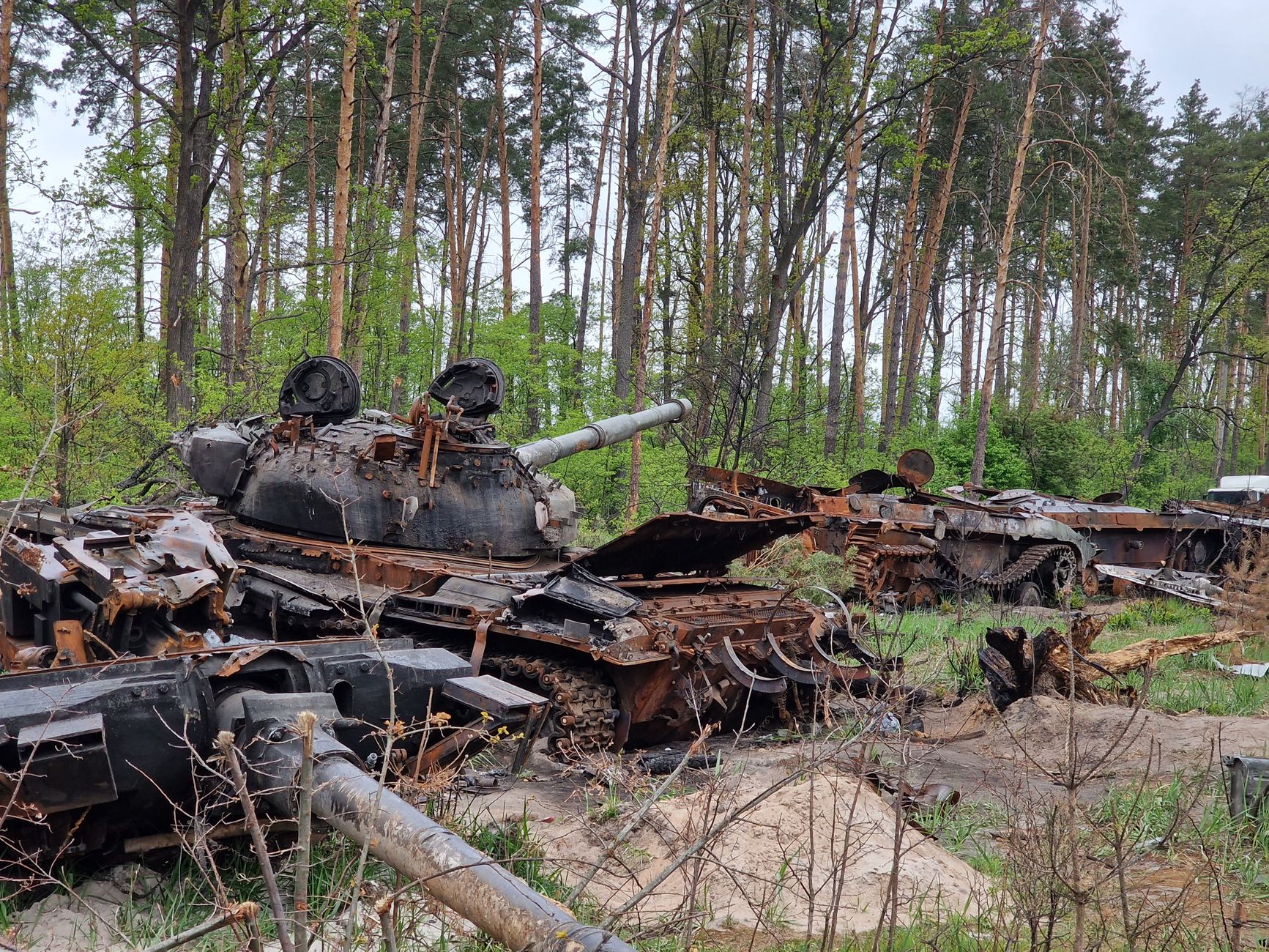
In a rare admission, President Vladimir Putin faced the reality of increasing Ukrainian assaults on Russian soil during a recent address. The Ukrainian military has displayed audacity by striking targets beyond its borders, marking a significant shift in the conflict’s dynamics. Notably, drone strikes have targeted Russian airfields and military installations, reaching cities like Kursk and Bryansk, which were previously considered safe from such attacks. The Russian response has been a mix of fury and bluster, with authorities scrambling to bolster defenses and retaliate against perceived aggressions. Reports indicate that Ukrainian forces are utilizing advanced drone technology, showcasing a strategic evolution that has left Moscow reeling. This shift is not just military; it reflects a growing confidence in Ukraine’s ability to challenge Russia directly, reshaping the narrative of the war. Putin’s acknowledgment of this “difficult period” raises eyebrows, as it suggests that the Kremlin is grappling with internal dissent and challenges to its longstanding narrative of invincibility. Amidst the backdrop of military setbacks, questions about the cohesion of Russian society and the regime’s grip on power come to the fore, revealing cracks in the facade of stability that Putin has cultivated over the years.
Why It Matters
The implications of Ukraine’s military actions extend beyond the immediate conflict, signaling a potential realignment of global power dynamics. As Ukraine demonstrates its capability to strike deep into Russian territory, it sends a clear message to other nations: the old rules of engagement are being rewritten. This escalation not only affects NATO’s strategic outlook but also forces countries like China and India to reassess their alliances and commitments. Moreover, the conflict’s evolution challenges the narrative of Russian military superiority, which has long been a cornerstone of Putin’s regime. If Ukraine can sustain this momentum, we may witness a fundamental shift in the balance of power in Eastern Europe, with ripple effects felt across global markets and international relations. The potential for a resurgent NATO or a fragmented Russian sphere of influence poses a significant threat to the current geopolitical order. On a societal level, the war is reshaping public perceptions of conflict, military engagement, and national identity. As citizens witness these developments, the narrative around nationalism and military pride is likely to evolve, impacting not only Russia and Ukraine but also how other nations approach their own defense strategies and international relations moving forward.
Impact on Consumers
Consumers around the world are beginning to feel the repercussions of the Ukraine conflict escalating to a new level. Energy prices are likely to spike as tensions mount, given that both Russia and Ukraine are pivotal players in global oil and gas markets. Additionally, the ongoing instability may trigger supply chain disruptions, leading to increased costs for everyday goods. Moreover, rising geopolitical tensions could result in a shift toward more localized sourcing for many industries. This realignment could alter consumer behavior, as shoppers may find themselves drawn to products that emphasize sustainability and domestic production in response to global uncertainties.
- **Increased Energy Costs:** With Ukraine’s offensive affecting Russian supply lines, consumers should brace for rising fuel prices, which could strain household budgets and affect transportation costs.
- **Supply Chain Disruptions:** As conflicts escalate, manufacturers might face delays in shipping and sourcing materials, leading to product shortages and higher retail prices across various sectors.
- **Consumer Sentiment Shifts:** The growing awareness of geopolitical issues may influence purchasing decisions, encouraging consumers to prioritize brands that align with their values concerning sustainability and ethical sourcing.

BuzzWeave Analysis
As we look ahead, the situation in Ukraine could mark a significant turning point not just in this conflict, but for global geopolitics as a whole. If the Ukrainian forces continue to push the envelope, we should prepare for a major reevaluation of what we consider to be the limits of military engagement in the modern era. The assumption that Russia can project power unchecked is rapidly crumbling, and this may lead to a wave of uprisings and challenges to authoritarian regimes globally. Moreover, the Western world’s response to Ukraine’s bold moves will be critical. Will we see increased military support for Kyiv, or will we retreat into a more isolationist stance? The choices made in the coming months will shape the international landscape and could redefine the meaning of national sovereignty and resilience in the face of aggression. As the dust settles on this chapter of conflict, one thing remains clear: the old adage that the pen is mightier than the sword may soon need an addendum: in the modern age, it’s the drone that wields the sharpest edge.
📰 Source: Read original article | Editorially rewritten and analysed by BuzzWeave.