What Happened?
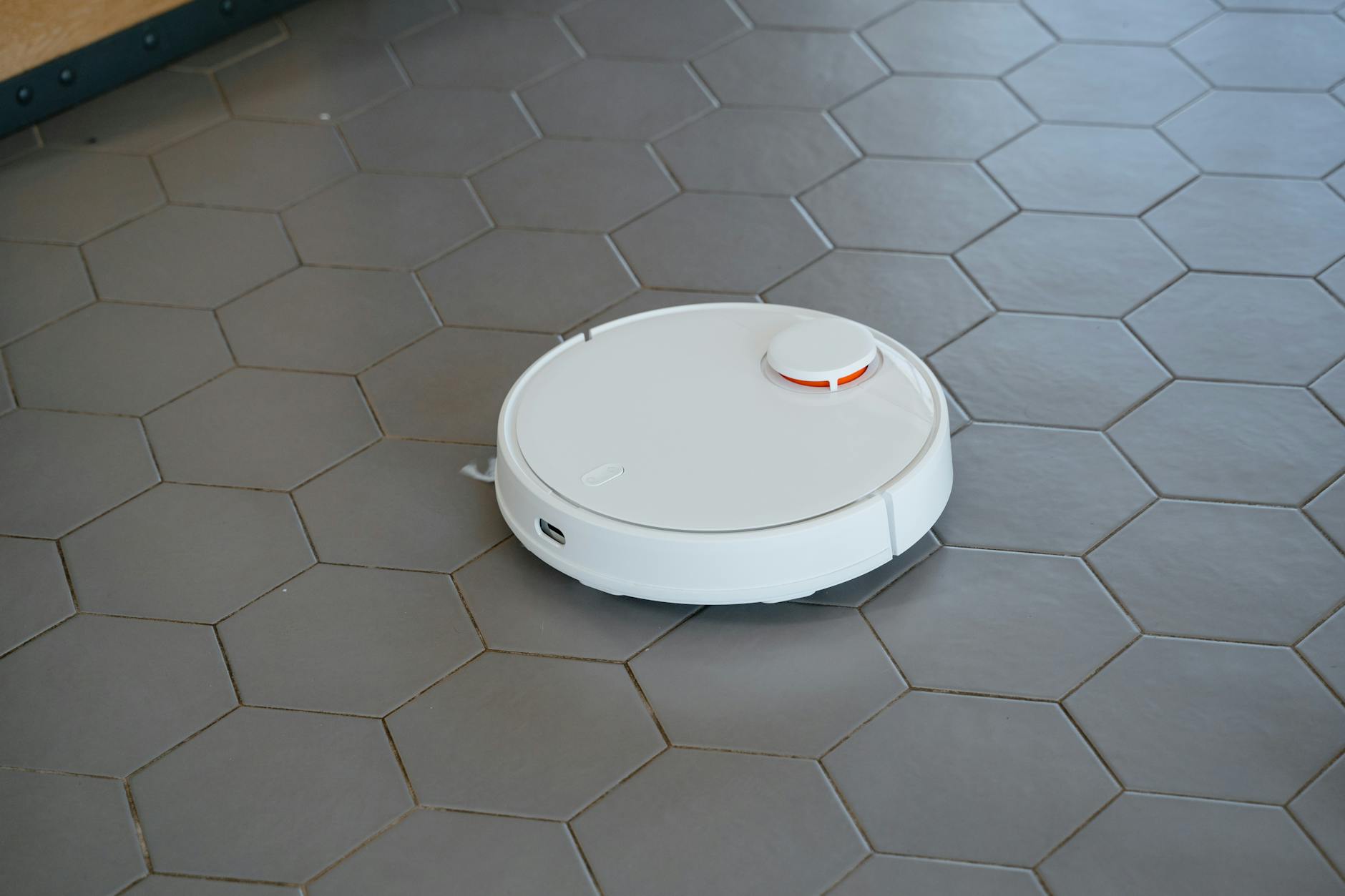
The journey of Roomba began in 2002, emerging from the innovative minds at iRobot, a company that had previously focused on military applications before venturing into consumer robotics. The first iterations were rudimentary, often crashing into walls and requiring frequent battery replacements. Yet, something about this quirky gadget captured the hearts of consumers; they named them, cherished their eccentricities, and welcomed them into their homes. By 2006, Roomba had sold over 2 million units, proving that there was a market hungry for automated cleaning solutions.
Despite its initial clumsiness, Roomba’s charm lay in its simplicity. It represented a new frontier where technology and daily chores could converge seamlessly. As the product evolved, so did its capabilities, with features like scheduling and smartphone connectivity becoming standard. By 2019, iRobot had sold over 30 million units worldwide, firmly establishing Roomba as a household name and a key player in the emerging robotics sector.
Beyond just numbers, Roomba sparked a cultural shift. No longer were robots confined to science fiction or factories; they were now part of our living rooms, designed to make life easier, albeit in small, yet meaningful ways. This pivot in perception paved the way for a plethora of other home robots, turning a simple vacuum into a harbinger of a broader robotic revolution.
Why It Matters
The rise of Roomba highlights a pivotal moment in consumer technology — the blending of practicality with emotional resonance. It not only automated cleaning but also anthropomorphized a machine, creating a bond between humans and their devices. This crucial shift laid the groundwork for the proliferation of smart home technology, where gadgets are expected to blend seamlessly into our lives, anticipating our needs and desires.
Furthermore, Roomba’s impact is felt in the wake of an increasing push towards automation in various sectors. As consumers grow accustomed to the idea of robots in their homes, industries from healthcare to logistics are contemplating or implementing similar technologies. It raises the question: what happens when humans are no longer the primary labor force? The implications of this shift are profound, intertwining technology, economics, and even societal structures.
Finally, we must consider the environmental implications of this technology. Roombas often promote the idea of efficiency and cleanliness, but also pose questions about sustainability in manufacturing and energy consumption. As we embrace automation, balancing these benefits with our ecological responsibilities becomes essential for future innovations.
Impact on Consumers
Consumers have embraced the Roomba not just as a tool, but as a lifestyle accessory that reshapes their daily routines. The convenience factor is undeniable; households with pets or children can particularly benefit from the automated cleaning process, allowing for more free time spent enjoying life rather than doing chores. However, this convenience comes with a price — both financial and ethical — that consumers need to consider.
- Rethinking Household Chores: Roomba has fundamentally changed expectations surrounding cleaning. No longer is vacuuming a tedious necessity; it becomes an automated process, leading to a mindset shift about household management.
- The Rise of Smart Integration: As consumers adopt Roomba and similar devices, they are more likely to embrace other smart home technologies, creating a fully integrated ecosystem. This can enhance connectivity but also raises concerns about data privacy and security.
- Emotional Connections to Technology: The affection people have for their Roombas indicates a growing trend towards emotional ties with everyday gadgets. This anthropomorphism pushes companies to design products that evoke affection, complicating our relationship with technology.
BuzzWeave Analysis
While Roomba may appear to be just another gadget, it represents a seismic shift in our relationship with technology. The future of robotics hinges on whether we can continue to create devices that bridge the gap between functionality and emotional engagement. As we march towards an increasingly automated world, we must ask ourselves: will we shape the technology to serve us or allow it to dictate the terms of engagement?
Moreover, the Roomba phenomenon prompts a larger question about the future of work and leisure as automation continues to infiltrate our lives. As tech advances, we may find ourselves in a society where robots handle mundane tasks, leaving us to ponder our purpose. In the end, the true revolution may not just be about robots vacuuming our floors — it’s about how we redefine what it means to be human in a world filled with machines that can do it all.
📰 Source: Read original article | Editorially rewritten and analysed by BuzzWeave.