
What Happened?
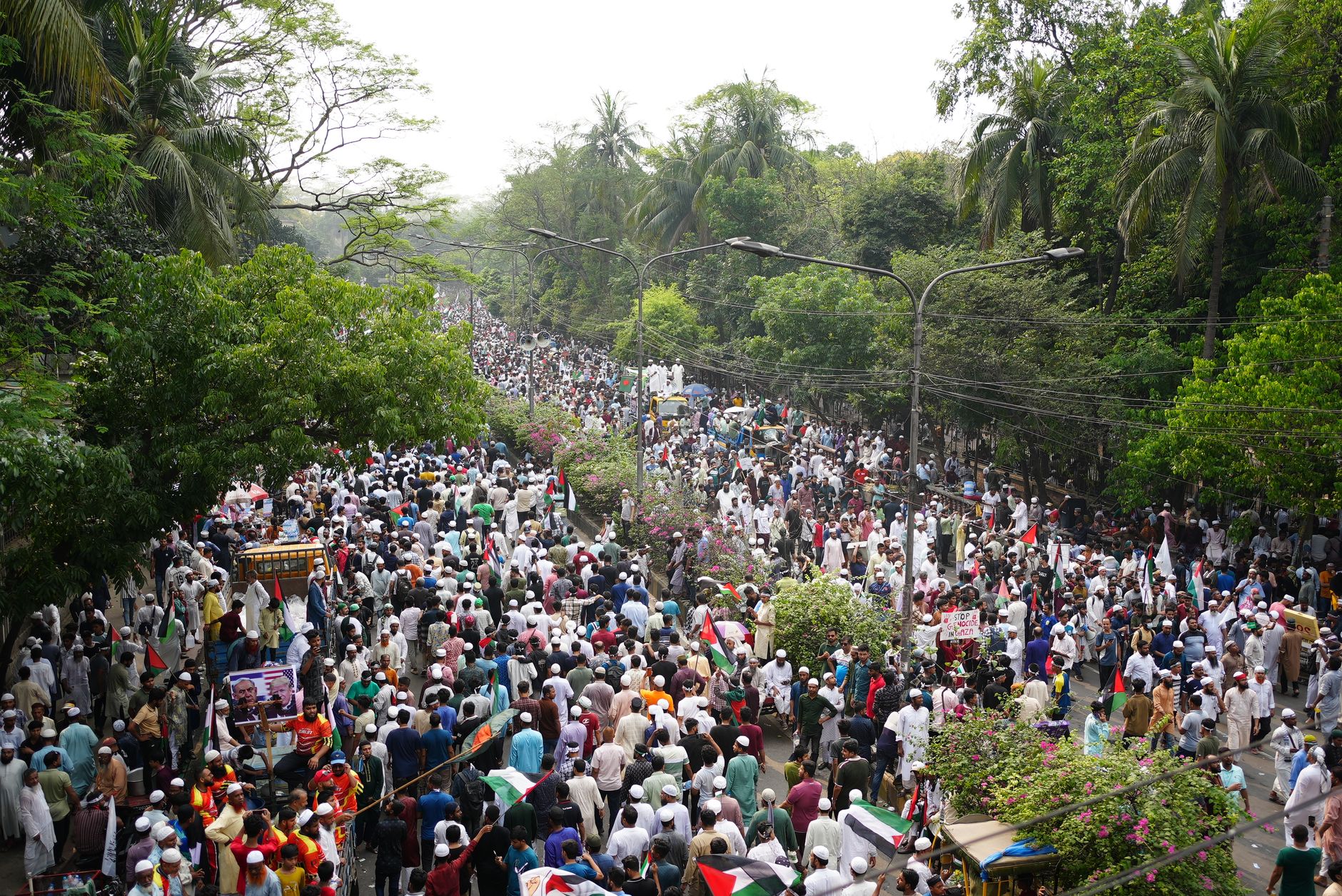
Sheikh Hasina, the long-standing Prime Minister of Bangladesh, has recently made headlines with her emphatic declaration that she will return to her country later this year, asserting, “I don’t fear death.” This bold statement comes during a period marked by both health concerns and increasing political pressure, with her leadership being challenged by opposition parties and civil unrest. Having spent significant time abroad for medical treatment, her return symbolizes resilience and determination—qualities she has embodied throughout her tenure, which began in 2009. Hasina’s comments resonate deeply within a political landscape fraught with instability. As the leader of the Awami League, she has faced ongoing protests and criticism over issues such as economic management and human rights violations. Her recent declaration is not merely a personal affirmation; it signals a strategic move to reinforce her authority and commitment to her supporters. The timing of her return could also be interpreted as a tactical response to the upcoming national elections scheduled for January 2024, where her party aims to maintain its grip on power. Many analysts are watching this situation closely, as Hasina’s health has been a subject of concern, particularly following her treatment for cancer. Her assertion of fearlessness in the face of mortality not only reflects her personal fortitude but also serves as a rallying point for her political base. In a country where political landscapes can shift rapidly, her ability to project strength may be vital for her party’s electoral prospects and the stability of her administration.
Why It Matters
The implications of Sheikh Hasina’s return extend beyond the borders of Bangladesh, contributing to the larger discourse on political leadership in developing nations. Her tenure has been marked by significant economic growth, with GDP growth rates averaging around 6-8% over the past decade, showcasing how leadership stability can directly influence national progress. However, it also brings to light ongoing concerns regarding governance and democratic practices, particularly when scrutinized by international observers and human rights organizations. As Bangladesh gears up for elections, Hasina’s return may indeed impact not only the political fabric of the nation but also its international relations. Countries that have invested heavily in Bangladesh, particularly in sectors such as garment manufacturing and technology, are monitoring the situation closely. The potential for unrest or political upheaval poses risks to both economic partnerships and foreign investments, which have become increasingly vital as the nation navigates the complexities of a post-pandemic recovery. Furthermore, her health and longevity as a leader speak volumes about the current state of political leadership in South Asia. Leaders like Hasina, who remain in power for extended periods, face scrutiny over their governance models, especially in democracies where term limits and political turnover are expected. How her return is received will likely influence a wave of similar dynamics in the region, where leadership transitions can often be tumultuous and contentious.
Impact on Consumers
For the citizens of Bangladesh, Hasina’s return could mean significant changes in both political and economic landscapes. As her government prepares for elections, policies affecting consumer prices, employment opportunities, and public services may shift significantly. The attention surrounding her health and leadership will likely impact consumer confidence and economic activity, particularly in sectors reliant on stable governance.
- As political stability is often correlated with economic growth, consumers may expect a more favorable business environment following Hasina’s return. This could lead to increased investments in local enterprises, positively affecting job availability.
- The announcement may also influence public sector initiatives, particularly in education and healthcare. Increased funding or reform may be prioritized to showcase governmental responsiveness as elections approach, impacting everyday lives.
- Lastly, consumer confidence may fluctuate based on the political climate. If Hasina’s leadership is perceived as strong and stable, it could encourage more spending and investment from citizens, while instability could lead to a cautious approach in financial commitments.
BuzzWeave Analysis
Looking ahead, Sheikh Hasina’s return presents not only challenges but also opportunities for Bangladesh. If she successfully navigates the political tides leading up to the elections, she may further solidify her legacy as a transformative leader. However, any missteps could invoke civil unrest, destabilizing the economy and altering the political landscape significantly. It’s critical to challenge the assumption that long-standing leaders can always maintain the status quo. Hasina’s case exemplifies how public sentiment can shift rapidly, driven by perceived governance failures or economic hardships. As such, the upcoming months will reveal whether her statement of fearlessness will translate into a tangible political strategy or simply echo as a hollow declaration in the face of rising dissent. In a world increasingly driven by accountability and transparency, Hasina’s leadership journey will serve as a vital case study. Her return to Bangladesh is not just a personal comeback; it’s a pivotal moment for a nation teetering between stability and change.
📰 Source: Read original article | Editorially rewritten and analysed by BuzzWeave.
Related posts:
 Strait of Hormuz Crisis: Economic Ramifications and Geopolitical Tensions
 Historic Maternity Leave in Japan Sparks Controversy
 Who Gets Left Behind in the World Cup Madness?
 Labour Party Faces Leadership Shift After Starmer Resignation
 Czech Media Independence at Risk: Staff Strike Against Government Control
 Ladakh’s Crackdown on Tourist Off-Roading: A Bold Stand for Wildlife