The Big Picture
The Czech Republic’s media landscape is currently at a crossroads, influenced by a populist government that has increasingly sought to redefine the relationship between the state and public broadcasters. Following the election of Prime Minister Andrej Babis, there has been a notable shift, characterized by a visible disdain for the independent media traditionally revered in Czech society. The proposed changes to funding structures have reignited fears reminiscent of authoritarian attempts to suppress journalistic freedom observed in neighboring countries like Hungary and Slovakia.
Public trust in media is a cornerstone of democracy, and the Czech populace has historically supported its public broadcasters, Czech Television (CT) and Czech Radio (CRo). However, as the government aims to strip away the financial autonomy of these outlets, both journalists and citizens are raising alarms. They are concerned that a budget cut to levels not seen since 2008 could lead to the erosion of independent reporting, seriously undermining the quality of journalism in the country.
The implications of government control over media funding are profound, threatening not just the operational viability of these institutions but also their editorial integrity. By shifting from a licence fee system to direct state funding, the government positions itself as an arbiter of what constitutes valuable journalism. This moment is critical, as the foundations of freedom of the press are tested amid rising populism and political polarization across Europe.

Breaking It Down
On June 21, 2026, a significant protest took place in Prague, with thousands rallying in support of public media. The following day, a one-day strike was initiated by employees of CT and CRo, marking a serious escalation in their battle against government overreach. The protests were organized in response to a cabinet decision that would fundamentally alter the funding model for public broadcasting, reducing financial support by approximately 15% and reverting to figures last seen nearly two decades ago.
Prime Minister Babis claims that this overhaul could provide a fairer system for poorer households and push public broadcasters toward greater efficiency. However, critics assert that this rationale masks a political agenda aimed at controlling narratives and stifling dissent. They fear that the proposed funding cuts will lead to significant layoffs and the cancellation of essential programs, further weakening an already beleaguered public media sector.
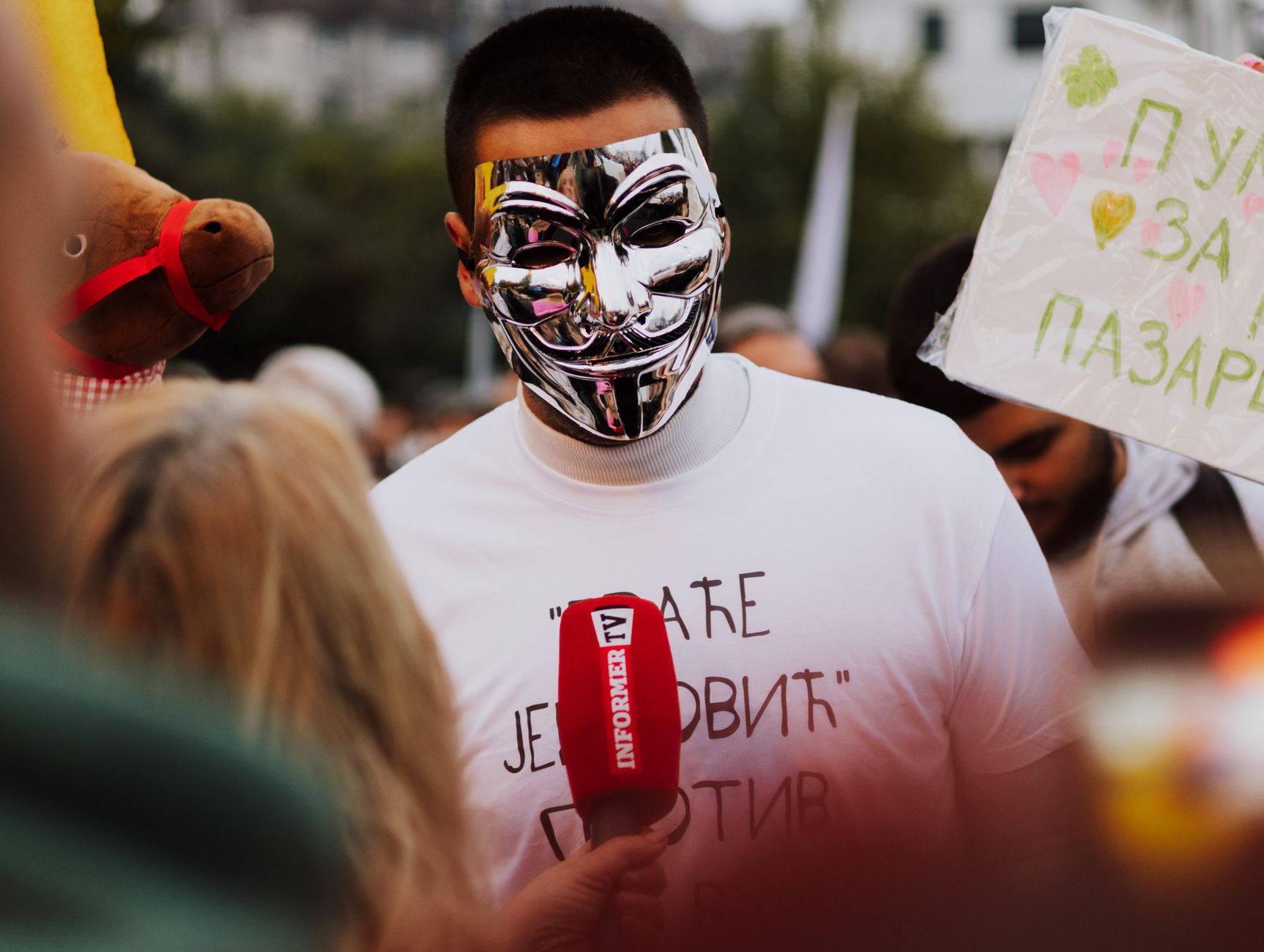
The strike saw various symbolic acts of defiance, including a minute’s delay in programming and the formation of human chains around the broadcasters’ buildings. Employees donned black attire to signify their dissent, while banners prominently stated, “We are not state media” and “Independence is no expenditure.” This collective action represents a pivotal moment for media workers fighting against government interventions that threaten their operational autonomy.
Who Is Affected?
The ramifications of this governmental policy extend well beyond the newsroom, influencing a broad spectrum of the public sphere. The potential loss of journalistic independence and quality reporting jeopardizes the citizenry’s access to unbiased information, which is crucial for informed decision-making in a democracy. Moreover, the cuts could precipitate a cultural shift away from critical journalism, undermining the role media plays in holding power to account.
- Journalists and Media Employees: The proposed funding cuts threaten job security and may lead to mass layoffs, diminishing the workforce that underpins public broadcasting. A reduction in staff could stifle the diversity of voices that are essential for balanced reporting.
- Czech Citizens: The general public stands to lose access to independent news coverage that educates and informs about crucial national and global issues. As quality journalism declines, misinformation may proliferate, leading to a poorly informed electorate.
- Democracy Advocates: Civil society organizations that promote democratic values view these developments with alarm, as they could signal a backslide in freedom of expression. The implications extend beyond media, threatening the overall health of Czech democracy.
Our Take
The strike by Czech public media employees represents a critical juncture in the ongoing struggle for media independence, reflecting a growing concern about governmental overreach in democratic societies. The proposed funding model shifts the balance of power, placing both the financial sustainability and editorial freedom of public broadcasters at risk. It is essential that the voices of the people and media workers resound, as they advocate for the preservation of their rights and the integrity of journalism.
As we observe the unfolding situation, it will be vital to monitor the government’s response to these protests and strikes. The resilience of public media in the face of adversity can often inspire similar movements in other regions grappling with threats to free speech and journalistic integrity. The Czech Republic’s battle to uphold an independent media serves as a reminder of the fragility of democracy and the ongoing necessity for vigilance against those who would seek to undermine it.
Ultimately, this moment calls for collective action and a recommitment to defending the principles of free expression and journalistic independence. The stakes are high, and the future of public media in the Czech Republic hangs in the balance.
📰 Source: Read original article | Editorially rewritten and analysed by BuzzWeave.