What Happened?
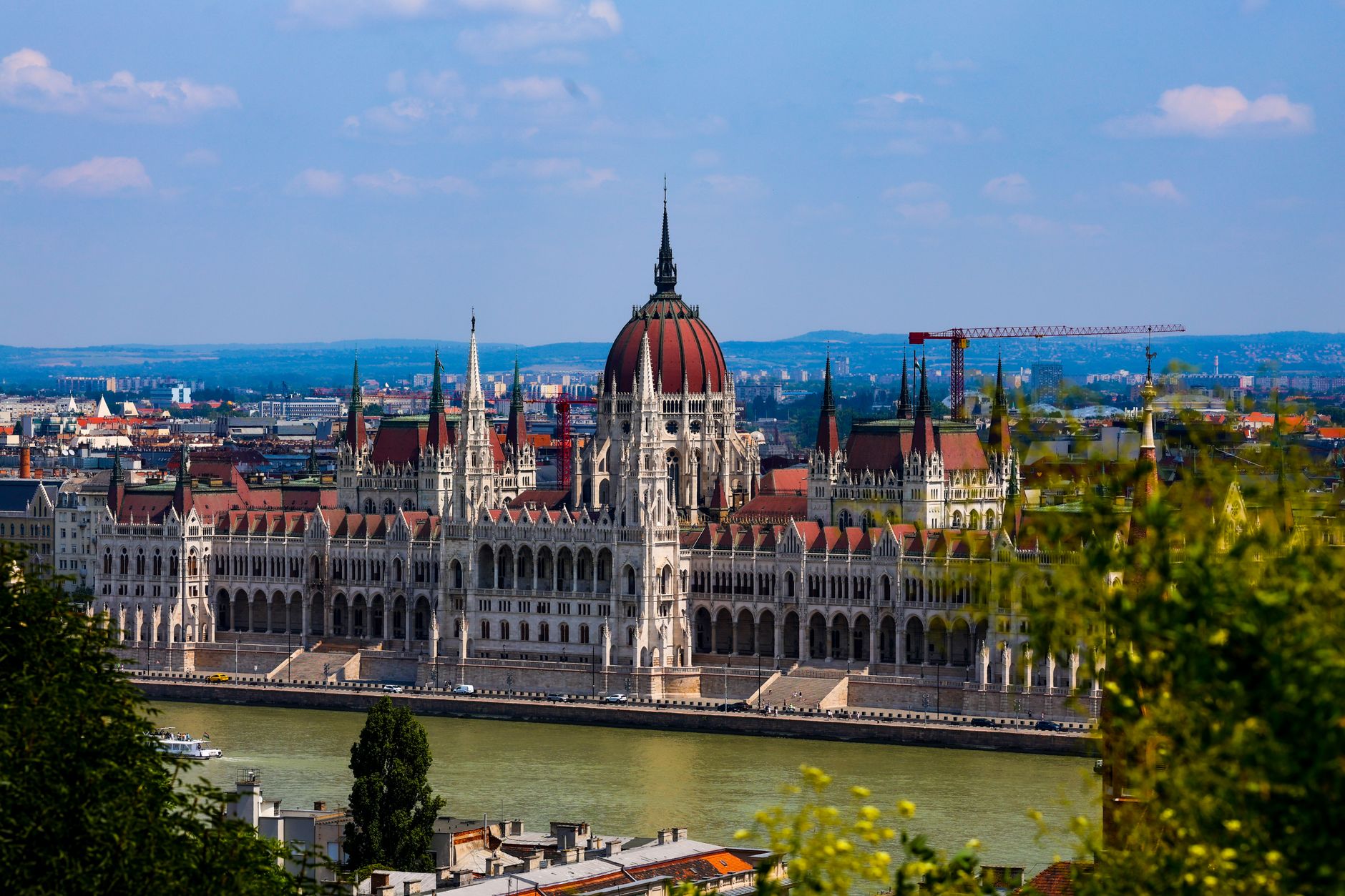
Prime Minister Peter Magyar stood before the Hungarian parliament, a determined fire in his eyes as he unveiled a comprehensive reform agenda that promises to reshape the very fabric of his country. With the weight of Orban’s 16-year reign heavy on his shoulders, Magyar announced the launch of “Operation Cleansing Fire,” a bold initiative intended to remove what he termed the “political and economic mafia” that had ensnared Hungary for over a decade. The ambitious plan includes a new constitution and the establishment of an anti-corruption office, but perhaps the most striking proposal is Magyar’s call to unseat President Tamas Sulyok, a remnant of the previous regime.
As he spoke passionately about restoring democracy and integrity to Hungary’s institutions, Magyar highlighted the profound economic impact of corruption, claiming it has cost the nation between eight to ten percent of its GDP in recent years. His proposals aim to limit the tenure of prime ministers, push out key Orban allies, and ensure that only the best investigators and law enforcement officials are tasked with the new anti-corruption mission. This monumental shift in Hungary’s political landscape comes at a time when the European Union is closely watching, as the new government seeks to unlock billions in frozen funds tied to previous rule-of-law concerns.
The parliament responded positively to Magyar’s call for change, taking swift action to pass amendments that would limit prime ministerial terms to eight years, effectively blocking Orban from returning to power. The atmosphere was charged with a sense of hope and urgency as Magyar and his government set out to right the many wrongs of the past, embarking on a challenging path toward reform and accountability.
Why It Matters
This decisive turn in Hungary’s political arena signals not just a shift in leadership, but a potential awakening for democratic principles in a nation that had long seen them eroded. Viktor Orban’s tenure was marked by increasing authoritarianism, systemic corruption, and a departure from EU values, making Magyar’s reforms not just a matter of national interest, but also a crucial test for European unity. As Hungary grapples with its identity in a post-Orban landscape, the eyes of the continent remain firmly fixed on how these reforms evolve.
The push for a new constitution and the proposed anti-corruption measures reflect a broader trend among Eastern European countries striving to break free from autocratic influences. Countries like Poland and the Czech Republic have also experienced their own political upheavals, emphasizing a rising demand for accountability and transparency in governance. Magyar’s initiative could serve as an inspiring example for other nations seeking to reclaim their democratic integrity and ensure that power is held accountable.
Furthermore, this reform agenda is tied to Hungary’s economic future, with the potential to unlock billions of euros from the EU that had been frozen due to previous violations of democratic norms. The infusion of these funds could revitalize sectors crucial for Hungary’s growth, leading to job creation and improved public services. In a world increasingly focused on the intersections of governance and economics, Magyar’s reforms hold significant implications both locally and across the broader European Union.
Impact on Consumers
For everyday Hungarians, the implications of these reforms are profound. A government dedicated to eradicating corruption could lead to more equitable economic policies, improved public services, and ultimately, a better quality of life. Consumers may soon see the benefits of a more transparent political environment that encourages fair competition and reduces the burden of corruption on their wallets.
- The establishment of a new anti-corruption office could restore public trust in government institutions, leading to a more engaged citizenry that feels empowered to participate in the democratic process. This renewed trust can foster a healthier economy as consumers feel more secure in their investments and financial decisions.
- As Hungary navigates this reform journey, there might be increased scrutiny on businesses operating within its borders, compelling them to adhere to higher standards of ethics and governance. Consumers will benefit from a marketplace that prioritizes integrity, potentially leading to fairer prices and improved product quality.
- With the unlocking of EU funds contingent on successful reforms, Hungarians may soon enjoy enhanced public services such as better healthcare, education, and infrastructure. These improvements can significantly elevate the standard of living and create a more vibrant economic landscape.
BuzzWeave Analysis
The ambitious plans set forth by Prime Minister Magyar mark a crucial turning point in Hungary’s political narrative. By challenging the status quo and addressing deep-rooted issues of corruption, he sets a precedent that could resonate across the region. As Hungary embraces the daunting task of reform, the nation stands at the precipice of a transformative era that could redefine its role within the European Union.
However, the challenge ahead is colossal. Not only does Magyar need to dismantle Orban’s extensive network of influence, but he must also cultivate a culture of accountability that permeates every level of government. If successful, Hungary could emerge as a beacon of hope amidst a resurgent wave of authoritarianism in Eastern Europe, inspiring others to pursue similar paths of reform.
As the world watches, the test for Magyar will lie in his ability to maintain momentum without faltering under the pressure of political resistance. The stakes are high, and the hope for a new Hungary hangs in the balance. Will this be the dawn of a brighter, more accountable future, or will the shadows of the past continue to loom large?
📰 Source: Read original article | Editorially rewritten and analysed by BuzzWeave.