
What You Need to Know
Syria, still grappling with the aftermath of a brutal civil war, stands at a crossroads, where external pressures clash with internal realities. President Trump’s unusual proposal for Syria to confront Hezbollah has been met with skepticism from Syrian citizens, who fear the repercussions of being drawn into yet another conflict. Residents argue that their nation should focus on rebuilding and stabilizing rather than entering a volatile regional fray that could ignite further tensions.
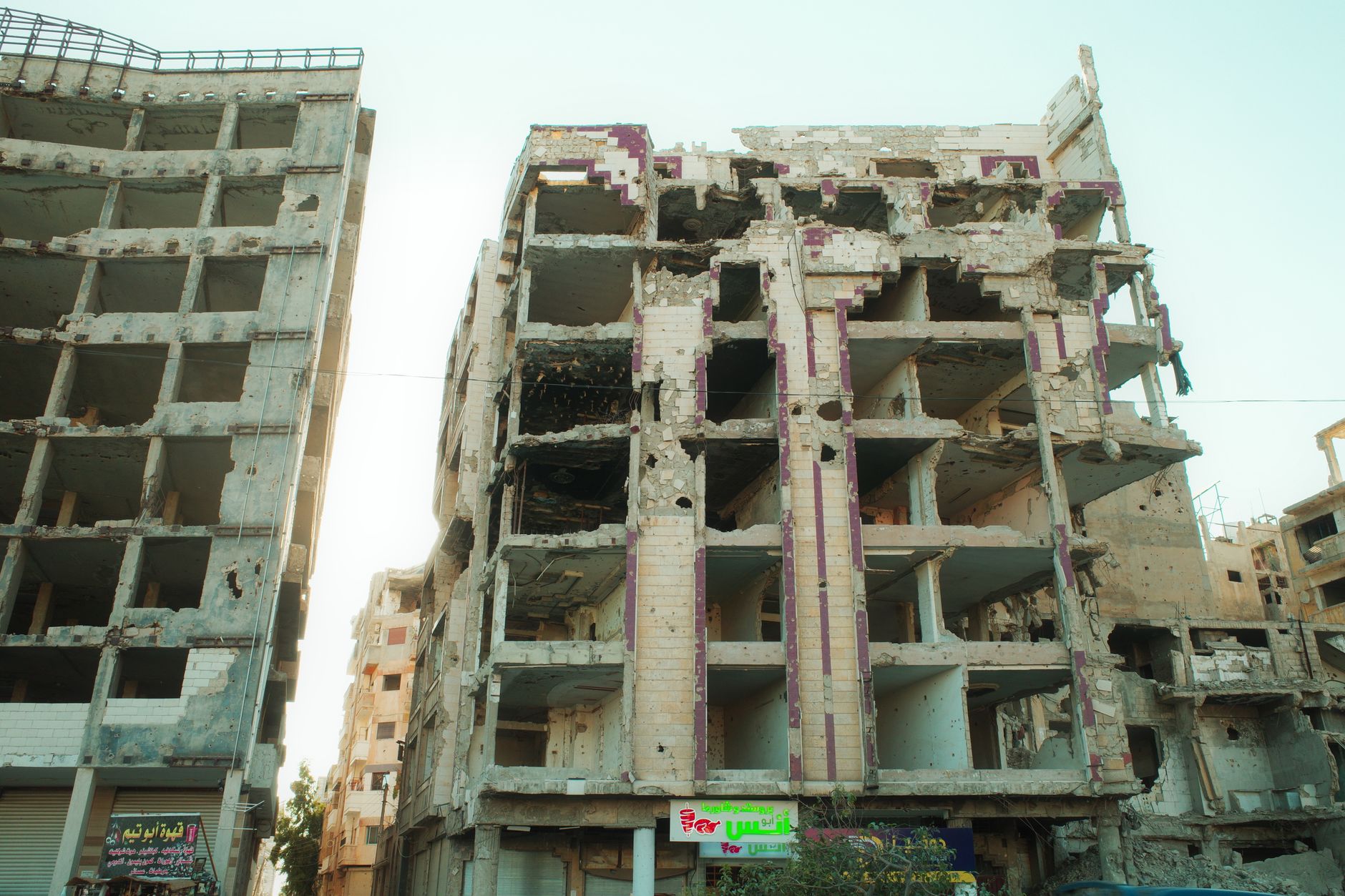
Despite the tumultuous history between Syria and Hezbollah, the current sentiment among Syrians is one of wariness, not aggression. They are aware that any military engagement could lead to disastrous consequences, especially considering their recent experiences with foreign interventions and internal strife. The suggestion from Trump, while seemingly strategic, appears detached from the lived realities of the Syrian populace, who have endured a decade of instability.
The Full Story
To understand this rejection, we must look back at the complex relationship between Syria, Hezbollah, and the broader geopolitical landscape. Hezbollah, an influential Shiite militant group, has historically been both an ally and a point of contention for the Syrian state, particularly during the Lebanese Civil War. With Syria’s recent victory in the civil war and its struggle for reconstruction, the last thing the government wants is to escalate tensions with neighboring Lebanon.
Trump’s comments come against the backdrop of increased U.S. pressure on Iran and its allies in the region, underscoring a strategy aimed at countering Iranian influence. However, this simplistic view overlooks the nuanced realities of the Syrian crisis, where citizens have borne the brunt of regional hostilities. Now, with the country still reeling from war, the idea of regional confrontation is as unwelcome as it is unrealistic for many Syrians.
What Changes Now?
The rejection of Trump’s call signifies a pivotal shift in how Syrians view external influences in their domestic affairs. It indicates a growing desire for self-determination and a pushback against foreign meddling in their politics. This also reveals a nuanced understanding among the populace about the implications of military engagements that could lead to further chaos.
- Strengthened National Sovereignty: By rebuffing foreign advice, Syrians are asserting their right to govern without external interference, a crucial step toward rebuilding national pride and identity. This desire for autonomy has been a recurring theme since the civil war, emphasizing that peace must come from within.
- Shifting Regional Dynamics: This incident highlights a potential fracture in alliances as countries like the U.S. grapple with the complexities of Middle Eastern politics. As Syrians prioritize stability, it may prompt a reevaluation of how foreign powers approach the region, possibly leading to less interventionist tactics.
- Increased Focus on Domestic Rebuilding: The rejection emphasizes the urgent need for the Syrian government to address internal issues rather than engage in external conflicts. This shift could catalyze more effective governance strategies focused on healing and reconstruction, which are essential for long-term stability.
Final Word
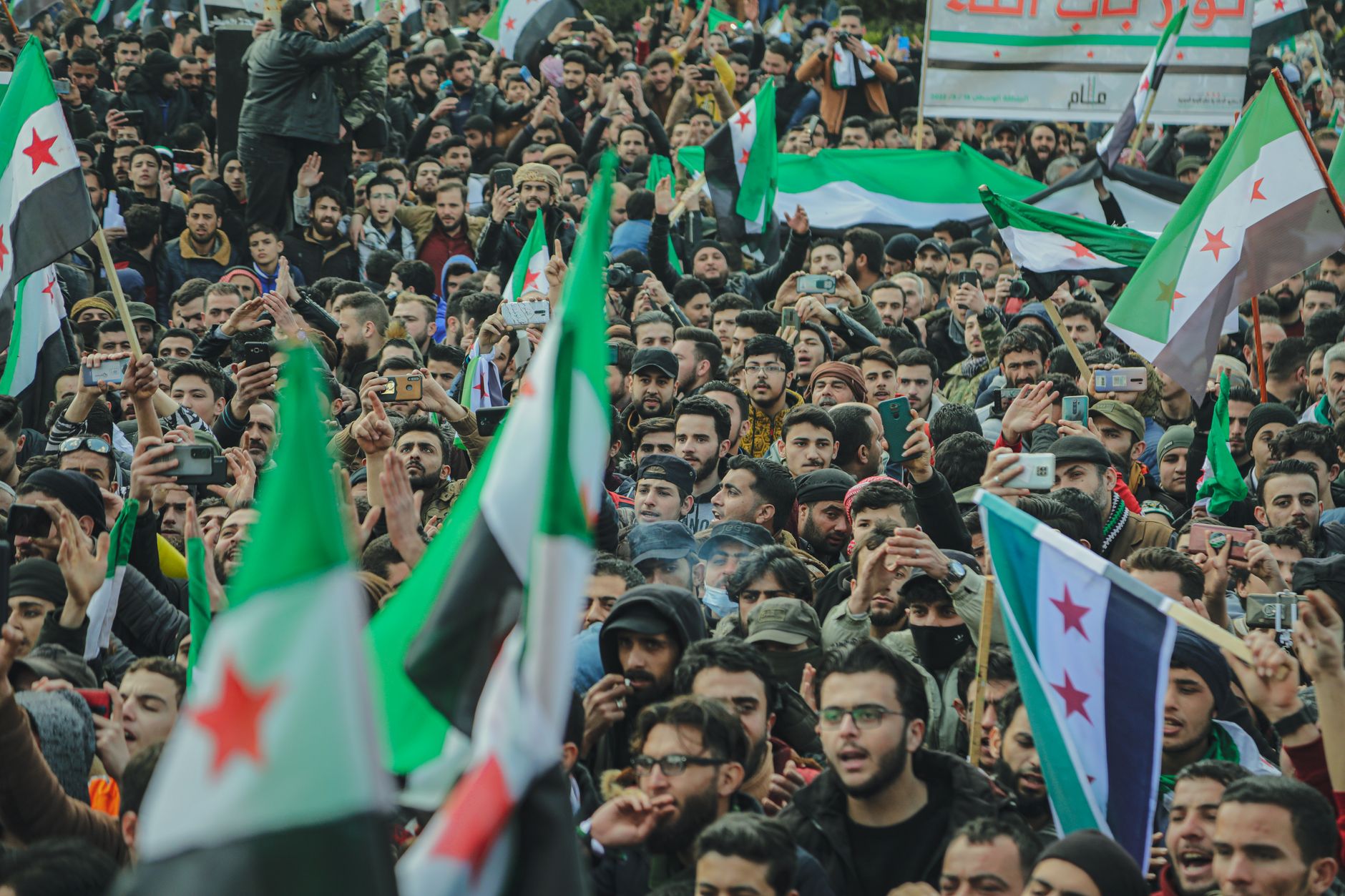
The dismissal of Trump’s proposal is more than mere rhetoric; it’s a powerful statement from a weary population. Syrians, having seen the devastation wrought by foreign wars, are craving a return to normalcy and national integrity. They are not interested in becoming pawns in a geopolitical chess game where the stakes are too high and the rewards too nebulous.
This moment represents a broader awakening in the Arab world, where citizens are increasingly rejecting the narrative imposed by external powers. As the dust settles from years of conflict, it is the voices of the people that will ultimately define the future—one that seeks peace, stability, and sovereignty over war and chaos. Syria’s path forward will be dictated by its own citizens, not distant leaders with their own agendas. Remember, true peace cannot be brokered from afar; it must be built from the ground up, by those who know the cost of conflict all too well.
📰 Source: Read original article | Editorially rewritten and analysed by BuzzWeave.